When the drifts pile up and temps hover around 20, homeowners across the northern half of the country start typing "melt snow roof" into their search bars. I get it. After 14 years leading crews on roofs in January, I've seen what a 3-foot snow load can do to a roofline. I've also seen what a homeowner with a pickaxe can do to a perfectly good architectural shingle.
The good news: you don't need to turn your whole roof into a warm parking lot. You just need to clear the right spots, in the right order, with the right tools. Here's the approach that works on Minnesota ice dams and New England snow piles alike.
Why You Shouldn't Ignore Snow Load (or Start Hacking at It)
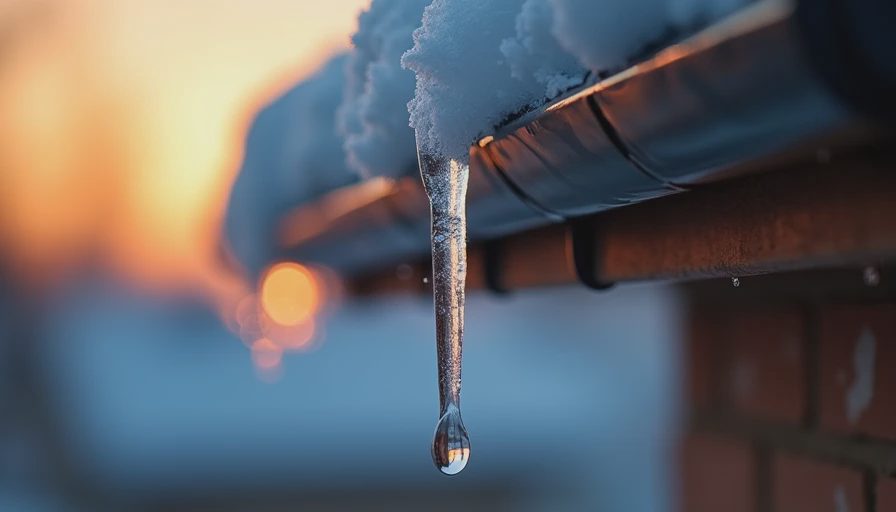
A roof system is designed to hold snow. Most modern roofs in cold climates handle about 20 to 30 pounds per square foot of dead load. But that's not the real enemy. The enemy is the freeze-thaw cycle. When your attic is warm, it melts snow from below. The water runs down to the cold eaves, freezes, and forms an ice dam. That dam backs water up under the shingles.
This is exactly why a flat roof with a foot of snow can leak through the ceiling, and why a steep roof might not. The pitch doesn't matter as much as the insulation. I've been on a roof in Edina where the homeowner had perfect ventilation but a 2-inch gap in the attic bypass. That house leaked at the entryway.
So when you decide to melt snow roof ice, you're not just playing with water. You're managing a physics problem. The fix starts inside the house, but the emergency fix is out on the roof.
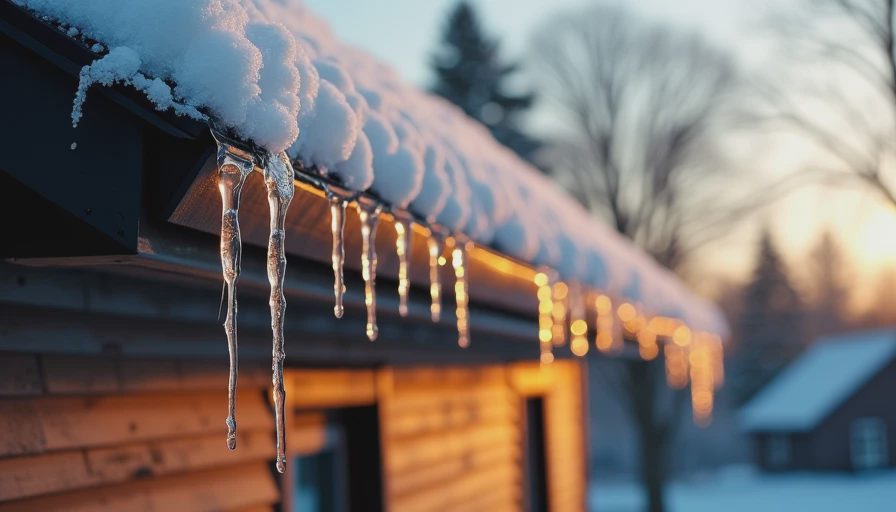
The Fastest Safe Way to Melt Snow Roof Problem Spots
The least risky way to handle an ice dam is to break up the dam where it's doing damage, not the whole roof. You don't need to strip every shingle—just create channels for water to escape.
Here's a step-by-step that works:
Use a plastic roof rake with a telescoping handle. Start at the edge and pull straight down. Never raise the blade above your head. If you scrape shingles, you'll lose granules. That shortens the roof's life.
Once you get the bottom 3 feet clear, look for visible ice. If there's a thick dam sitting off the gutter, that's where you need to act. A heat cable is the proper tool. But for an immediate fix, a calcium chloride ice melt (with a label that says "safe for roofs") can work. Fill a nylon stocking or pantyhose leg with the crystals, tie it off, and lay it across the dam horizontally. The melt will bore through the ice and carve a channel.
I've done this on a 2-story colonial in Duluth and it let the water drain in about 40 minutes. Don't use rock salt (sodium chloride). It corrodes fasteners, ruins copper flashing, and eventually stains walkways. I've seen it wreck a set of gutter hangers within one winter.
Heat Cables: Do They Actually Melt Snow Roof Ice?
Heat cable is the long-term tool for a specific job: keeping the eaves and valleys clear. I've installed brands like EasyHeat and Frost King on dozens of houses. A good cable will melt snow roof ice at the rate of roughly six inches per hour on a 20-degree day. It won't melt through a 10-inch dam on the first pass, so you install it in a zigzag pattern before the snow flies.
Here's the catch. A heat cable is useless if your attic is still pumping warm air up there. I've seen roofs with 200 feet of cable and six-foot icicles because the owner never addressed the attic bypass. Run the cable, but also seal the attic hatches, recessed lights, and plumbing vents. That combo works.
When you buy heat cable, pay attention to length and footage. A 200-square-foot eave might need 100 to 150 feet of cable, depending on the zigzag spacing. Don't buy the cheapest off brand. The connections in bargain cables are usually compression clamp, and they fail under ice expansion. Spend an extra $40 on a cable with molded plug ends.
When to Call a Pro for Snow Removal
Sometimes the best way to melt snow roof is to not be on the roof at all. If the snow depth exceeds 18 inches, or if there's a frozen gutter, or if the roof pitch is steep enough that you feel the slope in your knees, call a roofing contractor or a snow removal crew.
A professional should use a roof shovel with a rolling edge, not a spud bar. They should mark the ridge path to avoid repeated foot traffic. They might also use a portable steam machine to melt snow roof ice without damaging shingles. Steam is the only method that works on fully icened valleys without lifting shingles. It's also the only method that won't strip granules.
Expect to pay $300 to $600 for a typical two-story house with ice dams. That's less than a leak repair. I've been called in to fix shingles after a well-meaning homeowner used a gas-powered blower on the roof. That pulled the granules off in a third of the roof. Don't be that homeowner.
What Not to Use on a Snow Roof
A few times each winter I get a call from someone who thought they'd save money by using an electric chipping hammer or a blowtorch on their roof. Please don't. A torch on asphalt shingles is an insurance claim waiting to happen, especially around flashing. And a chipping hammer can crack the sheathing, which leads to a sagging spot you'll notice in spring.
Instead, stick with the tools I listed above. If you need to clear snow after a deep storm, the roof rake comes first. Heat cable goes on before the storm. Chemical channels go on the ice, not the shingles. Follow that order and the roof will be waiting for you in the spring.
A Simple Winter Roof Maintenance Checklist
Here's what you should actually do each winter so "melt snow roof" only comes up when you're planning, not panicking: Inspect your attic insulation and ventilation in November. Target R-49 or better, and make sure soffit vents aren't blocked. Buy a plastic roof rake with an extension handle before the first storm. Store it near the garage door. Clear 3 feet from the eave after every snowfall over 6 inches. Use the rake, not a ladder. Check your gutters. If they're full of leaves, snow melt has nowhere to go and will back up behind the shingles. And if you have ice dam history, install a water-and-ice shield membrane like GAF WeatherWatch or Grace Ice & Water Shield along the eaves and valleys during your next reroof.
That last point is the real answer. A house with proper attic sealing and a self-adhering membrane at the eaves can basically ignore snow. I've seen it work on a house that had icicles every year for a decade. After a reroof with the right underlayment, the interior stayed dry.
Pay attention to the details and you won't have to think about ice dams all winter. And if you do have to deal with a dam mid-blizzard, now you know the difference between a channel cut and a disaster.
Stay warm. Stay dry. — Dean




No notes on this sheet yet.