If you've been told your roof is at the end of its life, you're probably weighing a repair against replacing entire roof. Most homeowners are. Here's the rule I used after 14 years on roofs: once the shingles are curling, the granules are gone, or you've patched more than two spots, a full tear-off beats another patch. Let me walk you through what it really costs, how the job should go, and the contractor traps I've seen in the Twin Cities.
Why Patching It Is Usually the Wrong Move
A roof fails from the edges first: a curling shingle tab, a popped nail, then a leak at a valley or chimney. Each repair buys you a few months, but the surrounding shingles are still aging. I remember a house in Edina where the homeowner patched the same roof four times in three years. By the time I saw it, the decking underneath was water-stained and starting to rot. That $4,000 in patches should have been a $9,000 replacement. When you're replacing entire roof, you also get the chance to fix damaged decking, missing step flashing, and cracked pipe boots. A patch fixes none of that.
What a Full Tear-Off Actually Costs
For an average 1,800-square-foot ranch with a simple 6/12 pitch, a full tear-off and re-roof with architectural asphalt shingles runs $9,000 to $14,000 installed. Add new decking, ice and water shield in the valleys and eaves, and upgraded ridge venting, and you'll be closer to $16,000. If you're replacing entire roof on a steep two-story colonial with lots of penetrations, budget $15,000 to $20,000. That might feel like a lot, but break it down. A good crew spends two days tearing off and two days installing, so you're paying for 16 to 20 labor hours per person plus materials. GAF Timberline HDZ, Owens Corning Duration, and CertainTeed Landmark are the three brands I installed most. They're all good, but prices differ by as much as 15% depending on your distributor and the season.
Three Layers Is Rock Bottom, Not a Bargain
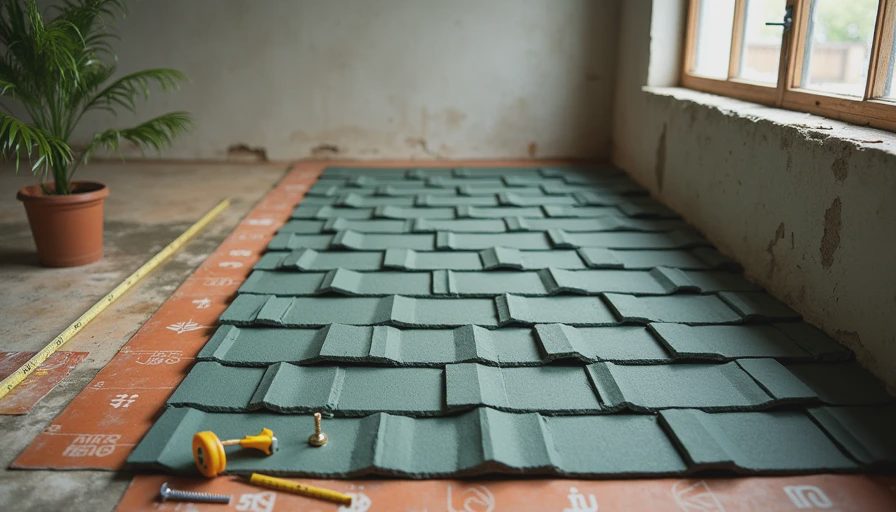
Some contractors will quote you a layover, putting new shingles on top of old ones. Most codes allow up to two layers, but I've torn off roofs with three, four, even five layers underneath. Every extra layer traps heat and hides rot. If you're replacing entire roof, go all the way down to the deck. A layover makes future repairs impossible and adds weight your house wasn't designed for. I've seen rafters sag under three layers of heavy architectural shingles. When I do a tear-off, I want to see bare plywood. That gives me a chance to replace soft spots and check the flashing around chimneys and skylights. If your contractor isn't planning on decking inspection, call someone else.
Choose the Shingle That Fits Your Home and Your Wallet
The cheapest 3-tab shingle saves money upfront, but it will cost you more in the long run. Skip 3-tab and go straight to architectural shingles. They cost about 10% more and last 20 to 30 years instead of 15. For roughly $200 to $400 more per square, you get a thicker shingle that sheds wind better and looks more substantial from the curb. If you're in a hail belt, look at Class 4 impact-resistant shingles from Malarkey or GAF. Many insurance companies offer a discount, and the premium is usually $300 to $600 per square over standard architectural. That's not for everyone, but if you've already replaced one roof because of hail, it's worth the money.
The Tear-Off Checklist: What a Good Crew Does
Here's the order I used on every job. Tarp the yard and protect the landscaping before the first shingle comes off. Remove the old shingles, underlayment, and flashing down to the deck. Replace any rotted decking with the same thickness of plywood or OSB. Install new drip edge along the eaves and rakes. Lay ice and water shield at the eaves, valleys, and around any penetrations. Install synthetic underlayment over the whole deck. Nail the new shingles with the right nail length, usually 1 1/4 inches, and follow the nail pattern on the bundle. Install new pipe boots, ridge vents, and cap shingles. Magnet-sweep the yard and driveway to pick up every nail. That last step is how I filled my mistake bucket with nails I found in my own yard.
Red Flags on a Roof Estimate
Not all roofers are crooks, but some have learned how to sound good. Look for a written bid with line items for materials, labor, tear-off, decking, and cleanup. If a bid just says total with no detail, ask for more. Get a real company address, local phone number, and proof of workers' comp and liability insurance. Those are not optional. A manufacturer's certification like GAF Master Elite or Owens Corning Preferred Contractor means they've passed a background check and can offer longer warranties. One more flag: a roofer who says you need a full replacement when only a small section is failing. A second opinion is worth the $150 inspection fee. But if the shingles are 18 years old and the granules are washing down the gutter, the second opinion will probably agree with replacing entire roof.
The Bottom Line: Plan the Whole Job, Not Just the Shingles
Replacing entire roof is a big project, but it's one of the best investments you can make in your home. A new roof protects everything below it, and it usually gives you back 60% or more of what you paid when you sell. The key is planning. Check the condition of your decking, pick a shingle that matches your climate, and hire a crew that treats your yard like their own. Some things you call a guy for. Roof replacement is one of them. But you should know what you're paying for before you write the check. I've been on that roof. Let me save you the trip. Stay warm. Stay dry. — Dean




No notes on this sheet yet.