Last January I climbed onto a roof in Edina that had a three-foot ice dam hanging off the eaves. The homeowner had already called two roofers, and both said the same thing: “You need a metal roof.” But if you're looking into ice dam prevention metal roof options, I want to tell you what I know after 14 years on ladders: a metal roof helps, but it's not a magic fix. You can't just slap on steel and forget about the attic.
What Causes Ice Dams in the First Place
Ice dams happen when your attic runs warmer than the outdoor air. Snow on the upper part of the roof melts, runs down under the snow, and hits the cold eaves, where it refreezes. Then the dam grows, and water backs up behind it, working its way under the shingles and into your house. The usual culprits are poor insulation, bad ventilation, and exhaust fans dumping warm air into the attic. I've seen it in new houses too, not just old ones.
Why a Metal Roof Changes the Equation
A standing seam metal roof is a different animal. It's made of big steel panels with a slippery painted surface, so snow slides off in slabs instead of melting slowly. That means there's less snow sitting on the roof to feed a dam. And because the panels lock together at the seams, there's nowhere near as many places for water to back up and sneak through. That's the good news.
But here's what most roofers won't tell you: a metal roof can still make ice dams worse if your attic is hot. The metal gets warm, melts snow at the bottom edge, and then that meltwater refreezes at the cold gutter line. I've pulled off metal roofs with ice buildup behind the gutters that bent the gutter off the fascia. So the roof material alone isn't the whole answer.
What About Snow Guards and Heat Cables?
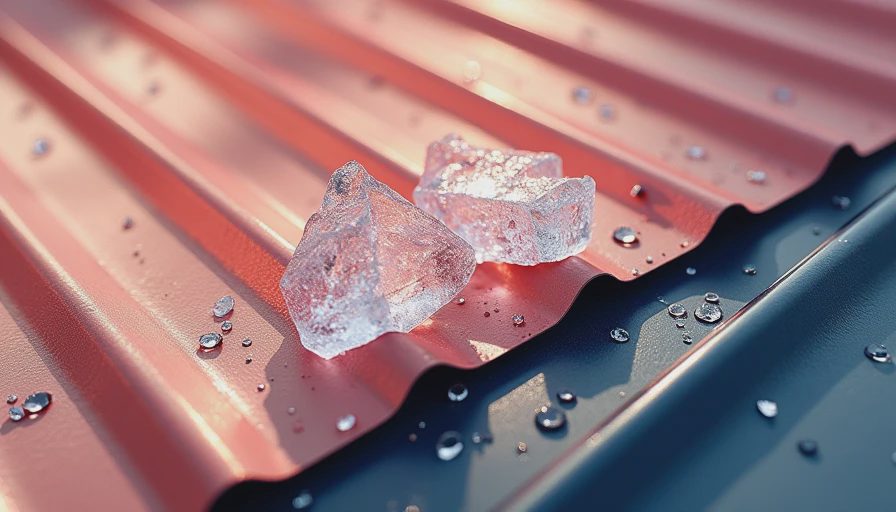
You'll hear a lot about snow guards on metal roofs. Snow guards are little brackets or strips that catch the snow so it doesn't slide off in one giant slab. They're necessary if you have walkways or a front door below. Otherwise a sheet of ice and snow can crush a bush. But snow guards don't help with ice dams. In fact, they can hold snow at the eaves and actually make a dam worse. So skip them unless you have a real safety issue.
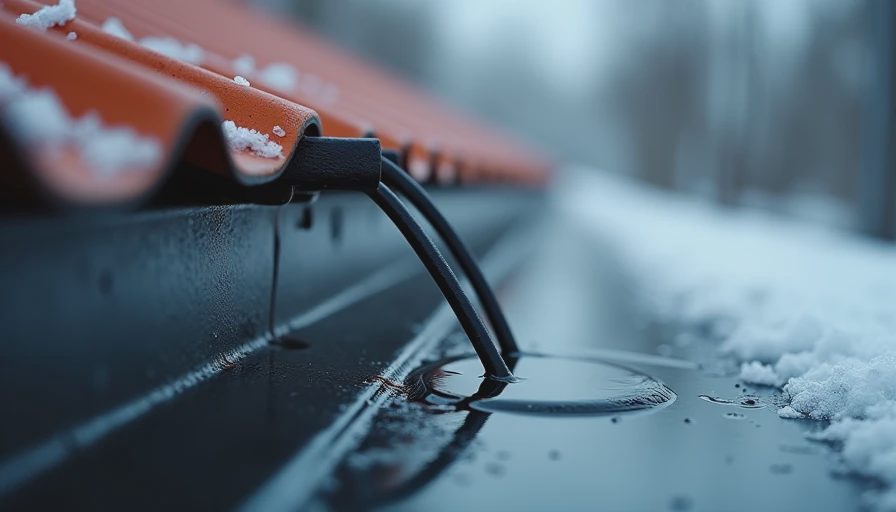
Heat cables are another band-aid. You run them along the eaves and down the gutters to melt channels for water. They work, but they cost electricity and rely on you turning them on before a storm. I've seen $500 worth of cables fail because ice formed above the line. Heat cables are a bridge to a real fix, not a replacement for it.
Metal Roof Ice Dam Prevention Is Not Automatic
When people ask about ice dam prevention metal roof combos, I tell them the roof is only half the job. The other half is in the attic. You need two things: a cold roof and a clear path for snow to slide.
First, seal every hole between the living space and the attic. That means recessed lights, plumbing stacks, electrical wires, and the hatch. Then add insulation to hit R-49. Second, ensure continuous airflow from the soffits up to the ridge. Use baffles to keep the insulation from blocking the vent path. On a metal roof, you also want a high-temperature ice and water shield in the valleys and along the eaves. Standard asphalt-compatible underlayment can blister or soften under a hot metal roof. I use Grace Ice & Water Shield HT, but any high-temp rated product will do.
What It Costs to Set Up a Metal Roof for Winter
Let's talk dollars, because that's what most people care about. A standing seam metal roof runs between $9 and $14 per square foot installed, depending on gauge and finish. For an average 2,000-square-foot house, that's $18,000 to $28,000. A high-end metal roof can push $40,000. That's four to five times what you'd pay for architectural shingles.
The attic work adds another chunk. Sealing and air-sealing a typical attic runs $2,000 to $4,000. Adding insulation to R-49 costs $1.50 to $3.50 per square foot. Ventilation upgrades run $800 to $2,000. And the high-temp ice barrier adds about $1.50 per square foot along the eaves.
So a full package — metal roof plus attic fixes — can easily land in the $25,000 to $45,000 range. That's a real chunk of change. But if it stops the leaks, it's a lot cheaper than water damage to your ceilings, walls, and insulation.
The Bottom Line: Is a Metal Roof Worth It?
I've installed both shingle and metal roofs, and I'll give you my honest take. If your attic is already sealed and vented, a standing seam metal roof is the best chance you have at an ice-dam-free winter that lasts 40 years. It sheds snow, sheds rain, and won't rot or split. But if you skip the attic work, you're buying an expensive roof that can still dam up. The truth is, ice dam prevention metal roof installation only works if you fix the root cause of the heat loss.
So before you sign a contract, have a roofer or an insulation contractor do a blower door test and inspect the attic. Get a quote for the attic work separately. Then decide whether the metal roof is worth the upgrade. For many homeowners with a low roof pitch and big trees, a well-vented shingle roof with a high-temp ice barrier will handle winter fine. For everyone else, a metal roof plus a cold attic is the way to go.
Stay warm. Stay dry. — Dean



No notes on this sheet yet.