Melting Ice on a Roof: What Every Homeowner Should Know
I stood on a roof in Edina last January, watching a homeowner point at a row of icicles hanging off the gutter. He thought they were pretty. But melting ice on a roof is a warning sign, not a decoration. When that water refreezes at the eaves, it forms an ice dam, and the next thing you know there's water dripping through the ceiling. A few days later, that same house called me back for a leak repair. Between the roof rake, the insulation, and the ventilation, there's a lot you can do long before it gets to that point. Let's talk about what actually works.
Why Melting Ice on a Roof Creates Ice Dams
The physics is simple. Warm air from your house leaks into the attic, usually through gaps around ductwork, recessed lights, or an access hatch. That warm air heats the underside of the roof deck, which melts the snow on top. The water runs down the slope, and when it reaches the overhang—which stays cold because it's outside the heated space—it freezes again. Over a few days, that freezing water builds into a mound of ice under the shingles. That's an ice dam. Meltwater from above backs up behind it, and it pushes water up under the shingles and into the house.
I've seen this damage on hundreds of homes across the Twin Cities. The worst part is, you don't notice it until the water finds a seam in the ceiling. By then, you're looking at stained drywall, wet insulation, and sometimes a sagging roof sheathing. A simple ice dam repair might run $200 to $500 if you catch it early. If it's been going on for weeks, you could be staring at a $2,000 interior repair bill. So the sooner you deal with the melting ice, the cheaper the lesson.

The Quick Fix: Rake the Roof and Break the Cycle
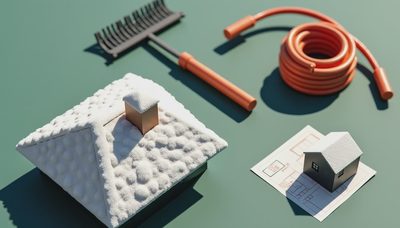
The cheapest tool in the fight against ice dams is a roof rake. This is a long-handled aluminum rake with a flat blade, and you stand on the ground and pull the snow down. You don't have to get the roof perfectly clean—just clear the bottom three to four feet of snow off the overhang. That gives meltwater a place to drain off instead of pooling against ice at the edge. A decent roof rake costs around $60 to $150 at a hardware store. I've used the Avalanche brand with good results, and the $30 knockoffs work fine for a one-story house.
There's a trick to it. Use a plastic blade, not metal, so you don't grind granules off your shingles. And rake while the snow is fresh, before it turns to ice. If the snow has already melted and refrozen into a crust, the rake won't do much. That's why it pays to stay ahead of the storm, especially in a winter like Minnesota's.
The Real Fix: Stop the Warm Air Leak
Raking snow is just a Band-Aid. The real fix is to stop the warm air from melting the snow in the first place. That starts in the attic. Check for gaps around light fixtures, HVAC penetrations, and the access hatch. Sealing those gaps with spray foam and weatherstripping is a weekend project that costs maybe $50 in material. After that, make sure you have enough insulation. In Minnesota, that usually means R-49 or more—about 16 to 20 inches of fiberglass or cellulose.
Ventilation matters too. I've seen perfectly insulated attics still get ice dams because the ridge vents were blocked. Your attic needs balanced airflow from the soffit up to the ridge, so cold outside air keeps the roof deck cold and stops the melting cycle. If your soffit vents are buried in insulation, pull that back. This is the kind of work that makes the difference between a dry home and a wet one.

What to Do If Water Is Already Coming Through
If you're reading this with a bucket under a drip, here's the emergency move. Clear the snow off the roof as fast as you can, even just the bottom few feet. Then create a channel for the water to escape by filling a pair of pantyhose with calcium chloride—that's the same stuff in driveway de-icer—and laying it across the ice dam vertically. It melts a path through the ice without damaging the shingles like an ice pick would. No, salt won't work; it destroys shingles and corrodes the metal.
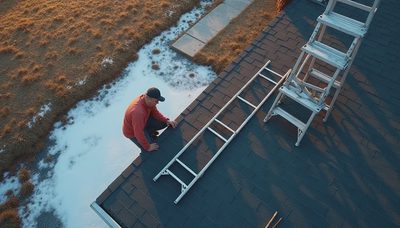
I've also seen homeowners use a heat cable, but that's a temporary fix. The real problem is the temperature imbalance between the warm roof and the cold eaves. And please don't get on the ladder to chip ice. I've patched roofs after a lot of trips to urgent care. That's not a job for DIY, unless you love hospital bills.
When to Call a Pro for Melting Ice on a Roof
Let's be honest: some things you call a guy for. If you're seeing water stains on the ceiling, sagging drywall, or ice buildup that's been there for weeks, it's time to get a professional. A good roofing contractor will inspect the attic, point out the air leaks, and give you a plan that covers sealing, insulation, and ventilation. Expect to pay $300 to $800 for a thorough attic inspection and a written estimate. Compare that to a $5,000 insurance claim for a roof sheathing replacement, and it's cheap peace of mind.
I've been doing this for 14 years, and I'll tell you straight: most ice dam damage is preventable. The biggest mistake I see is ignoring the melting ice on a roof until it becomes a puddle in the living room. A little preventive work in the fall can save you thousands by February. Get a roof rake, seal your attic, and don't wait for the drip.



No notes on this sheet yet.