My Last Roof Tear-Off as a Contractor
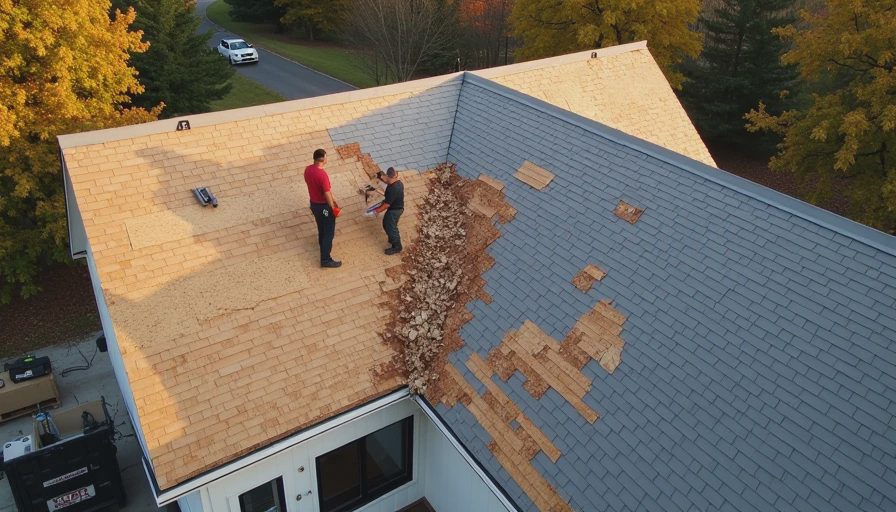
It was a crisp fall day in 2023. A 1990s two-story colonial in the suburbs. Three layers of old shingles that should have been torn off years ago. I decided this would be one of my last big jobs before shifting focus to writing.
I took photos throughout the day because I wanted to show people what this work actually involves — not the pretty before-and-after shots you usually see.
I've been on that roof. Let me save you the trip.
What a Proper Tear-Off Looks Like
Stage 1: Stripping the Old Layers
We started early. The crew pulled off three layers of shingles, old felt paper, and years of accumulated debris. The dumpster filled up fast. Underneath we found some soft sheathing that needed replacement — exactly why overlays are a bad idea in our climate.
Stage 2: Deck Inspection and Repairs
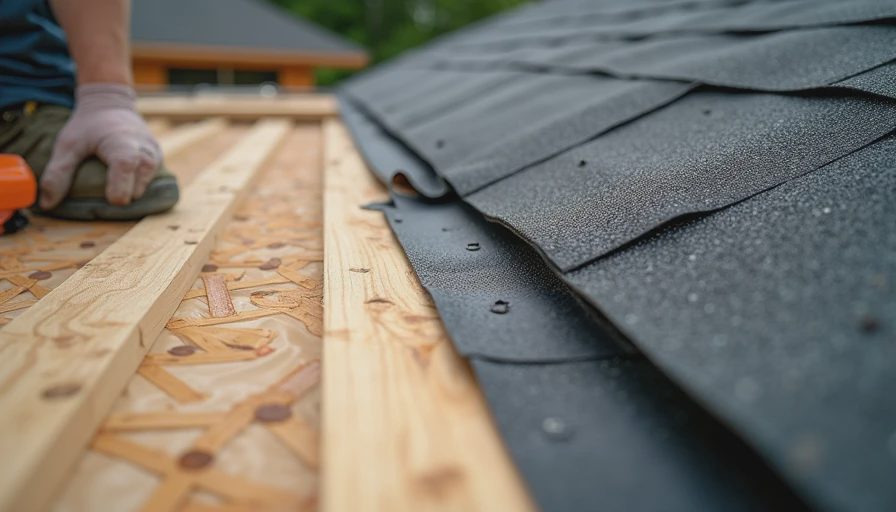
With the old material gone, we could see the real condition of the roof deck. We replaced several sheets of OSB that had water damage from previous leaks. This is the part most overlay jobs skip, and it’s why they fail faster.
Stage 3: Ice and Water Shield
We installed high-quality ice and water shield membrane at all eaves, valleys, and penetrations — at least six feet up from the edge. Critical in Minnesota for preventing ice dams.
Stage 4: Underlayment and Ventilation
Synthetic underlayment went on next, followed by careful attention to ridge venting and soffit airflow. A well-ventilated attic prevents most ice dam problems.
Stage 5: New Shingles Go On
Finally, the new architectural shingles. Proper starter courses, step flashing at walls and chimneys, and careful detailing around all penetrations.
Why Most People Never See This Process
Homeowners usually only see the truck arriving and the finished roof. They don’t see the rotten sheathing, the careful flashing work, or the hours spent making sure water will stay out for decades.
That’s why cheap bids that promise quick overlays often lead to expensive problems later.
Lessons From That Last Job
Three-layer tear-offs are brutal but necessary in many cases.
The deck condition is usually worse than the homeowner expects.
Proper flashing details take time but prevent 80% of future leaks.
Good crews make the difference between a roof that lasts 15 years and one that lasts 35.
What This Means for Homeowners
When you get roof bids, ask these questions:
Are you doing a full tear-off?
Will you replace damaged sheathing?
What ice dam protection are you using?
Can I see photos of similar completed jobs?
The contractors who give detailed answers and show their work are usually the ones worth hiring.
Final Thoughts From the Last Tear-Off
Standing on that roof at the end of the day, looking at a clean, properly detailed new roof, I felt good about the work. But I also felt ready to step back and share this knowledge more broadly.
Doing the job right takes time, skill, and attention to detail. When homeowners understand what “right” actually looks like, they’re better equipped to hire the right crew and get a roof that truly protects their home.
Stay warm. Stay dry.
— Dean




No notes on this sheet yet.