Vinyl Isn’t Bad — But It’s Not Bulletproof
I’ve installed more vinyl siding than any other material. It’s affordable, relatively easy to work with, and can look good for decades when done right. But after seeing the same failure patterns repeat on job after job, I want to be straight with you about where vinyl siding consistently struggles in cold climates.
I've been on that roof — and those walls. Let me save you the trip.
The Most Common Vinyl Siding Failures
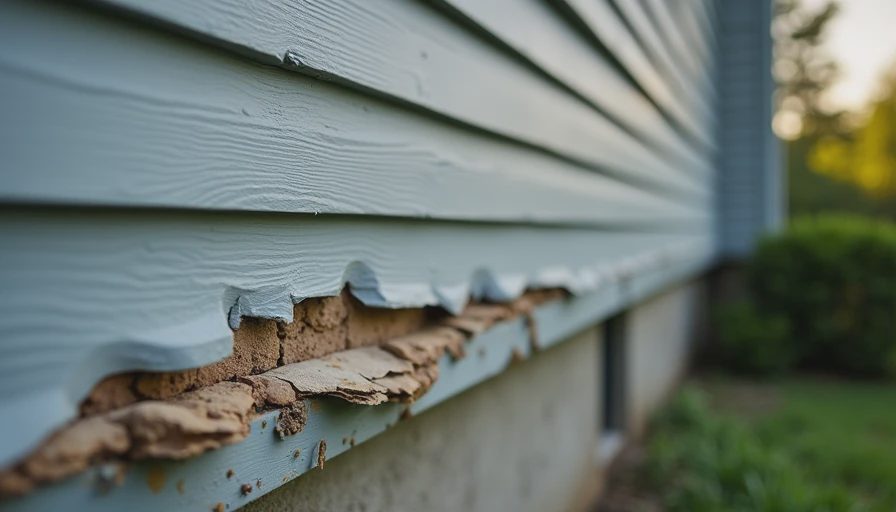
1. Bottom Course Rot and Buckling
This is the #1 issue. Water splashes up from the ground and gets behind the first row. Cheap vinyl doesn’t drain well and can trap moisture against the sheathing. I’ve seen entire bottom courses need replacement after 8–12 years.
2. Expansion and Contraction Issues
Vinyl moves a lot with temperature changes. In Minnesota, we can swing 60+ degrees in a day. If installers don’t leave proper expansion gaps, the siding buckles, warps, or pops nails.
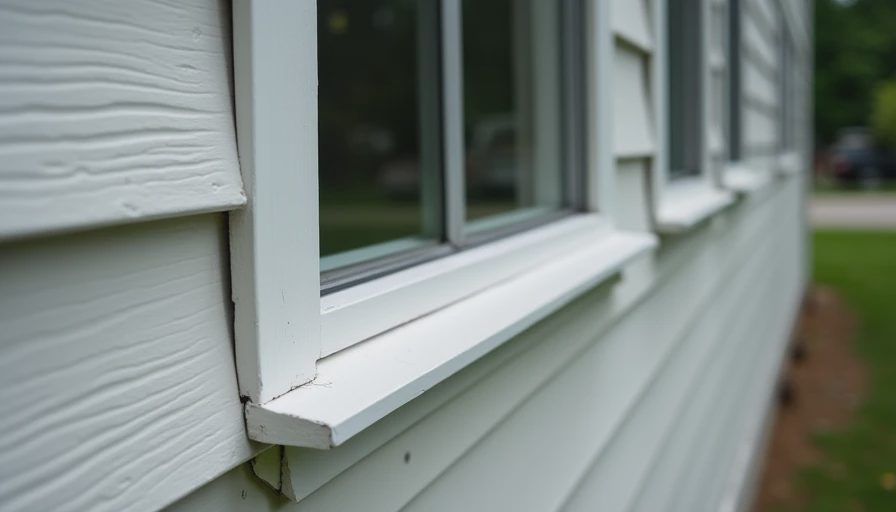
3. Poor Window and Corner Details
J-channel installed incorrectly or corners not properly wrapped let water behind the siding. Once water gets in, vinyl hides the damage until it’s bad.
4. Fading and Brittle Material
Lower-quality or dark-colored vinyl fades and becomes brittle faster. Hail damage is also more common with thinner vinyl.
5. Wind Damage
High winds can catch loose panels if they weren’t installed with enough fasteners or proper starter strips.
How to Make Vinyl Last Longer
If you’re going with vinyl (and it’s a perfectly reasonable choice for many budgets), do these things:
Use thicker 0.042" or better gauge with color-through material
Install proper starter strips and Z-flashing at the bottom
Leave recommended expansion gaps (usually 1/4" to 1/2")
Use quality house wrap and tape all seams
Detail windows, doors, and corners meticulously
Choose lighter colors in sunny exposures
When I Recommend Something Else
I usually steer people toward fiber cement if they can stretch the budget, especially on the front of the house. The durability difference in our climate is noticeable after 10+ years.
But vinyl done correctly is still a solid, cost-effective option for many homes.
Real Job Lessons
I once re-sided a house where the original vinyl crew had nailed everything tight with no expansion room. The siding looked like a washboard after five winters. We tore it off and did it right the second time. The difference was dramatic.
On my own house I used fiber cement on visible areas and vinyl on the back. Seven years later, I’m glad I made that compromise.
Bottom Line
Vinyl siding isn’t junk. It’s a practical, affordable material that performs fine when installed with care and attention to our climate’s realities. But it’s not as forgiving as fiber cement.
Pay attention to the details — especially at the bottom, around openings, and with expansion gaps — and vinyl can serve your home well for 25–30 years.
Cut corners on installation, and you’ll be dealing with the same predictable problems I’ve fixed hundreds of times.
Stay warm. Stay dry.
— Dean




No notes on this sheet yet.