
The Expensive Education of Roof Estimates
I once watched a homeowner in Bloomington accept a low bid that looked great on paper. Six months later the roof was leaking again. The crew had done a quick overlay instead of a proper tear-off, skipped critical flashing, and used cheaper underlayment that couldn’t handle our ice dams. The “savings” turned into a $14,000 repair bill the next winter.
After bidding and running hundreds of roofing projects over 14 years, I learned to read estimates like a book. Most homeowners see a bottom line number and stop there. I look deeper. Today I’ll show you the three key things I check that instantly tell me if the contractor is a pro or just another fast-talker with a truck.
I've been on that roof. Let me save you the trip.
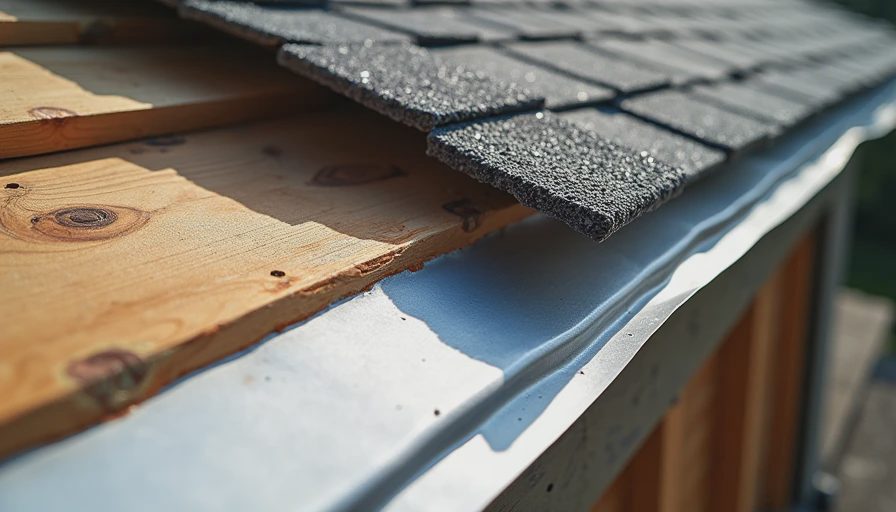
1. Do They Specify a Full Tear-Off vs Overlay?
This is the biggest red flag in cold climates.
A proper estimate should clearly state they’re doing a complete tear-off down to the sheathing. In Minnesota and similar freeze-thaw areas, layering new shingles over old ones is asking for trouble. Old layers trap moisture, create uneven surfaces, and reduce the lifespan of the new roof dramatically.
What a good estimate includes:
Removal and disposal of all existing layers (they’ll tell you how many they expect to find).
Inspection and replacement of damaged sheathing.
Proper ice and water shield in all valleys and eaves — at least 6 feet up from the edge or to the interior wall line for ice dam protection.
If the estimate says “overlay” or is vague about removal, walk away. I’ve torn off three-layer jobs that should have been one-layer from the start. The difference in cost is usually worth it for the longevity.
2. What Do They Say About Flashing and Underlayment?
Real pros get specific here. Amateurs talk about “shingles and labor” and hope you don’t ask questions.
Look for these details:
Step flashing at every wall and chimney intersection.
Proper drip edge installation along eaves and rakes.
Synthetic underlayment or high-quality felt (not the cheap stuff that disintegrates).
Booted pipe flashings instead of just slathering caulk.
Ridge vent details and how they plan to handle exhaust vents.
On one job in Edina the estimate was cheap because they planned to “caulk around everything.” I’ve seen those houses five years later — black stains running down the siding from failed flashing. Good contractors know that 80% of roof leaks come from flashing details, not the shingles themselves.
3. How Detailed Is Their Material Specification?
Vague estimates are warning signs. A solid one names brands and grades.
Red flags:
“30-year shingles” with no brand or style.
No mention of starter shingles, hip and ridge caps, or sealant type.
No ice dam protection details for our climate.
What good contractors list:
Specific manufacturer and product line (e.g., CertainTeed Landmark or GAF Timberline).
Color and style.
Warranty information — and who stands behind it (manufacturer vs contractor).
Ventilation plan — because a properly vented attic prevents ice dams better than any shingle.
Real Stories From the Job Site
I remember a homeowner in Minnetonka who got three bids. Two were vague and cheap. The third was higher but listed every detail: full tear-off, new OSB where needed, ice and water shield extending 6 feet up, proper step flashing, and a specific high-quality shingle with 50-year warranty. I was the one who wrote that bid. Five years later that roof is still perfect after multiple harsh winters.
The cheaper crews? One had to come back twice for leaks. The other homeowner ended up with ice dams and interior water damage.
Questions You Should Ask Before Signing
How many layers are you removing and what if we find more?
What ice dam protection are you using and how far up does it go?
Who is responsible if there’s a leak in five years?
Can I see examples of your work from 3-5 years ago in this area?
What’s your plan for attic ventilation?
If they get annoyed by these questions, that’s your answer.
What a Proper Roof Tear-Off Actually Looks Like
When we did it right, we’d pull everything off, inspect the decking, replace any soft spots, install proper underlayment and ice shield, flash everything meticulously, then lay the new shingles. It takes longer and costs more upfront, but the roof stays dry for decades instead of years.
I’ve stood on those roofs in January patching leaks from bad previous jobs. The difference is night and day.
My Recommendation for Most Homeowners
In our climate, don’t cheap out on the roof. It’s not the place to save a few thousand if it means doing the job twice. A quality roof with proper details might cost 15-25% more but can easily last 30-40 years instead of 12-15.
Budget $7,000–$14,000 for an average ranch house depending on pitch, complexity, and materials. Get at least three detailed bids from licensed local contractors with good references.
Final Thoughts
The best contractors are proud to show their work in the estimate. They want you to understand why their price is what it is. The ones who hide behind vague language are usually cutting corners you’ll pay for later.
Next time you get roof bids, look past the total number. Read the details. Ask the hard questions. Your house — and your wallet — will thank you.
Stay warm. Stay dry.
— Dean




No notes on this sheet yet.