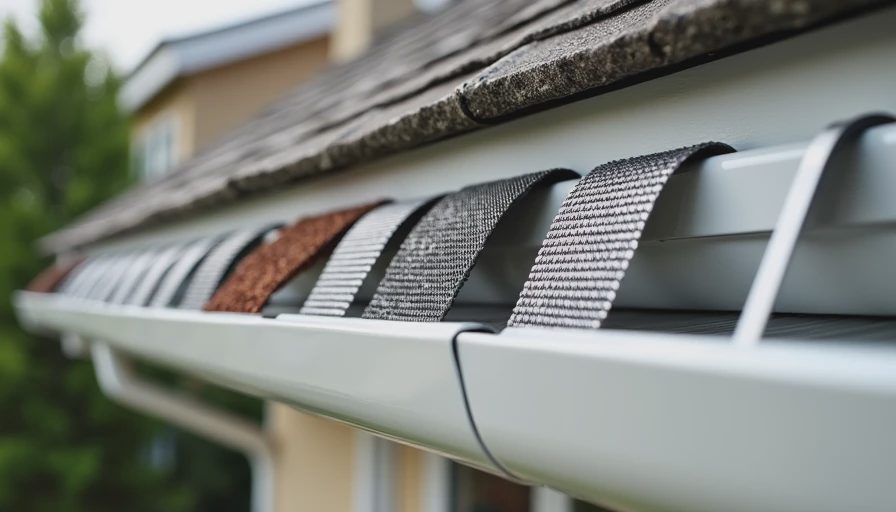
The Gutter Guard Sales Pitch Trap
Every spring the calls come in: “I saw this amazing gutter guard on TV that never clogs!” The salesman promises zero maintenance forever. Then I show up two years later to clean out a completely blocked system that cost the homeowner $2,500.
I’ve installed or repaired six different gutter guard systems over my career. Most of them sounded great in the brochure. Real life in Minnesota told a different story.
I've been on that roof. Let me save you the trip.

The Six Types I’ve Actually Installed
1. Plastic Mesh Screens
Cheap and easy to install. They work okay for light debris but clog quickly with pine needles and small leaves. Heavy snow and ice destroy them. I’ve pulled down more failed plastic screens than I can count.
2. Brush-Type Guards
They look like giant bottle brushes sitting in the gutter. They catch large leaves but still let through tons of smaller debris. They also hold moisture against the gutter metal, leading to faster rust and rot.
3. Reverse Curve / Surface Tension Systems
These are the ones with the curved metal design. They work surprisingly well in moderate leaf areas. Water follows the curve into the gutter while leaves jump over. One of the better performers I’ve used.
4. Micro-Mesh Systems
Fine stainless steel mesh. Very effective at keeping out almost everything. However, they can clog with pollen and fine debris in some areas and are harder to clean when they do.
5. Foam Inserts
The cheapest option. They disintegrate within a couple years, especially under UV exposure. I don’t recommend them at all.
6. Heavy-Duty Aluminum Perforated Guards
Solid metal with small holes. Durable but can still clog in heavy debris situations and are prone to ice dam issues in our climate.
The Only Two I Actually Recommend
After all these years, here are the two systems I stand behind:
Best Overall: Quality Reverse Curve Systems
When installed correctly on properly pitched gutters, these give the best balance of performance and reliability. They handle our heavy leaf drops and snow reasonably well. Look for sturdy aluminum construction with good warranties.
Best for Heavy Debris Areas: Premium Micro-Mesh
If you have lots of trees (especially oaks or pines), a good micro-mesh system is worth the investment. Choose reputable brands with proper support so the mesh doesn’t sag.
What Most People Get Wrong
Installing gutter guards without cleaning the gutters first — big mistake.
Choosing the cheapest option. You usually end up replacing them.
Thinking any guard completely eliminates maintenance. None do in tough climates.
Poor installation that creates ice dam risks or water overflow.
Real Cost vs Real Benefit
A quality gutter guard system typically runs $8–$15 per linear foot installed. On an average house that’s $1,800–$3,500.
If you hate cleaning gutters and have moderate to heavy tree cover, it can be worth it. If your trees are light and you don’t mind cleaning twice a year, skip them and just maintain your gutters properly.
My Personal Recommendation
On my own house I went with a good reverse curve system on the main areas. It’s performed well through seven seasons with minimal intervention. I still check and clean the gutters every fall like a responsible homeowner should.
Better Alternatives to Expensive Gutter Guards
Sometimes the best solution isn’t a guard at all:
Strategic tree trimming
Regular gutter maintenance schedule
Installing larger or better-sloped gutters
Adding gutter extensions or splash blocks
Final Truth From the Ladder
No gutter guard is truly “maintenance-free.” The ones that come closest are well-engineered reverse curve or premium micro-mesh systems installed correctly on clean, properly functioning gutters.
Don’t fall for the “never clean again” marketing. Be realistic about your property and choose accordingly. A good system can reduce maintenance significantly, but none eliminate it completely in real Minnesota conditions.
Stay warm. Stay dry.
— Dean



No notes on this sheet yet.