If you're wondering how to make old windows more energy efficient, start by finding where the heat is actually escaping. In many houses, the glass gets blamed when the real problem is a cracked bead of caulk, worn weatherstripping, or a window frame that was never sealed correctly. I've worked on plenty of cold-climate homes where a $40 repair made a bigger difference than an expensive replacement window.
Older windows aren't automatically junk. A solid wood double-hung window from the 1980s can still have a lot of life left if the frame is sound. The goal is to stop uncontrolled air movement, improve the glass where it makes sense, and avoid spending $800 per opening when a $100 repair will do the job.
Find the draft before buying anything
Do this inspection on a windy day. Lock the window, then move your hand slowly around the sash, meeting rail, sill, and trim. You can also hold a thin strip of tissue near the edges. If it moves, you've found an air leak. Don't use a lighter or candle around curtains, paint, or insulation.
Look outside as well. Check the caulk where the window trim meets the siding. Pay attention to corners, the sill, and the top edge of the casing. A small split can let cold air into the wall cavity. Inside, remove a section of loose trim if you're comfortable doing that and look for gaps between the window frame and rough opening. Spray foam made for windows can seal those gaps, but use it carefully. Regular expanding foam can bow the frame and make the sash stick.
Open and close each sash. If it rattles, drops, or requires a shoulder shove, the balance hardware or weather seal may be worn. Moisture between insulated glass panes is different. That means the sealed glass unit has failed, and surface caulk won't fix it.
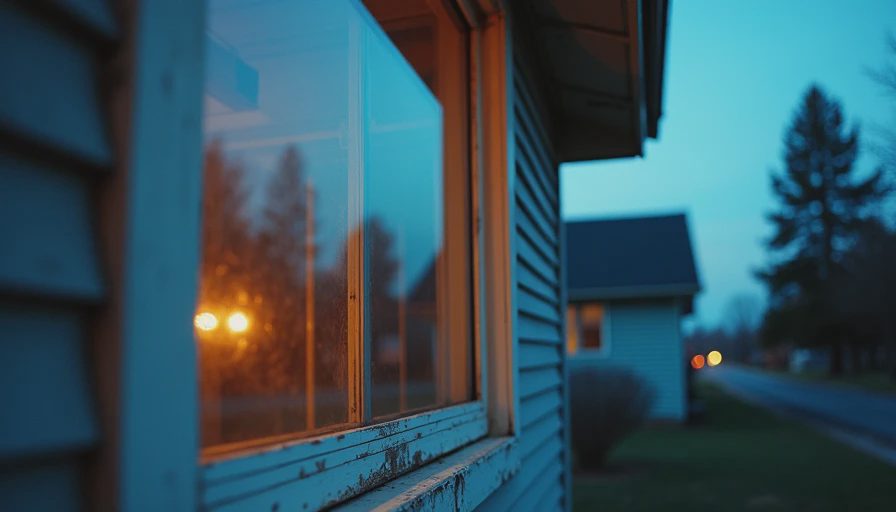
How to make old windows more energy efficient with simple repairs
Weatherstripping is usually the first repair I make. Peel-and-stick foam is cheap and easy, but it compresses and wears out quickly. For a frequently used window, spring-metal, adhesive-backed vinyl, or replacement sash seals are usually better choices. Clean the surface with rubbing alcohol, let it dry, and install the material without stretching it.
For wood windows, check the meeting rails where the upper and lower sashes meet. A narrow adhesive seal or properly fitted bronze weatherstrip can close that gap while still letting the window operate. Don't pack the channel so tightly that the sash binds. A window that won't close fully is a security and moisture problem.
Caulk the stationary joints, not the moving ones. Use a quality paintable acrylic latex caulk indoors and a high-quality exterior sealant outside. Never caulk over weep holes at the bottom of a window. Those openings drain water from the frame. Blocking them can send water into the wall, where freeze-thaw cycles do expensive damage.
For a typical window, basic materials cost $15 to $60. A careful homeowner can finish one opening in an hour or two. If a contractor handles several windows at once, labor often falls in the $75 to $175 per window range, depending on access and the condition of the trim.
Add interior window inserts or storm windows
Interior acrylic inserts are a practical middle ground when the existing frames are still square and dry. They fit inside the opening and create another layer of still air. Good inserts can reduce drafts without changing the exterior appearance, which matters on older homes with original trim. Expect roughly $100 to $300 per window for common insert systems, with custom sizes costing more.
Exterior storm windows provide a similar benefit and protect the original sash from weather. Aluminum storms are common and affordable. Low-emissivity glass storm windows cost more, but the coating helps reflect heat back into the room during winter. Make sure the storm frame has working weep holes and is installed with the correct drainage path.
A storm window won't cure a rotten sill, loose brick molding, or a window that leaks around the rough opening. Fix the water path first. I've seen homeowners spend thousands on attractive storms while rain continued to enter behind the trim. That is decorating a leak, not repairing one.
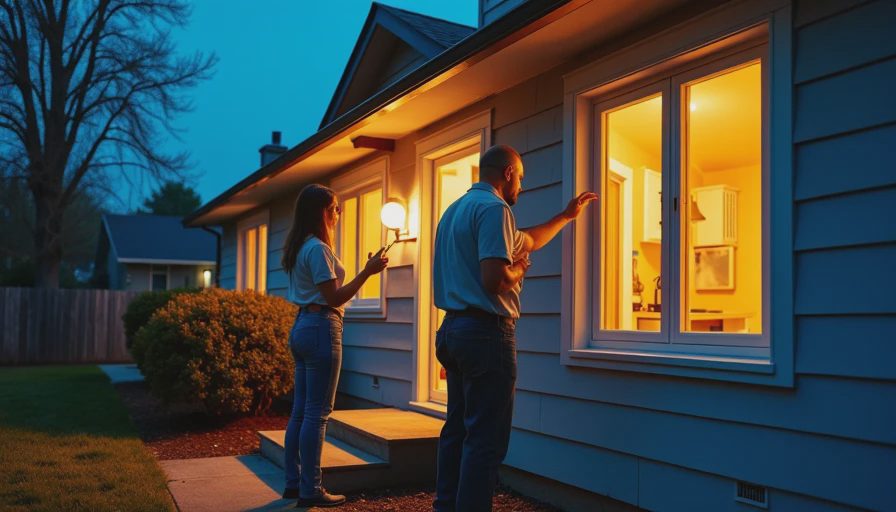
When replacement glass or a full window makes sense
If the frame is good but the glass is fogged, a glass contractor may be able to replace the insulated glass unit. This costs less than replacing the whole window, often around $150 to $450 per sash depending on size and glass specifications. Ask for a low-emissivity coating and argon-filled glass when available. Those features improve insulation, but they don't compensate for a crooked or poorly sealed frame.
Full replacement makes more sense when the frame is rotten, the opening leaks into the wall, the sash is badly warped, or the window is difficult to operate even after repair. Installed prices vary widely, but a reasonable planning range is $500 to $1,200 per opening for many standard replacement windows. Custom shapes, brick openings, exterior trim work, and upper-story access can push that number higher.
When comparing quotes, ask whether the installer is removing the old frame or inserting a smaller replacement unit inside it. A pocket replacement is less disruptive, but it can reduce glass area and leave hidden problems around the original frame. A full-frame installation exposes more of the opening and gives the crew a chance to inspect flashing and insulation.
What to look for in an efficient replacement window
The U-factor tells you how quickly heat passes through the window. Lower is better. For cold winters, look for a U-factor around 0.30 or lower when the budget allows. The solar heat gain coefficient, or SHGC, tells you how much solar heat enters through the glass. A moderate SHGC can help south-facing windows in a cold climate, while excessive summer sun can make some rooms uncomfortable.
Don't choose by label alone. Ask to see the whole-window ratings, not just the center-of-glass performance. A window can have impressive glass and still leak around the frame. Look for a welded or well-built frame, durable weather seals, insulated glass, and a written installation warranty.
The installation details matter more than a glossy brochure. The sill should be properly flashed, the opening should be insulated without bowing the frame, and the exterior perimeter should be sealed while preserving drainage. Expanding foam and a bead of caulk are not a substitute for flashing.
A sensible order of attack for your house
Start with the coldest room and the worst draft. Repair the obvious gaps, then wait through a cold night and compare the result. Next, address windows with failed glass or damaged frames. Leave sound windows alone until you've dealt with attic insulation, door weatherstripping, and large basement air leaks. A window upgrade can't overcome a house-wide air-sealing problem.
Keep receipts and photograph hidden conditions before trim goes back on. If you hire a contractor, get the scope in writing: number of windows, type of installation, flashing method, interior repairs, exterior trim, disposal, and warranty. A low bid that excludes casing or rotten sill repairs is not a low final price.
That is the practical answer to how to make old windows more energy efficient. Seal the leaks first, add a storm or insert where the frame deserves to stay, and replace only the openings that are truly failing. I've been on that roof. Let me save you the trip. Stay warm. Stay dry. — Dean





No notes on this sheet yet.