If you’re hearing traffic, barking dogs, wind, or kids in the hallway, you’ve probably asked: do triple pane windows reduce noise? Yes, they can. But the answer isn’t as simple as adding one more sheet of glass. The glass thickness, spacing between panes, frame, seals, and installation all affect what reaches your living room. A properly installed triple-pane window can make a noticeable difference, especially with steady outdoor noise. It won’t turn a bedroom into a recording studio.
How triple-pane glass changes sound
A double-pane window has two layers of glass separated by an insulating space. A triple-pane unit adds another glass layer and another sealed space. That creates more resistance for sound waves and reduces the amount of vibration passing through the window. It also helps with drafts and winter heat loss, which is why many cold-climate homeowners consider triple pane windows during a replacement project.
The improvement is most obvious with high-frequency noise. Voices, barking, birds, and some tire noise often sound softer. Low-frequency sounds are harder to stop. Diesel trucks, motorcycles, bass from a neighbor’s sound system, and aircraft rumble can pass through the wall, roof, or floor even after you upgrade the windows.
Glass spacing matters, too. Two panes placed very close together don’t separate sound as effectively as panes with a wider insulating gap. Argon gas improves thermal performance, but it isn’t a magic soundproofing material. The air space and glass makeup do more of the acoustic work. If a salesperson talks only about pane count, ask for the window’s acoustic ratings and glass configuration.
Do triple pane windows reduce noise better than double pane windows?
Usually, yes, but the difference depends on what you have now. Replacing old single-pane windows with a well-built triple-pane unit can feel dramatic. Replacing decent double-pane windows with standard triple-pane glass is often a smaller step. You may notice less hiss from passing cars and fewer sharp sounds, but you’ll still hear a loud truck at the curb.
Look for an STC rating, which means Sound Transmission Class. It measures how well a window blocks common indoor and outdoor sounds. A basic replacement window might land around the high 20s or low 30s. A stronger acoustic package can reach the upper 30s or beyond, depending on the product. Higher is better, but STC doesn’t perfectly represent every real-world noise, especially low bass and heavy traffic.
Also look for OITC, or Outdoor-Indoor Transmission Class. OITC gives more weight to lower-frequency outdoor sounds and is often more useful near highways, airports, and busy streets. Ask for both numbers in writing. If the quote lists only “triple pane” without an STC or OITC rating, you don’t yet know how quiet the window will be.
The glass package matters more than the sales pitch
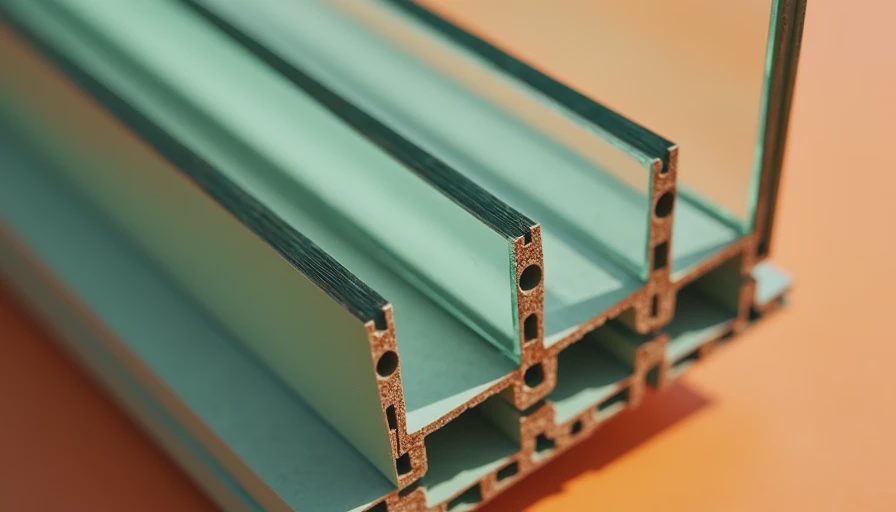
Three panes of identical glass aren’t automatically the quietest choice. Laminated glass is often the better upgrade for noise. It has a clear plastic layer bonded between sheets of glass, which helps damp vibration. Some manufacturers offer laminated glass in one pane of an otherwise triple-pane unit. That combination can outperform a basic three-pane package for traffic and neighborhood noise.
Different glass thicknesses can help, too. A unit with two 3-millimeter panes and one 3-millimeter pane may behave differently from one using a thicker pane or mixed thicknesses. The goal is to prevent every layer from vibrating at the same frequency. This is one reason a good window dealer should discuss the complete glass makeup instead of simply counting panes.
There’s a practical cost difference. Standard triple-pane replacement windows commonly add several hundred dollars per opening over comparable double-pane products. Laminated acoustic glass can add more, sometimes $300 to $800 per window depending on size, brand, and installation details. For a whole-house project with 15 openings, that difference can reach several thousand dollars. I’d spend it first on the rooms facing the road rather than upgrading every window blindly.
Installation can make or break the result
I’ve seen homeowners spend heavily on high-performance windows and still complain about noise. The problem was a sloppy installation. A window that isn’t square, plumb, and sealed can leave small air paths around the frame. Sound follows those paths. A bead of caulk over a moving gap is not a real fix.
Before work starts, ask how the installer handles the rough opening. The opening should be checked for rot, the sill should be supported, and the frame should be fastened according to the manufacturer’s instructions. The exterior needs a durable weather seal, while the interior gap should be insulated and sealed without bowing the frame. Expanding foam must be the right type for windows and doors; too much pressure can distort the frame.
Pay attention to the wall around the window. If the siding is loose, the trim has gaps, or the old flashing is damaged, replacing glass alone won’t solve the whole noise path. On older homes, I’ve found gaps behind exterior casing that were large enough to feel with a bare hand on a windy day. Fixing those details often improves comfort more than buying the most expensive option.
When triple pane windows are worth the money
Triple pane windows make the most sense when you’re already replacing failed, fogged, drafty, or single-pane units. The added glass can improve comfort near cold walls, reduce condensation risk, and soften everyday outdoor noise. They’re also worth considering in a nursery, home office, or bedroom facing a busy street.
If your existing double-pane windows are in good shape, start with a simple test. At night, stand near the glass while a vehicle passes. Then stand near the wall beside the window. If the window is clearly the loudest surface, an acoustic replacement may help. If the wall, ceiling, or floor carries most of the sound, new windows alone will disappoint.
For a modest budget, target two or three problem openings first. A quality replacement in a bedroom might cost roughly $900 to $1,800 installed, depending on size and construction. Large picture windows, bay units, wood interiors, and difficult upper-story access can cost considerably more. Use the first installation as a real-world test before committing to the rest of the house.
A smarter way to compare window quotes
When comparing quotes, do not put “triple pane” at the top of the checklist and stop there. Ask for the exact window series, glass thickness, air-space size, gas fill, STC rating, OITC rating, and whether laminated glass is included. Confirm whether the price covers interior trim, exterior capping, disposal, flashing repairs, and insulation around the frame.
Ask each contractor how they’ll address the existing opening. A replacement window installed inside a sound, square frame is different from a full-frame installation that removes the old window down to the rough opening. Full-frame work costs more, but it can expose rot and give the installer a better chance to seal the assembly correctly.
Do triple pane windows reduce noise enough to justify the price? For a house beside a busy road, often yes, especially when laminated glass and careful installation are included. For ordinary neighborhood noise, standard triple-pane glass may be plenty. For aircraft, bass, or heavy trucks, plan a broader approach that can include wall sealing, attic details, doors, and mechanical vents.
I’ve been on that roof. Let me save you the trip: buy the complete performance package, not the biggest pane count on a flyer. Get the acoustic ratings, inspect the installation plan, and spend the upgrade money on the rooms where noise actually bothers you. Stay warm. Stay dry. — Dean





No notes on this sheet yet.