An electric window opener is a practical fix when a window sits too high, weighs too much, or needs regular ventilation that nobody remembers to manage. I’ve seen them used in stairwells, sunrooms, bathrooms, kitchens, and older homes with awning windows above countertops. They aren’t magic, and they aren’t the right answer for every window. Installed correctly, though, one can improve airflow and make a hard-to-reach opening useful again.
What an electric window opener actually does
An electric window opener uses a small motor and an arm, chain, or rack mechanism to push a window open and pull it shut. Most systems work from a wall switch, handheld remote, timer, thermostat, rain sensor, or smart-home controller. The motor is usually mounted to the sash, frame, or header, depending on the window style.
The first thing I look at is the window itself. Casement and awning windows are usually good candidates because they open outward on hinges. Hopper windows can work too, but the operator has to match the opening direction and weight. Double-hung windows are trickier. Some products lift the sash, while others are designed only for light ventilation panels.
A motor will not correct a window that already binds, sags, or has rotten framing. If you need two hands and a shoulder to move the sash today, fix that problem first. Otherwise, the opener spends its life fighting the window, and the motor or mounting screws eventually lose that fight.

Where this upgrade makes sense
A common installation is a high window in a two-story foyer. Homeowners want the warm air out, but they don’t want to climb a ladder every evening. I installed a similar setup in a Minneapolis entryway where the window was nearly 16 feet above the floor. The homeowner had been ignoring it for years because opening it meant dragging a ladder across the hardwood.
Bathrooms are another good location. A timer-controlled electric window opener can clear steam after a shower without leaving the exhaust fan running for an hour. In a sunroom, a thermostat or temperature sensor can release built-up heat before the room becomes uncomfortable. Greenhouses, workshops, and attic living spaces also benefit when natural ventilation is part of the design.
This upgrade is less useful on a normal bedroom window that opens easily by hand. A decent opener and installation can cost several hundred dollars. Spending that money to avoid a five-second reach is not a good value. Spend it where access, ventilation, or routine use is genuinely a problem.
What it costs to buy and install
For a basic chain-style electric window opener, expect roughly $150 to $350 for the hardware. Better systems with rain sensors, thermostats, battery backup, or multiple-window controls can run $400 to $900. Specialty commercial-style actuators for large roof windows or heavy architectural units can cost more than $1,000 before labor.
Simple installation on an accessible window may take two to four hours. A contractor will commonly charge $300 to $800 for labor, depending on wiring, access, and whether the wall needs to be opened. If the opener is going into a finished two-story space, scaffolding or lift access can add several hundred dollars.
A realistic total for one ordinary residential window is often $500 to $1,200. Two or three windows sharing a control system may cost less per window, but the wiring still has to be planned. Ask for a written quote that separates the opener, controls, electrical work, trim repair, and painting. That makes it easier to compare bids.
Choosing the motor and control system
Match the opener to the window’s size, weight, opening angle, and hinge geometry. Manufacturers usually list maximum sash weight and recommended stroke length. Don’t guess based on appearance. A heavy wood sash may look small but require much more force than a lightweight vinyl awning window.
A chain actuator is common for residential projects and works well on many awning and casement windows. Rack-and-pinion systems provide strong, controlled movement for larger units. Some roof-window brands sell matching motors and controls, which is often the safest path because the mounting brackets and limits are already designed together.
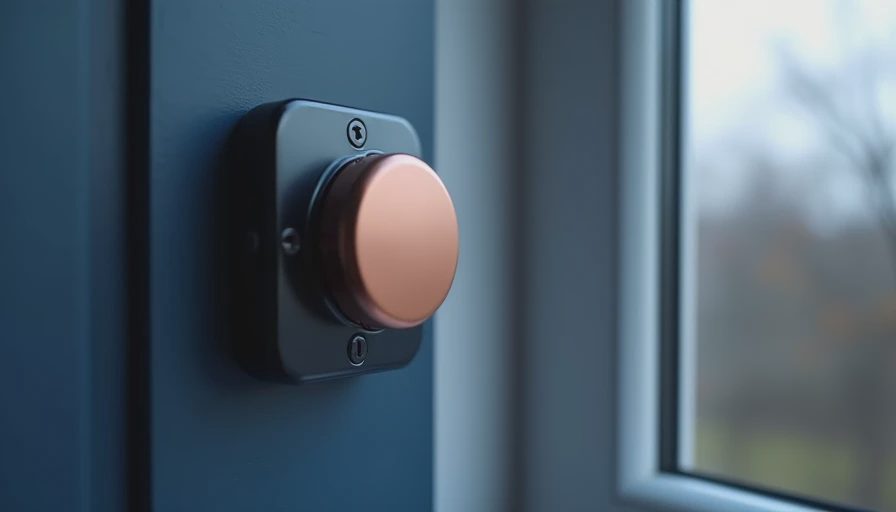
For control, a wall switch is simple and dependable. A timer is useful in a bathroom. A rain sensor makes sense for a window that could allow water into a finished room. Smart controls are convenient, but I would not make Wi-Fi the only way to operate an electric window opener. Keep a physical switch available. Routers fail, apps change, and batteries die.
Wiring, weather, and cold-climate details
The electrical portion deserves more attention than the motor itself. Low-voltage systems are common, but the transformer still needs a proper power source. If the installer is connecting to household wiring, that work should be handled by a qualified electrician or contractor following local requirements. A loose connection hidden above a ceiling is not a clever shortcut.
Cold climates add another concern. Condensation and freeze-thaw cycles can make a window stick. Ice on an exterior frame can overload the mechanism quickly. The opener does not replace weatherstripping, flashing, or proper drainage. Seal the frame correctly, but don’t smear caulk over drainage paths at the bottom of the window.
I also want to see corrosion-resistant hardware in a damp bathroom or greenhouse. Stainless fasteners and protected electronics cost a little more and are worth it. Keep the motor away from direct water spray, and make sure the window can close against its weather seal without excessive force.
Installation mistakes that cause trouble
The most common mistake is mounting the actuator out of alignment. The arm should push in a straight, controlled path. If it pulls sideways, the window hardware carries the stress, and the opener may make a clicking or grinding sound. Another mistake is skipping a manual release. You need a way to open the window for cleaning, emergency access, or motor service.
Don’t mount into thin trim and assume the screws will hold. The fasteners need solid wood, reinforced vinyl, or a properly installed bracket. On replacement windows, the frame may not have much structural depth behind the visible surface.
The installer should also set open and close limits carefully. A motor that keeps pushing after the sash reaches its stop can damage hinges, operators, or the frame. Test the system several times before the trim is closed up. Try the wall switch, remote, sensor, and manual operation if the unit supports them.
A sensible buying process
Start by measuring the window and photographing the hinges, frame, interior trim, and nearby outlets. Record whether the sash opens inward or outward and whether it already operates smoothly. Then contact the window manufacturer or find the opener’s load and stroke specifications before buying a motor.
Get two quotes if the project involves new wiring or a high opening. Ask who handles the electrical connection, what happens during a power outage, and whether replacement parts will still be available. A cheap opener with no local support can turn into a stuck window and a custom repair later.
For most homeowners, the best setup is a dependable motor, a physical wall control, a timer or rain sensor where appropriate, and solid mounting. Skip features you won’t use. If the window is simple to reach and already works well, save the money. If it sits above a staircase or prevents a hot room from ventilating, an electric window opener can be a smart, modest upgrade.
I’ve been on that roof. Let me save you the trip: fix the window first, match the motor to the actual sash, and treat the wiring and flashing as part of the job—not afterthoughts.
Stay warm. Stay dry. — Dean




No notes on this sheet yet.