If you see fog, haze, or moisture trapped between your glass panes, you may be wondering about gas in double pane windows. The gas itself is invisible. What you are seeing is usually a failed seal that allowed outside air and moisture into the insulated space. It is an annoying problem, but it does not automatically mean the whole window is shot.
Most insulated glass units use argon gas. Some higher-end windows use krypton. Both gases slow heat movement better than ordinary air. That helps keep a Minnesota bedroom warmer in January and reduces the heat your furnace has to fight. When the seal fails, the window gradually loses that advantage.
I have replaced plenty of fogged glass over the years. I have also watched homeowners spend thousands on full replacement windows when a $300 glass unit would have solved the problem. The first job is figuring out whether the failure is in the glass, the frame, or the installation.
How gas in double pane windows works
A double pane window has two sheets of glass separated by a spacer. The spacer creates a sealed cavity, often filled with argon at the factory. Sealants around the edge keep that gas inside and keep humid outdoor air out. A low-emissivity coating on one or both panes reflects heat back toward the room, which is why a quality unit performs better than two loose sheets of glass.
Argon is common because it is affordable, safe, and effective in ordinary residential windows. Krypton performs better in narrower spaces, but it costs more and is less common in standard replacement units. Neither gas is dangerous in the quantities used in a window. If the seal fails, the gas simply disperses into the surrounding air.
The trouble is that you cannot see the gas leaving. You notice the consequences later: condensation between panes, a white film, mineral-looking spots, or a window that feels colder than the others. In winter, the inside glass may also collect frost while nearby windows stay clear.
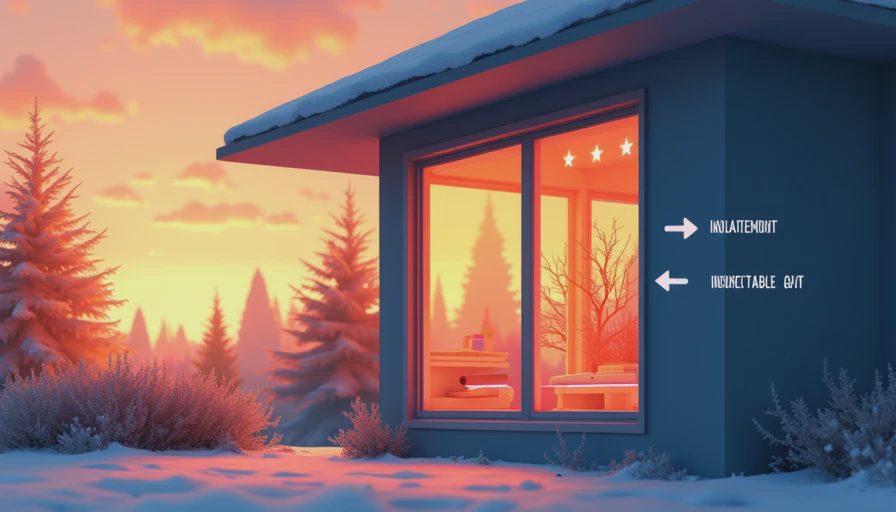
A failed seal does not always show up as fog right away. Sometimes the edge seal breaks on one corner first, and the unit still looks acceptable during dry weather. Freeze-thaw cycles can widen that failure. I have seen a clear-looking window turn cloudy after one hard winter because water got into a small opening and froze behind the spacer.
Signs the insulated glass unit has failed
Look at the window from several angles in bright daylight. Fog that stays trapped between the panes is the big clue. Wiping both sides of the glass will not remove it because the moisture is inside the sealed cavity. A rainbow-like film or droplets that move when you tap the glass point to the same problem.
Compare the window with others in the room. If one bedroom window is icy around the edges while the rest remain clear, the unit may have lost its insulating value. A thermal camera can show a cold spot, but you do not need special equipment to start the diagnosis. On a cold day, place the back of your hand near the center and edges of each pane. A failed unit often feels noticeably colder.
Check the frame too. Soft wood, peeling paint, cracked vinyl, or water stains below the sill can indicate a separate leak. That matters because replacing only the glass will not fix water entering around the frame. In older wood windows, rot at the sill can turn a simple glass job into a carpentry repair.
Do not confuse indoor condensation with a failed seal. If water is on the room-side surface, high indoor humidity is often the cause. Run the bathroom fan, use the kitchen vent, and keep winter humidity near a reasonable level. If moisture is between the panes, humidity control will not clear it.
Repair or replace the whole window?
When the frame is straight, dry, and operating properly, replacing the insulated glass unit is usually the sensible repair. A glazier removes the stops, measures the opening, orders a matching unit, and installs it with new sealant. For a typical residential opening, budget roughly $250 to $600 installed, depending on size, glass coating, grids, and local labor. Large picture windows can run $700 to $1,200.
That repair restores the sealed cavity, but it does not make an old frame new. If the sash is warped, the locks do not pull it tight, or the sill is rotten, full replacement deserves a closer look. A replacement window can cost $500 to $1,500 installed for common sizes, with premium wood or large specialty units going higher.
The age of the window matters, but it should not decide the project by itself. I have seen twenty-year-old windows with solid frames that needed only new glass. I have also seen ten-year-old units installed poorly, with gaps around the opening and no proper flashing. In that case, buying another glass unit would miss the real problem.
Ask the contractor whether the quote covers glass only, sash replacement, or a complete window. Those are three different scopes of work. Get the visible dimensions, glass specifications, warranty terms, and labor details in writing. A vague estimate saying “replace window” is how homeowners end up comparing unlike prices.
What to check before ordering new glass
Measure the existing unit carefully, but let the glass company verify the final dimensions. Insulated glass is ordered to tight tolerances. Being off by an eighth of an inch can create a poor fit, excessive pressure, or a unit that will not seat correctly.
Ask for the U-factor and visible transmittance. Lower U-factor generally means better insulation. In a cold climate, a low-e, argon-filled unit is a practical baseline. You do not necessarily need the most expensive triple-pane glass in every opening. A north-facing bedroom with a failed double pane might benefit from an upgrade, while a sheltered porch window may not justify the price.
Also ask whether the replacement includes a warm-edge spacer and whether the glass comes with a seal-failure warranty. Many manufacturers offer coverage for a defined period, but labor may be separate. Keep your original paperwork if you have it. Some builder-installed windows have transferable glass warranties even when the original contractor is long gone.
Check the drainage path before the new unit goes in. The sill should direct water outward, and exterior weep holes must remain open. Do not let anyone bury those holes in caulk. I have pulled windows where a previous repair sealed every opening and trapped water inside the frame.
A real-world example from a cold climate
I visited a 1998 colonial in Edina where the homeowner had six cloudy windows on the north side. They assumed the whole house needed replacement. The frames were square, the sashes locked tightly, and there was no rot. We replaced the failed glass units for about $2,100 total. A complete replacement project would have been closer to $12,000 to $18,000 after trim and interior painting.
That was a good repair because the surrounding window assemblies were sound. The lesson is not that glass replacement is always better. The lesson is to separate a failed seal from a failed window. Gas in double pane windows is only one part of the assembly; the frame, flashing, drainage, and operation matter just as much.
When full replacement makes sense
Full replacement is reasonable when several problems arrive together. Consider it if the frame is rotten, the sash is permanently bowed, the window leaks at the perimeter, hardware is unavailable, or the opening has a long history of drafts. It can also make sense during a larger siding project, when the contractor can properly integrate flashing and house wrap around the new unit.
Do not buy replacement windows solely because a salesperson says gas in double pane windows has “escaped.” That statement may be true, but it does not tell you whether the frame is reusable. Get one quote for glass-only repair and one for full replacement. Compare the actual condition, expected service life, interior disruption, and warranty—not just the monthly payment.
For most homeowners, the next step is simple: photograph the fogging, inspect the frame and sill, locate the manufacturer label, and call a reputable glass company for a measured quote. Gas in double pane windows points you toward a diagnosis. It is not, by itself, a command to replace the entire wall of glass.
I've been on that roof. Let me save you the trip.
Stay warm. Stay dry. — Dean





No notes on this sheet yet.