Thermopane windows are the common name many homeowners use for insulated glass units, usually two panes sealed around the edges with a spacer and filled with air or argon. They were a big step up from old single-pane windows. If your house was built between 1980 and 2010, there's a decent chance you have them already.
I replaced a lot of these during my contracting years. Sometimes the glass was the problem. Sometimes the window frame was fine and a bad installation was letting cold air around it. Those are two different repairs with two different price tags. I've been on that roof. Let me save you the trip by showing you what to inspect before ordering anything.
How thermopane windows work
The sealed space between the panes slows heat movement. Argon gas, a low-cost inert gas, can improve insulation compared with plain air. The spacer separates the glass, while the edge seal keeps the gas in and moisture out. When that seal fails, you may see fog, droplets, or a cloudy film between the panes.
That fog doesn't mean the entire window has to come out. A glass company can sometimes replace the insulated glass unit inside the existing sash. This is called a glass-only or insert repair. It often runs about $250 to $600 per opening, depending on size, glass type, and access. Replacing a complete window with a new frame can cost $700 to $1,500 or more installed.
Thermopane windows aren't automatically energy efficient just because they have two panes. A leaky frame, missing weatherstripping, loose sash, or failed seal can wipe out much of the benefit. Look at the whole assembly, not only the glass.
Signs the glass or window has failed
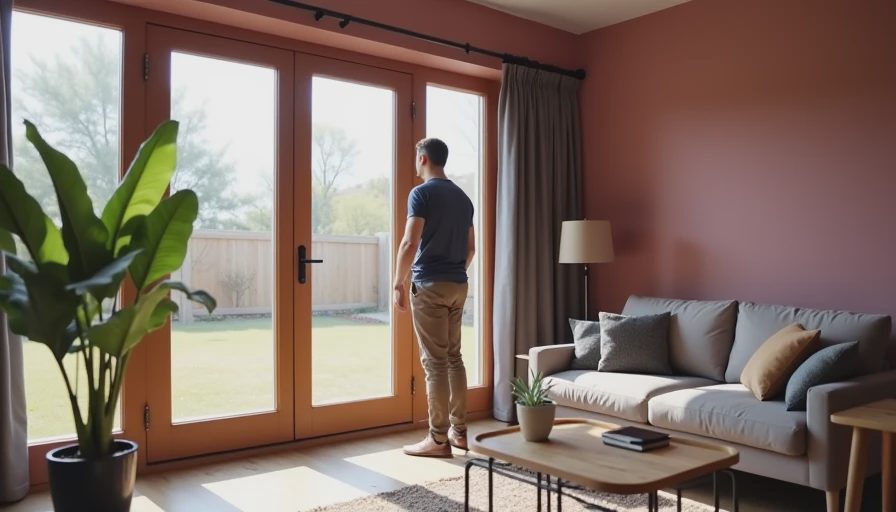
Start on a cold morning. Run the back of your hand around the sash and trim. A little chill near the glass is normal; a distinct stream of cold air is not. Hold a thin tissue near the corners. If it moves, you may have an air leak, although strong wind can produce a false reading.
For thermopane windows, the most obvious failure sign is condensation trapped between the panes. Wiping the inside and outside won't remove it because the moisture is sealed inside. A broken seal can reduce the unit's insulating performance and leave mineral stains that never clean off.
Also inspect the lower corners. Soft wood, peeling paint, swollen vinyl, or dark staining suggests water trouble. On a wood window, poke questionable trim with a screwdriver. If it sinks into the material, stop talking about replacement glass and investigate the sill, flashing, and surrounding wall.
Check operation, too. A sash that drags may have a warped frame or settlement around the opening. Don't let a salesperson blame every stiff window on old glass. Sometimes the rough opening is out of square, or the original installer didn't fasten and shim the unit correctly.
Repair, glass replacement, or full replacement?
A glass-only repair makes sense when the frame is square, dry, and still operates well. It preserves interior trim and usually creates less mess. I used this approach on several 1990s homes where the homeowners liked their wood interiors but had failed seals in two or three windows.
Full replacement is more reasonable when the frame is rotten, the sash is badly warped, or the window has repeated air leaks. It also makes sense if you are already removing siding and can properly integrate the new flashing into the wall system. A replacement window installed from inside can be less disruptive, but it may leave questionable exterior flashing untouched.
Thermopane windows with a failed seal are not always an emergency. Fogging is ugly and inefficient, but it doesn't mean rain is coming through the wall tomorrow. Get the opening assessed, compare the repair price with the age of the window, and avoid replacing a whole house because one pane failed.
For a typical 12-window ranch, glass-only work might land around $3,000 to $6,000. Full replacements commonly run $8,000 to $18,000, depending on material, glass package, trim, siding removal, and local labor. Those are planning numbers, not a promise carved in stone.
What to specify in a new window
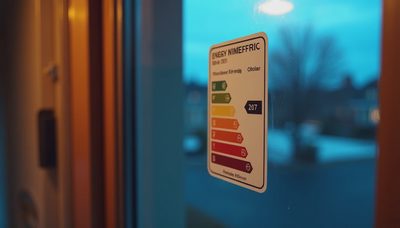
Ask for the NFRC label and look at the U-factor. Lower is better for winter heat loss. In a cold climate, many homeowners should compare units around a U-factor of 0.30 or lower, though the right target depends on the product and budget. A low-e coating helps reflect heat back toward the room.
The solar heat gain coefficient, or SHGC, tells you how much solar heat passes through. A lower SHGC can help with summer overheating, while a higher value can provide useful winter sun. South-facing windows and shaded north-facing windows don't always need the same package.
Argon-filled thermopane windows are common and generally worthwhile. Triple-pane glass can improve comfort and reduce sound, but it weighs more and costs more. Expect roughly $150 to $400 extra per opening for a triple-pane upgrade, with the exact amount driven by size and brand.
Ask how the installer will handle the sill pan, side flashing, head flashing, shims, and air sealing. “We'll caulk it” is not an installation system. Caulk is a sealant, not a substitute for properly layered flashing. In a cold region, the crew should also explain how the interior air seal will connect to the existing wall.
Getting a quote that isn't slippery
Get at least three written estimates, but compare the scope rather than the bottom line. One quote might include disposal, interior casing, exterior capping, and permits. Another might price only the window and basic labor. A $500 difference can disappear when the missing line items appear later.
Have each contractor list the window brand, series, frame material, glass configuration, U-factor, SHGC, warranty, installation method, and payment schedule. Ask who performs the work. Some companies use a regular crew; others subcontract every installation. Neither arrangement is automatically bad, but you deserve a straight answer.
Watch for a large deposit request, vague “premium glass” language, and promises of a dramatic whole-house energy savings number. Utility bills depend on air leakage, insulation, furnace efficiency, weather, and occupant habits. Good windows improve comfort and reduce losses; they don't turn an old house into a passive house.
A sound estimate for thermopane windows should also mention interior protection and cleanup. Replacing ten openings creates dust, broken trim, and a pile of old frames. Plan for one to three days for a normal crew, longer if siding or rotten framing needs repair.
A practical inspection checklist
Walk the house and write down every questionable opening. Mark fogged glass separately from drafty frames. Photograph water stains and soft trim. Measure rough openings only if you know how; ordering replacement units from a casual tape measurement is an expensive mistake.
Then decide what matters most. If the problem is one failed seal in a good frame, repair the glass. If several windows stick, leak, and show rot, prioritize a coordinated replacement. If comfort is the main complaint, have someone test air leakage before assuming the glass is the culprit.
Thermopane windows can be a good investment, especially when the existing units are cold, drafty, or beyond repair. But installation details matter as much as the glass. Spend your money on a correctly sized unit, a competent crew, and honest flashing work. That combination will do more for your house than a fancy brochure or a giant discount sticker.
Stay warm. Stay dry. — Dean




No notes on this sheet yet.