If you're asking how long does argon gas last in windows, you're probably seeing fog between the panes or wondering whether those insulated units are still doing their job. The short answer is about 10 to 20 years in a properly made, properly installed insulated glass unit. Some last longer. Some fail in half that time. The gas itself doesn't wear out like motor oil. The window seal fails, and the argon slowly leaks away.
I've replaced plenty of failed glass units in homes from Minneapolis to western Wisconsin. The frames were often still solid. The problem was the sealed glass package inside them. That distinction matters because replacing the glass can cost a few hundred dollars, while replacing the whole window can run into the thousands.
What argon gas does inside a window
Argon is a colorless, nonflammable gas placed between two panes of glass. It's denser than air, so it slows heat movement through the space. In plain terms, it helps keep winter heat inside and summer heat outside. Most modern double-pane windows use argon, while some premium triple-pane windows use argon or krypton.
The gas works with the low-emissivity, or low-E, coating on the glass. Low-E reflects radiant heat, and argon reduces conduction between the panes. Neither feature fixes a poor installation. A window with excellent glass can still leak cold air around the frame if the rough opening was not insulated and flashed correctly.
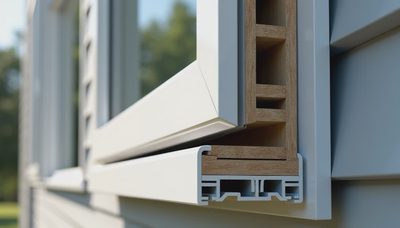
So when homeowners ask how long does argon gas last in windows, I explain that the answer depends more on seal quality than on the gas. A good insulating glass unit has a tight perimeter seal, a spacer between the panes, and a frame that sheds water. Repeated freeze-thaw cycles, manufacturing defects, ultraviolet exposure, and movement in the sash can all shorten its life.
How to tell when the seal has failed
The most obvious sign is condensation or a cloudy film trapped between the panes. Wiping both sides of the glass won't remove it because the moisture is inside the sealed unit. You might also see mineral deposits, streaks, or a white haze that changes with outdoor temperature.
A failed seal doesn't always fog immediately. In January, stand near the window on a sunny afternoon and compare it with a nearby unit. A failed pane may feel colder, show frost at the edges, or create a noticeable downdraft. An infrared thermometer can help, but don't treat one low reading as proof. Curtains, sun exposure, and interior airflow affect surface temperature.

There was a house in St. Paul where the homeowner thought every window needed replacement because the upstairs rooms felt cold. I checked the units and found four failed seals, but the frames and installation were serviceable. We replaced the insulated glass only. The bill came in around $1,600 instead of a window replacement estimate near $11,000. The lesson is simple: identify the failed component before ordering a full package.
How long argon-filled windows usually last
A realistic service life for argon-filled insulated glass is roughly 10 to 20 years. Better units installed in protected openings can reach 20 to 25 years. A bargain window, a south-facing opening, or a unit exposed to standing water may fail much sooner.
The brand name matters less than the manufacturing quality, spacer design, drainage, and warranty. Pella, Andersen, Marvin, Milgard, Simonton, and Jeld-Wen all make insulated glass products in different price tiers. A reputable brand can still have an individual unit fail. Glass seals are manufactured components, not magic shields.
When considering how long does argon gas last in windows, remember that a window can remain usable after losing some gas. It won't suddenly become dangerous or stop blocking all heat. Its insulating performance gradually drops, and the fogging may become more noticeable. If the glass is clear and the room is comfortable, replacement might not be urgent.
Can argon gas be added to an existing window?
Usually, no—not in a practical, lasting way. A glass company can remove the sealed unit and install replacement insulated glass. That new unit can contain argon, but a technician generally doesn't refill the old unit through a drilled hole. Drilling can leave a visible patch, compromise the seal again, and turn a clean repair into a temporary experiment.
Glass-only replacement makes sense when the sash and frame are straight, the hardware works, and the exterior trim is dry. Typical pricing is about $250 to $600 per double-pane unit, depending on size, glass type, access, and local labor. Oversized windows, tempered glass, obscure glass, and specialty shapes cost more.
Full replacement is more sensible when the frame is rotten, the window leaks around its perimeter, the sash is badly warped, or several parts have failed. A midrange installed replacement window often lands around $700 to $1,500 per opening. Historic, oversized, or custom units can run higher.
What to check before paying for replacement
Start with the warranty. Many insulated glass warranties cover seal failure for 10 years, 20 years, or longer, but labor coverage may be shorter. Find the manufacturer label, purchase paperwork, or builder records. A replacement pane under warranty may still involve a service or installation charge.
Next, inspect the frame. Push gently on the sill and lower corners with a screwdriver handle. Soft wood, bubbling paint, or dark staining suggests water damage. Look at the exterior caulk and flashing, especially below the window. New glass won't solve water entering around the opening.
Ask the glass contractor whether the quote is for glass-only replacement or a complete window. The estimate should identify pane count, Low-E coating, spacer material, glass thickness, safety glazing, and warranty terms. Warm-edge spacers can reduce edge heat loss, but the installation details still matter more than a fancy line item.

If a contractor says every foggy pane requires a whole-house replacement, get another opinion. If they promise to drill and refill the existing unit for a permanent fix, be cautious. I've been on that roof. The expensive answer isn't always the durable answer.
When replacement is worth the money
Replace the whole window when you have several problems at once: failed glass, air leakage around the frame, rotten sill material, broken balances, and difficult operation. At that point, repairing one component at a time can leave you paying twice for labor and interior disruption.
For one or two foggy units in an otherwise sound house, glass replacement is usually the better value. For a 1990s home with original builder-grade windows that are drafty, swollen, and hard to lock, a planned replacement project can improve comfort and reduce maintenance. Do it by exposure and priority rather than replacing every window because one pane failed.
The answer to how long does argon gas last in windows is useful, but it shouldn't be the only question. Ask whether the seal is intact, whether the frame is sound, and whether the window was installed correctly. Those three answers tell you more than the gas label on the sales brochure.
Get a written diagnosis before committing to a $10,000 or $20,000 project. A trustworthy contractor will show you the failed seal, explain the repair options, and separate glass costs from installation costs. That keeps a manageable window repair from becoming an unnecessary whole-house renovation.
Stay warm. Stay dry. — Dean

No notes on this sheet yet.