Evergrain decking is a name that comes up a lot when homeowners start shopping for composite. I've installed it on a handful of projects over the past decade, and I've got a pretty clear picture of what it does well and where it grinds my gears. If you're weighing deck material options, this is the honest rundown you won't get from a sales brochure.
I'll start with a story. There was a house in Edina, a 1998 colonial, that had a cedar deck rotting at the post bases. The homeowner wanted low-maintenance. We tore out the old structure and replaced it with Evergrain boards. That job turned out well, but there are a few things I wish I'd told the owner before we started.
What Is Evergrain Decking?
Evergrain is a capped composite board. That means the core is a wood-plastic composite, wrapped in a thicker polymer shell that resists moisture, stains, and fading. It's not the hollow composite of the early 2000s, the stuff that felt hot and spongy underfoot. This product feels solid, closer to traditional wood, and the grain pattern is actually pressed into the cap, so it doesn't peel or delaminate like some older brands.
You'll see multiple color options, from light driftwood to deep walnut. On a 300-square-foot deck, material runs about $5,000 to $7,000, depending on the line and your local pricing. That's roughly double the cost of pressure-treated lumber. But you're paying to never sand or stain again.
Evergrain vs. Pressure-Treated Wood: The Real Numbers
Let's talk money, because that's what most homeowners really want to know. A 12x16 deck, which is about 192 square feet, will run you around $6,000 to $9,000 installed with Evergrain decking. Pressure-treated wood comes in closer to $3,500 to $5,000 for the same footprint. That's a real gap.

But the total cost of ownership flips over time. Wood needs sealing every two years, and in Minnesota winters, it takes a beating. I've seen treated decks start cracking and checking after five years. Composite—Evergrain included—is built to last 25 to 30 years with nothing more than a yearly rinse and maybe a soft scrub for pollen. You also skip the splinters and the gray driftwood look that shows up when sealer fades.
Installation: What I've Learned Building with Evergrain Decking
Installation is different from cedar. You're not just nailing boards down. With Evergrain, you hide the fasteners with clips that slide into the board grooves. That means every joist has to be straight, because any dip will show up in the finished surface. On the Edina job, we had to sister two joists that were out of alignment before laying the first board.
You also need to account for expansion. Composite moves with temperature, so you leave a gap at the end of each run and never butt boards tight against the house. In cold climates, I recommend leaving a 1/4-inch gap at every seam. And you absolutely need proper airflow under the deck. Composite traps moisture, and a poorly vented substructure will lead to mold on the framing.
This is not a weekend DIY for most people. I've done it, but if you've never built a deck, you'll want a crew that's already done a composite install. Hidden fastener systems leave no room for error.
Where Evergrain Falls Short
No product is perfect, and Evergrain has a few honest weaknesses. It gets hot. In direct July sun, those dark brown boards can get too warm for bare feet, and they also soak up heat that radiates onto the house side. You'll want to pick lighter colors if your deck faces the afternoon sun.
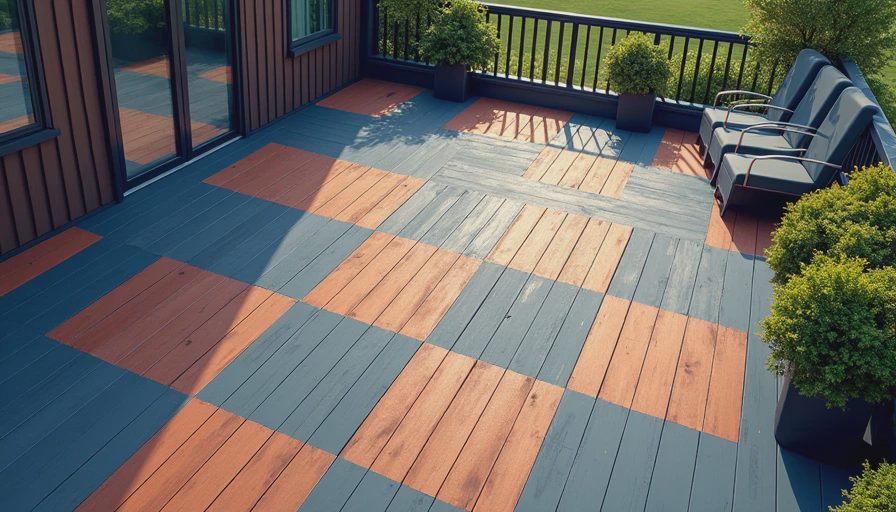
It also scratches. Not like a fingernail might, but when you drag a grill or a heavy planter across the surface, you'll leave a mark. Light scratches are usually hidden in the grain, but white or gray boards will show them more. And if you ever have to cut a board, you'll see the beige core underneath. You have to keep cut pieces and hidden edges facing down.
The price is the biggest obstacle for most people. If you're on a tight budget, wood will always be cheaper upfront.
Is Evergrain Worth It? My Verdict
So would I put Evergrain decking on my own house? Yes, I would. In fact, when we build a deck for ourselves, I've already penciled it into the plan. The low maintenance, the long lifespan, and the clean look with hidden fasteners win me over. But it only makes sense if you plan to stay in the house for at least ten years. If you're selling in five, you won't get the premium back.
If you decide to go with Evergrain decking, call a contractor who has actual installer certification, ask to see a job they finished more than a year ago, and get a line-item quote. Make sure the estimate includes proper substructure reinforcement, because that's where corners get cut.
Want help comparing deck materials for your climate? I've been on that roof. Let me save you the trip. Drop a comment with your deck size and where you live, and I'll give you a straight answer.




No notes on this sheet yet.