A cold climate deck material comparison needs to look past the showroom sample. In Minnesota, Wisconsin, the Northeast, and the Mountain West, a deck takes snow load, spring melt, summer heat, and repeated freeze-thaw cycles. Water gets into small cracks, freezes, expands, and starts the slow work of breaking boards and fasteners apart.
I built and repaired decks for years. The material matters, but the details matter just as much: proper spacing, sealed cuts, adequate ventilation, and a frame that sheds water. A $12,000 deck can fail early when the installer traps moisture against the house. A simple pressure-treated deck can last 20 years when it is built and maintained correctly.
Pressure-Treated Pine: The Practical Baseline
Pressure-treated pine remains the budget choice for a reason. The boards are widely available, easy to cut, and usually cost about $2.50 to $5 per square foot for decking material. Installed pricing commonly lands around $25 to $45 per square foot for a complete deck, depending on stairs, footings, railings, and the height of the structure.
For a cold climate, use ground-contact-rated lumber where the design or local code calls for it, even if the deck sits above grade. I also want to see treated framing, proper joist tape, and stainless or high-quality coated screws. Cheap fasteners rust, stain the boards, and eventually lose their grip.
The weak point is maintenance. New treated boards need time to dry before staining, then usually need cleaning and a fresh water-repellent finish every two or three years. Skip that work and the surface will crack, cup, and turn gray. In a cold climate deck material comparison, treated pine wins on initial cost but loses if the owner never plans to maintain it.
Cedar: Good-Looking, Not Maintenance-Free
Western red cedar is lighter and easier to work than treated pine. It has a warm color and a softer feel underfoot. Material often runs $4 to $8 per square foot, while installed projects can reach $35 to $60 per square foot after framing, railings, labor, and finishing are included.
Cedar handles cold well when it can dry out. That last part is the catch. I have replaced cedar stair treads that looked fine on top but were soft underneath because leaves and wet snow stayed packed against the risers. Cedar also dents more easily and can split around poorly placed screws.
If you want cedar to keep its color, plan on cleaning and staining every two or three years. A penetrating oil finish generally looks better than a thick film that peels in strips. Let the boards weather naturally if you prefer silver-gray wood, but still seal exposed end grain and keep the surface clean.
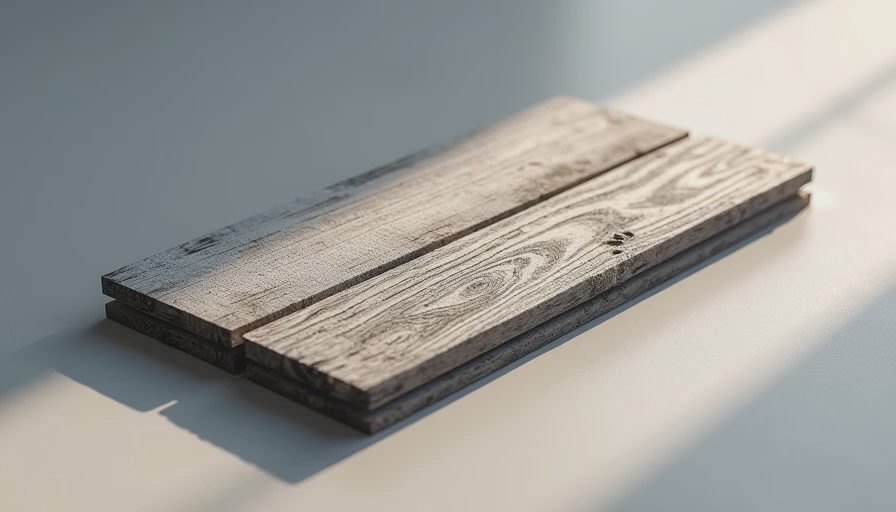
Composite Decking: Less Maintenance, Higher Upfront Cost
Composite decking is usually made from wood fibers and plastic, with a protective outer layer on many products. Trex, TimberTech, and Fiberon are common names homeowners will see at local suppliers. Material prices commonly range from $5 to $12 per square foot, and complete installed projects often fall between $45 and $80 per square foot.
The appeal is simple: no annual staining, no splinters from ordinary surface wear, and better resistance to rot than untreated wood. That does not mean composite is indestructible. Dark boards can get hot in direct sun, snow shovels can scratch some surfaces, and boards can expand and contract noticeably with temperature changes.
For a cold climate deck material comparison, composite is often the best fit for someone who hates maintenance and plans to stay in the house. Installers need to follow the manufacturer’s gapping requirements, especially at butt joints and board ends. Hidden fasteners must be seated correctly. If the boards are jammed tight in October, they may buckle when summer arrives.
I like composite for busy families, but I do not like it installed over a damp, poorly ventilated frame. The boards may outlast the structure underneath them. Use joist tape, provide drainage, and inspect the ledger connection before spending money on expensive decking.
PVC and Engineered Options
Cellular PVC decking is a separate category from wood-plastic composite. It contains no wood fiber, so it resists moisture and insects very well. Brands such as AZEK, now sold under the TimberTech family, offer boards with a clean finish and good color consistency. Expect roughly $7 to $15 per square foot for material and $55 to $95 per square foot installed on a detailed project.
PVC is a strong choice for a shaded deck, a damp yard, or a home where rot has been a recurring problem. It can expand more than wood, so the installation instructions matter. Some boards also have a hollow or lighter feel that not everyone likes.
Engineered wood products sit between traditional wood and synthetic decking. They can offer better stability than ordinary boards, but availability and product requirements vary. I would rather see a contractor install a familiar, well-supported product correctly than experiment with a bargain material nobody locally knows how to repair.
Comparing Winter Performance and Cost
Here is the plain version of this cold climate deck material comparison. Pressure-treated pine has the lowest entry price, but it asks for regular cleaning and sealing. Cedar looks best when maintained, yet it is softer and can rot when snow and leaves stay trapped. Composite costs more but cuts routine finishing work. PVC costs the most in many markets and makes the most sense where moisture resistance is the priority.
For a 300-square-foot deck, rough installed budgets might look like this: treated pine, $7,500 to $13,500; cedar, $10,500 to $18,000; composite, $13,500 to $24,000; and premium PVC, $16,500 to $28,500. Stairs, a raised structure, difficult access, footings, and cable or aluminum railings can push those numbers higher.
Do not compare board prices alone. Ask whether the estimate includes demolition, disposal, permits, footings, ledger flashing, joist tape, railing, stairs, and final cleanup. A low bid that omits flashing is not a bargain. It is a future repair bill.

Details That Matter More Than the Board
The best cold climate deck material comparison still fails if the deck is built badly. The ledger needs a reliable connection to the house and proper metal flashing. The framing should have room for air movement. Boards need the manufacturer’s recommended gaps, not a guess based on how wet the lumber feels that morning.
I want cut ends sealed on treated lumber, especially around stairs and picture-frame borders. I want a deck surface pitched enough to move water away from the house, without feeling noticeably sloped underfoot. Railings must be solid, and posts should not be buried in wet soil unless the design and local requirements specifically support that method.
One Minneapolis repair comes to mind. The deck boards were composite, but the joists had no tape and the ledger had been caulked instead of flashed. After several winters, the framing was soft while the expensive surface still looked almost new. The homeowner had bought the right boards and paid for the wrong installation.
My Recommendation for a Cold-Weather Home
Choose pressure-treated pine when the budget is tight and you are willing to clean and stain it. Choose cedar when appearance and a natural feel matter more than low maintenance. Choose composite for a family deck that gets heavy use and where you want to stop spending weekends on finish work. Choose PVC when persistent moisture or rot makes durability the first concern.
Get at least three written estimates, and ask each contractor to explain the ledger, drainage, fasteners, and framing protection. Look at a deck they built two or three winters ago, not only a freshly completed project. The older deck tells you whether the crew understands cold-weather construction.
That is the useful conclusion from this cold climate deck material comparison: buy the material that matches your maintenance habits, then spend money on the structure and installation details. Fancy boards cannot rescue trapped water, weak footings, or a loose ledger.
I've been on that roof, and I've crawled under those decks. Let me save you the trip. Stay warm, stay dry, and build the frame like you expect the next twenty winters to show up. — Dean

No notes on this sheet yet.