Deck construction looks simple from the backyard. A few posts, some beams, deck boards, and a railing. Then the first spring arrives, and the boards cup, the stairs wobble, and water sits against the house. I've repaired enough failed decks to know that the expensive part usually isn't the lumber. It's fixing what was hidden underneath.
A good deck should feel solid when you walk across it, drain quickly after a storm, and give water a clear path away from the siding. In a cold climate, that means planning for snow, freeze-thaw cycles, and wet leaves trapped against the framing. The right material matters, but the framing and flashing matter more.
Start With the Structure, Not the Surface
Before talking about colors or composite brands, inspect the parts that carry the load. Posts should sit on proper concrete footings or approved frost-depth supports, not loose blocks placed on soil. Beams need sound connections, and joists should be spaced according to the decking manufacturer's requirements. A deck can look beautiful on top while the ledger is slowly pulling away from the house.
The ledger is where I pay attention first. It should be firmly fastened to the house structure with appropriate structural screws or bolts, with flashing installed to direct water away from the wall. The siding should not be trapped behind it, and the fasteners should not land only in sheathing. On one 2004 home in Edina, I found a ledger attached through vinyl siding and thin sheathing. The deck hadn't fallen, but the wall had been wet for years.
That is the lesson: deck construction is house construction. Treat the connection to the house with the same seriousness as a roof-to-wall detail. If you see staining, soft wood, rusted fasteners, or a gap behind the ledger, stop planning cosmetic upgrades and get the structure checked.
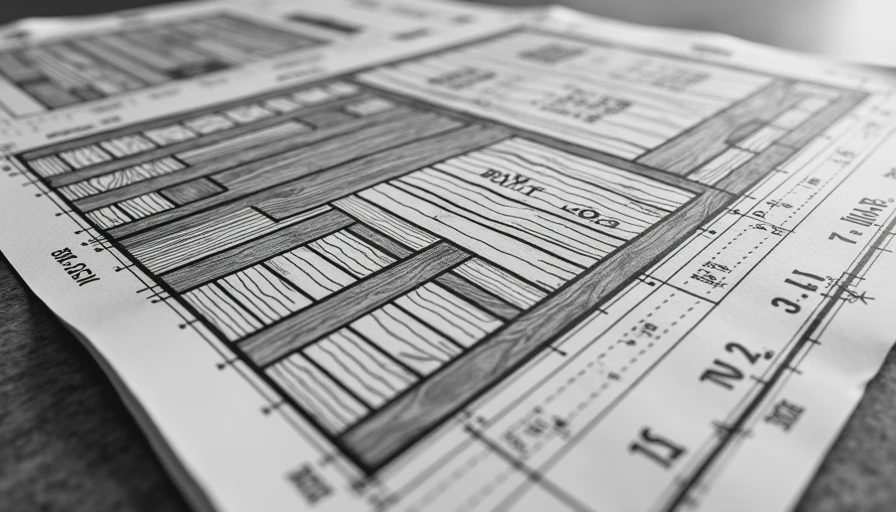
Choose Materials for Your Actual Yard
Pressure-treated pine remains the practical budget choice. Installed deck construction with treated lumber often lands around $25 to $45 per square foot, depending on stairs, height, footings, and railing. The boards are widely available and easy to repair, but they need time to dry before staining. Expect some checking, splinters, and color changes, especially through the first two seasons.
Cedar costs more, usually about $35 to $60 per square foot installed, and it has a warm appearance right away. It is lighter and easier to work with, but it is not maintenance-free. Without regular cleaning and stain, cedar turns gray and eventually absorbs more moisture. It also dents more easily than treated lumber.
Composite decking commonly runs from $45 to $85 per square foot installed. Trex, TimberTech, and Fiberon are established names, but their product lines differ. Entry-level boards can get hot in direct sun and show scratches more readily. Higher-end capped boards offer better stain and moisture resistance, but you still need to follow the spacing and ventilation requirements. Composite boards do not fix poor framing. They simply make poor framing harder to replace later.
For most homeowners, the best deck construction value is either well-installed treated lumber with a real maintenance plan or midrange capped composite over properly protected framing. I wouldn't spend $90 per square foot on premium boards for a small, shaded deck unless the homeowner specifically values low upkeep.
Protect the Framing From Water
Water management is where many crews cut corners. Joist tops should receive a compatible joist tape or flashing product when the design and manufacturer allow it. The goal is to keep water from sitting on the cut ends and fastener penetrations. I prefer butyl-based joist tape for many projects because it stays flexible in cold weather, though the framing must be clean and dry during installation.
The deck should slope slightly away from the house rather than holding water against the siding. Posts need room to dry, and the bottom of the framing should not sit in soil or collect mulch. If the deck is low to the ground, ventilation becomes more difficult, so the design needs extra attention before a single board is purchased.
Deck construction around doors deserves special care. The threshold must remain above the finished surface, and the flashing should tie into the wall's water-control layer. A contractor who says, "We'll just caulk that seam," is giving you a warning, not a solution. Caulk is useful, but it is not a substitute for drainage and flashing.
Price the Job Without Getting Tricked
A basic 12-by-16-foot ground-level deck may cost roughly $8,000 to $14,000 with treated lumber. Add stairs, elevated framing, privacy screens, electrical work, or complex footings, and the number can move to $18,000 or more. Composite can push the same footprint above $20,000, especially with aluminum or cable railing.
Get estimates that spell out demolition, disposal, footings, ledger work, framing size, decking brand and line, railing, stairs, permits, and final cleanup. A low bid that excludes demolition or footings is not really low. It is incomplete. Ask whether the estimate includes replacing damaged siding or rim-joist material found during demolition. That item should be handled with a written change order, not a handshake.
For deck construction, the payment schedule matters too. I would avoid handing over half the price before materials arrive. A reasonable arrangement might include a deposit for scheduling and materials, progress payments tied to completed stages, and a final payment after the railing, stairs, cleanup, and inspection are finished.
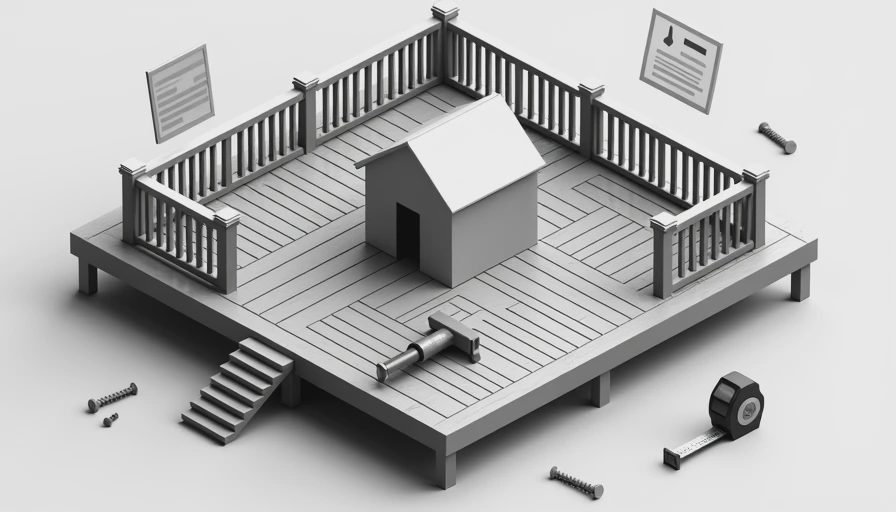
What a Good Contractor Should Show You
The contractor should be able to explain how the ledger attaches, how water leaves the house, where the footings will go, and why the joist spacing matches the selected decking. If the answer is vague, keep asking. You don't need to understand every building-code detail, but you do need to understand the plan.
Ask for proof of insurance, references for projects completed at least two years ago, and a written contract. Look at an older deck, not only a freshly finished one. Check whether the boards are cupped, whether railings move, and whether the stairs feel comfortable. In cold regions, ask how the crew handles frost movement and spring drainage.
One useful question is, "What part of this design would you change if this were your house?" A good builder will mention tradeoffs. Maybe the stairs need to shift away from the downspout. Maybe a privacy wall will catch too much snow. You want someone thinking about the whole exterior, not just getting boards installed quickly.
A Sensible Maintenance Plan
Even excellent deck construction needs maintenance. Sweep leaves off the surface before they stay wet for weeks. Keep soil and mulch away from posts. Clean the boards with a product suited to the material, and never use a pressure washer aggressively enough to shred the wood grain.
For treated lumber and cedar, inspect the finish every spring. Depending on sun and moisture, staining may be needed every two to four years. Composite usually needs less work, but it still benefits from regular cleaning, especially under furniture and planters. Tighten loose railing hardware and look beneath the deck for cracked posts, corrosion, sagging beams, or animal damage.
The best time to catch a problem is before the deck feels unsafe. A five-minute inspection each spring can prevent a $2,000 repair from becoming a $10,000 rebuild. I've been on that roof. Let me save you the trip here too: don't cover a questionable frame with expensive boards. Spend the money where it protects the house and the people using it.
Final Advice Before You Sign
Good deck construction is not about buying the fanciest material. It is about a sound connection to the house, dry framing, proper footings, safe stairs, and a crew willing to explain its work. Materials set the appearance and maintenance level, but details determine whether the deck is still serving you after ten Minnesota winters.
Walk the site with the contractor before work begins. Mark doors, downspouts, buried utilities, grading problems, and the location of stairs. Confirm the final height and railing layout in writing. Then compare complete estimates rather than chasing the lowest number.
A deck is a large outdoor room, but it is also a structure attached to your home. Build it like one, and the money will go toward years of use instead of repeated repairs.


No notes on this sheet yet.