Window replacement sounds simple until you start comparing quotes. One contractor talks about vinyl, another pushes fiberglass, and a third says your whole house needs new windows before winter. Window replacement can improve comfort and reduce drafts, but the product is only half the job. The installation details matter just as much.
I spent 14 years working on exterior projects around the Twin Cities. I've removed windows that were barely ten years old because water got behind the trim and froze the framing. I've also seen forty-year-old wood windows that were still serviceable because somebody maintained them and installed proper storm protection. Here's how to spend your money without buying a sales pitch.
When Window Replacement Makes Sense
Start with the condition of the window, not its age. A fogged insulated glass unit means the seal between the panes has failed. That window might still open and close, but it no longer performs as designed. Cracked frames, soft wood at the sill, repeated drafts, and sash locks that no longer pull the window tight are stronger reasons to replace.
A single bad unit doesn't automatically justify replacing every window. If the rest of the house is sound, replacing two or three problem windows can be the sensible move. On the other hand, replacement becomes more practical when half the windows have failed, the trim is deteriorating, or the sizes are nonstandard and repairs keep adding up.
There was a 1998 colonial in Edina where the homeowner complained about a cold dining room. The window itself wasn't the only issue. The installer had left gaps around the frame and filled them with a thin bead of interior caulk. We removed the casing and found daylight at one corner. The lesson was plain: window replacement doesn't fix an opening that isn't prepared correctly.

What Window Replacement Costs
For common double-hung vinyl windows, a realistic installed range is often about $500 to $1,200 per opening. Better fiberglass or composite units can run $900 to $1,800 installed. Large picture windows, bay windows, custom shapes, and difficult second-story access can push the price to $2,000 or more per opening.
Those numbers include more than the window. Labor, interior and exterior trim, flashing, disposal, insulation, and permit-related work can all be part of the estimate. A low quote sometimes leaves out casing repair or assumes the existing sill is perfect. If the crew finds rot after removing the old unit, that repair should be priced before work starts, not handled with a vague change order.
For a typical 12-window house, basic window replacement might land around $7,000 to $14,000. Midrange fiberglass or composite products can put the same project closer to $12,000 to $22,000. These aren't promises from a price calculator. They're useful budget numbers for comparing proposals in a cold-climate market.
Ask every contractor for the same breakdown: product cost, labor, trim, disposal, flashing, insulation, taxes, and repairs. A quote that says “12 windows installed” tells you almost nothing.
Vinyl, Fiberglass, or Wood?
Vinyl is usually the value choice. A good vinyl frame doesn't need painting, resists moisture, and offers dependable performance for many homes. Look for welded corners, sturdy operating hardware, and a frame that doesn't flex when you press on it. Extremely cheap vinyl can feel flimsy and may have limited color choices.
Fiberglass costs more, but the frames are strong and stable through temperature swings. That's useful in places where a January night can be below zero and July brings high heat. Composite frames can offer similar strength with different surface finishes. I like these materials for large openings where a flexible frame would be a concern.
Wood has a warm appearance and works well in older homes, but it needs maintenance. Exterior cladding reduces the painting burden, not the need to inspect the sill, joints, and finish. Wood is not automatically the premium answer. It is a good answer when the architecture calls for it and the owner will maintain it.
Pay attention to the label, too. U-factor measures how much heat moves through the window; lower is better. In a cold climate, a U-factor around 0.30 or lower is a reasonable performance target for many replacement projects. Solar heat gain coefficient affects how much sun enters. Your contractor should explain those numbers instead of throwing them at you.

The Installation Details That Prevent Leaks
The opening needs a proper inspection after the old unit comes out. The sill should be solid, square, and free of wet or crumbling material. Flashing should direct water outward, not trap it behind the trim. Expanding window foam belongs in the right gap and in the right amount. Too much foam can bow a frame and make the sash bind.
The outside trim and siding also need attention. A replacement window that is sealed only with a thick bead of caulk is not a complete exterior detail. Caulk helps shed water, but it cannot replace flashing, a sound sill, or correctly lapped weather-resistive materials. On a sided house, the crew should explain how the new trim connects to the existing siding and house wrap.
During window replacement, watch whether the crew checks operation before the interior casing goes back on. Each sash should open, close, lock, and stay square. A small problem is cheap to fix while the tools are out. It becomes an argument after the crew leaves.
How to Compare Contractors
Get at least three written proposals, but don't choose by price alone. Ask how long the company has operated under its current name, who will perform the work, and whether the crew handles both interior and exterior finish work. You want a clear answer about lead times, cleanup, warranty service, and what happens if hidden rot appears.
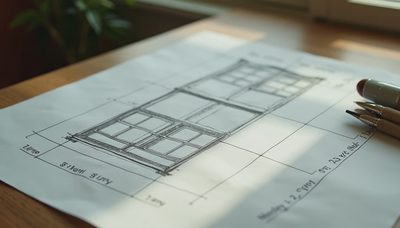
A reputable contractor should measure every opening rather than relying on your rough count. The proposal should identify the manufacturer, series, frame material, glass package, hardware, trim scope, and installation method. “Energy-efficient window” is marketing language, not a useful specification.
Check references for projects similar to yours. A company that does excellent new construction work may not be experienced with replacement openings in an older house. Ask past customers whether the crew protected floors, cleaned up glass, returned to fix small adjustments, and kept water out after the first heavy storm.
Don't let a salesperson turn ordinary maintenance into a crisis. Condensation between panes is a problem; a little frost on an exceptionally cold window is a different conversation. Take pictures, get a second opinion, and make the decision based on condition and budget.
A Practical Plan for the Project
Walk the house and mark each window that sticks, leaks, fogs, or feels cold. Photograph damaged trim before anyone arrives. Decide whether you want matching units throughout the house or a phased project, such as replacing the north and west exposures first. The latter can spread a $10,000 project over two seasons without pretending every opening has the same problem.
Before signing, confirm the deposit, payment schedule, start date, warranty terms, and cleanup responsibilities. Make sure the contract states who repairs interior drywall or paint if trim dimensions change. Move furniture and blinds away from the openings, but don't remove exterior siding yourself unless the contractor directs you to.
Good window replacement should leave the house quieter, tighter, and easier to maintain. It should not leave mystery charges, loose trim, or a caulk line doing the work of proper flashing. I've been on that roof and inside those walls. Spend less time comparing shiny brochures and more time examining the installation plan. Stay warm. Stay dry. — Dean


No notes on this sheet yet.