If you're comparing retrofit vs full-frame window replacement, you're probably looking at drafty rooms, peeling trim, or a window that has stopped opening without a fight. I've replaced windows in old Minneapolis colonials, postwar ranches, and newer homes where the builder cut corners. The window itself matters, but the installation method matters just as much.
A retrofit replacement fits inside the existing window frame. A full-frame replacement removes the old frame down to the rough opening and installs a new unit, flashing, insulation, and trim. One is usually quicker and cheaper. The other gives you a better look at what's happening inside the wall.
The right choice depends on your existing frame, the condition of the rough opening, your budget, and how much exterior work you're willing to do.
What a retrofit window actually does
With a retrofit, the installer removes the sashes and hardware, cleans the existing frame, then places a new window inside that opening. The old frame, exterior casing, and interior trim usually stay in place. The new unit is fastened through the side jambs and sealed around the perimeter.
This approach works well when the existing frame is square, dry, and structurally sound. It also makes sense when the siding is in good shape and you don't want to disturb it. A two-person crew can often replace eight to twelve windows in a day, depending on access and interior finish work.
Cost is the main attraction. In a typical cold-climate home, a quality retrofit installation may run about $600 to $1,100 per opening, including a midrange vinyl window and basic labor. Specialty sizes, wood interiors, upper-story access, and custom colors push that number higher.
The catch is glass area. Because the new window fits inside the old frame, you lose a little visible opening. That may only be an inch or two around the perimeter, but the difference is noticeable next to a full-frame installation. You also haven't inspected the wall cavity behind the old frame.
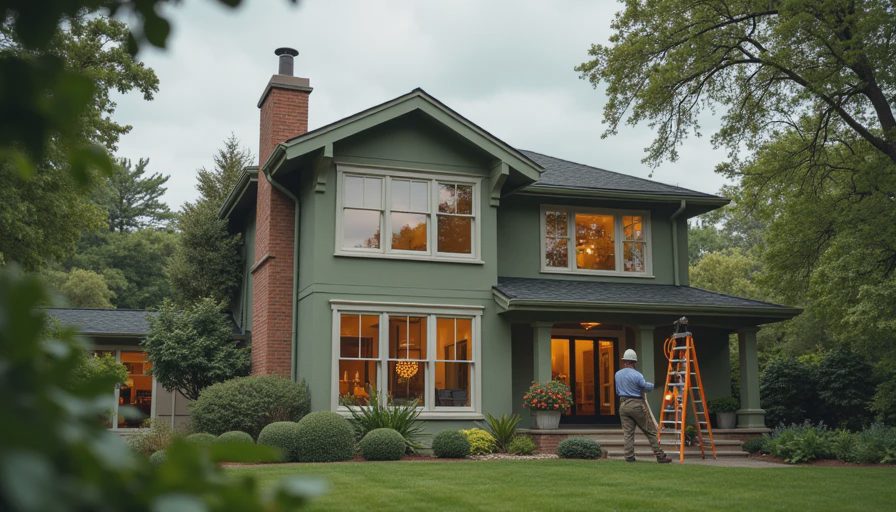
When full-frame replacement earns its higher price
A full-frame replacement starts with removal of the sashes, frame, interior stops, exterior casing, and sometimes siding or trim around the opening. The installer exposes the rough opening, checks for rot, then installs the new window with sill flashing, side flashing, head flashing, insulation, and an exterior seal.
That extra work commonly puts the price around $1,000 to $2,000 per window for vinyl, with wood or composite units often running $1,800 to $3,500 installed. A whole-house project can easily land between $15,000 and $35,000, especially when interior casing and exterior trim need to be rebuilt.
The payoff is control. You can correct a crooked opening, replace rotten sill framing, add proper pan flashing, and improve the air seal around the rough opening. If your house was built in the 1980s or 1990s, this is often the first time anyone has seen that detail clearly.
Full-frame replacement also gives you more glass and a cleaner finished appearance. It is the better route when the old frame is warped, leaking, soft at the sill, or covered with layers of caulk that are trying to hide a bad installation.
Retrofit vs full-frame window: the condition of the opening decides
I've been to a 1998 house in Edina where the homeowner expected a simple retrofit. The first window came out and the sill was black, soft, and wet beneath the aluminum wrap. Water had been getting behind the frame for years. A retrofit would have covered the evidence and left the damaged wood in place.
That is the lesson with retrofit vs full-frame window work: don't choose the cheaper method before someone inspects the frame. Look for staining, soft wood, bubbling paint, mold-like odor, loose trim, and gaps that change size between seasons. On the outside, check whether the sill slopes outward and whether the head flashing is actually tied into the water-resistive barrier.
A little surface rot can sometimes be repaired. Extensive rot, movement, or a frame that is out of square calls for full-frame work. If the window leaks only during wind-driven rain, the problem may be flashing rather than the window itself.
Ask the contractor to remove one representative window before signing a whole-house contract. That small investigation can tell you more than a sales presentation.

Energy performance and cold-weather details
A replacement window's energy label lists U-factor and solar heat gain coefficient. Lower U-factor generally means better insulation. For a northern home, a double-pane unit with a U-factor around 0.27 to 0.30 is a sensible starting point. Triple-pane windows can improve comfort, but they cost more and add weight.
Don't let a low U-factor distract you from installation. A high-performing window with a sloppy perimeter seal can still produce a cold draft. The rough opening should be insulated with low-expansion window foam, not stuffed tightly with fiberglass. The sill should drain outward, and the exterior seal should allow water to escape rather than trap it behind the cladding.
This is where full-frame work often has an advantage. The installer can see the opening and build the flashing layers correctly. Retrofit installations can still perform well, but the old frame and existing sill have to be in good shape.
For west- or south-facing glass, ask about solar heat gain instead of choosing the lowest number automatically. A little winter sun can help a cold room, while too much summer gain can make that room miserable in July.
How to compare contractor estimates
When comparing retrofit vs full-frame window bids, make sure the scopes match. One estimate may include only the window and installation. Another may include interior casing, exterior aluminum capping, disposal, rotten-wood allowance, and repainting. Those are not comparable prices.
The estimate should identify the window brand and series, glass package, frame material, number of windows, installation method, flashing details, and warranty. Ask whether the crew will remove exterior trim or simply cover the old frame. Ask how much repair work is included before an hourly rate begins.
Brands such as Andersen, Marvin, Pella, Harvey, and Simonton offer different product lines and price levels. I care less about the logo than whether the crew follows the manufacturer instructions and manages water correctly. A $900 window installed badly is still a bad window project.
Be cautious with any contractor who says every opening gets the same treatment without looking at the house. Older homes rarely cooperate that neatly.
My practical recommendation
For a sound frame, intact siding, and a tight budget, retrofit is a reasonable choice. It can improve drafts, operation, and appearance without turning every window into a siding and trim project. Choose a reputable midrange window and spend money on careful air sealing.
For rot, leaks, warped frames, major remodeling, or a desire to change the window size, full-frame is the better investment. It costs more, but it lets the crew fix the part you cannot see. In cold climates, that hidden work is what keeps water and winter air from working their way into the wall.
The best answer in the retrofit vs full-frame window discussion isn't the cheapest bid. It's the method that matches the condition of your house. Have one opening inspected, get a line-item estimate, and ask to see how the sill and head flashing will be handled. I've been on that roof. Let me save you the trip.





No notes on this sheet yet.