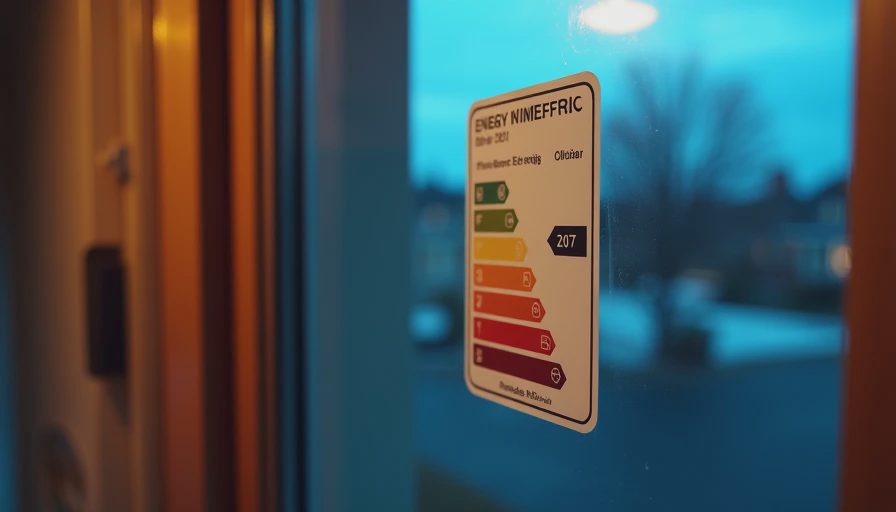
If you've been shopping for replacement windows, you may have come across the term window ER rating. It sounds like another number on a sticker, but it can tell you quite a bit about how a window handles cold weather, sunlight, and air leakage. The catch is that ER ratings are mainly used in Canada, while most US windows carry an NFRC label instead.
I've replaced windows on plenty of cold-climate houses. The number on the glass matters, but it isn't the whole job. A high-performing window installed badly will still leave you with a cold frame, a wet sill, or a draft around the trim. Here's how to read the rating and use it without getting talked into features you don't need.
What a window ER rating actually measures
A window ER rating, or Energy Rating, combines several performance factors into one score. The calculation considers heat loss through the window, useful solar heat gain, and air leakage. A higher score generally indicates better overall energy performance under the Canadian rating system.
That sounds simple, but the score isn't the same thing as a window's U-factor. U-factor measures how quickly heat moves through the window. Lower is better. A window with a U-factor around 0.27 is generally a strong choice for many cold-climate homes, while an older double-pane window might be closer to 0.45 or worse.
Solar heat gain matters too. A window with a higher solar heat gain coefficient allows more sunlight and heat inside. That can help a south-facing room in Minneapolis during January, but it can make a west-facing bedroom uncomfortable in July. The best number depends on the room, direction, shade, and your heating and cooling needs.
Air leakage is the part homeowners often feel first. It describes how much air passes through gaps in the window assembly under a pressure test. Lower air leakage is better. No rating can rescue a frame that is out of square or a rough opening packed with fiberglass instead of properly sealed.
Why the ER number can be confusing in the United States
The window ER rating is useful for understanding the relationship between heat loss and solar gain, but most US shoppers should start with the NFRC label. NFRC labels normally show U-factor, solar heat gain coefficient, visible transmittance, air leakage, and condensation resistance. Those numbers give you more detail than one combined score.
Think of ER as a summary number and the NFRC label as the inspection report. If you live in Minnesota, Wisconsin, Michigan, Colorado, or upstate New York, pay close attention to U-factor and air leakage first. A low U-factor helps keep the inside glass warmer. Tight air control reduces the moving draft that makes a room feel colder than the thermostat suggests.
The window ER rating also shouldn't be used to compare products from different rating systems without checking the test standard. Canadian and US labels are related, but the numbers aren't always a clean apples-to-apples comparison. Ask the dealer which label applies to the exact product and glass package being quoted.
A real-world example from a cold-climate house
I worked on a 1998 two-story colonial where the homeowner blamed the furnace for a freezing upstairs bedroom. The furnace was fine. The old window had a loose sash, cracked exterior caulk, and an installation gap hidden behind the casing. On a windy night, you could feel the air move before you could see the curtain shift.
The replacement window had better glass, but the bigger improvement came from the installation. We removed the interior trim, checked the opening, fastened the unit through the manufacturer-approved points, insulated the gap with low-expansion window foam, and sealed the exterior with compatible flashing tape and sealant. The homeowner noticed the difference that night.
That job is why I don't chase a window ER rating while ignoring the opening around it. A premium window in a leaky wall is like buying a warm coat and leaving the zipper open. Before ordering, look for stained drywall, soft sill wood, missing head flashing, and gaps where the trim meets the wall. Those clues often point to an installation problem rather than a glass problem.
What numbers should you look for?
For a cold-climate replacement project, I usually start by looking for a U-factor of 0.30 or lower. Around 0.27 is a sensible target for many homes, although the right choice depends on the frame, glass package, and budget. Lower isn't automatically worth a large premium if the opening is small or the rest of the house has major air leaks.
For air leakage, lower is better. A published value near 0.10 cubic feet per minute per square foot is strong, but compare products using the same test method. Condensation resistance is also valuable in cold areas. A higher number suggests the interior surface is less likely to collect moisture, though indoor humidity and furniture placement still matter.
Use the window ER rating as a shortcut when the product is sold under that system. For US products, read the individual NFRC values instead of asking a salesperson for one magic number. A salesperson who cannot show the actual label for the quoted glass and frame combination is asking you to buy on trust.
Glass packages, frames, and installation cost
Double-pane windows with low-emissivity glass and argon gas are common and can perform well. Triple-pane units usually provide better insulation and a warmer interior surface, but they cost more and weigh more. On a typical replacement project, triple-pane windows can add roughly $150 to $400 per opening over a comparable double-pane unit, depending on size and brand.
Installed replacement window costs often land between $600 and $1,500 per opening for ordinary vinyl units. Full-frame replacements, custom sizes, difficult access, interior repair, and rot can push that figure to $2,000 or more. A contractor may quote $10,000 to $18,000 for a whole-house project with 12 to 15 windows, but compare the scope carefully.
A good window ER rating does not tell you whether the contractor will reuse rotten sill framing, skip flashing, or cover a problem with caulk. The written estimate should state whether the work is an insert replacement or a full-frame installation, what happens to damaged wood, and how the exterior trim will be sealed.
How to compare window quotes without getting burned
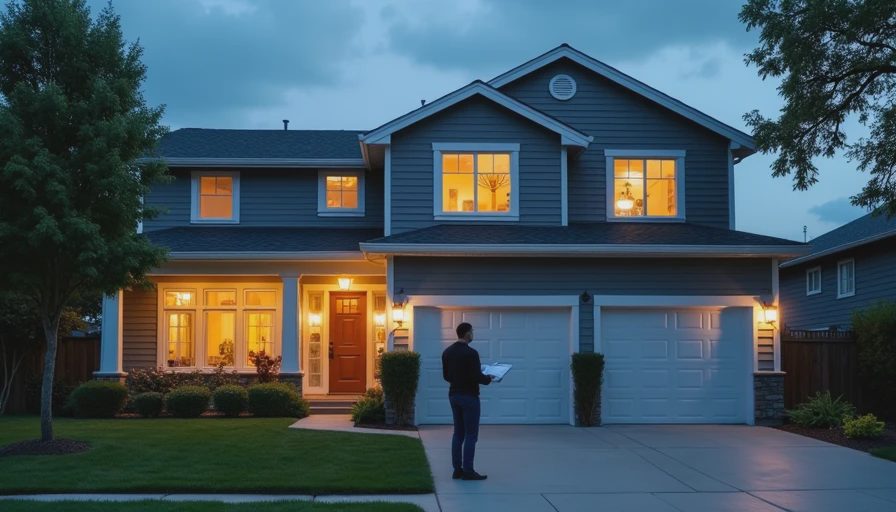
Start by making every contractor quote the same openings. If one company includes basement windows, interior trim, disposal, and new exterior capping while another does not, the lower price isn't really lower.
Next, request the exact manufacturer, series, frame material, glass package, U-factor, air leakage value, and warranty. The window ER rating or NFRC label should match the product in the contract, not a nicer model shown in the showroom. Ask who handles warranty service if the glass fogs or the sash fails.
Then inspect the installation plan. I want to see sill pan protection where the opening requires it, shims at the correct points, low-expansion foam around the frame, and an exterior seal that can move with temperature changes. In a freeze-thaw climate, water management beats a thick bead of caulk every time.
Finally, ask for two or three addresses where the crew completed similar work. You don't need a sales pitch. You need to see whether the trim is straight, the caulk lines are clean, and the siding around the windows still looks undamaged.
Is a higher ER rating worth paying for?
Sometimes. If you have drafty north-facing windows, high heating bills, interior condensation, or rooms that never feel comfortable, better glass and tighter construction can be worthwhile. Triple-pane windows make the most sense during a full replacement, especially when the frame and surrounding wall are also in good shape.
But don't spend an extra $5,000 chasing a small rating improvement while your attic is underinsulated, bathroom fans dump into the attic, or the rim joists leak air. Seal the big holes first. A $300 air-sealing visit can sometimes improve comfort more than an expensive upgrade on one window.
Use the window ER rating as one piece of the decision, not the decision itself. Check the detailed performance label, study the opening, and judge the installation plan. I've been on that roof. Let me save you the trip: the best window is the one with solid numbers, a sensible price, and a crew that knows where water goes when the snow melts.
Stay warm. Stay dry. — Dean

No notes on this sheet yet.