A freeze-thaw climate roof has a harder job than a roof in a mild, steady climate. Water gets into a small crack, freezes, expands, then melts before the next cold snap. That cycle works on shingles, flashing, vents, gutters, and the wood underneath. After 14 years in exterior work, I've seen a decent roof last twenty years and a poorly detailed one leak before its fifth winter. The difference usually wasn't the most expensive shingle. It was the installation.
Why freeze-thaw cycles damage roofs
A roof rarely fails because one cold night was too cold. It fails because moisture finds a weak point and gets repeated chances to work on it. An exposed nail, lifted shingle tab, loose pipe boot, or cracked chimney joint can admit water. When that water freezes, it expands inside the opening. When the sun warms the roof, the water moves again.
Snow makes the problem worse. Warm air leaking from the attic can heat the roof deck, melt snow above a cold eave, and create an ice dam. The dam backs water under the shingles. On houses I've inspected in Minneapolis, the stain on the ceiling was often 10 feet away from the actual entry point. Water followed rafters before dropping into the room.
A reliable freeze-thaw climate roof needs three things working together: water-shedding shingles, correctly installed flashing, and an attic that can dry and vent. Replacing shingles while ignoring an unsealed bath fan or blocked soffit vent is how homeowners pay twice.
Choosing shingles for a freeze-thaw climate roof
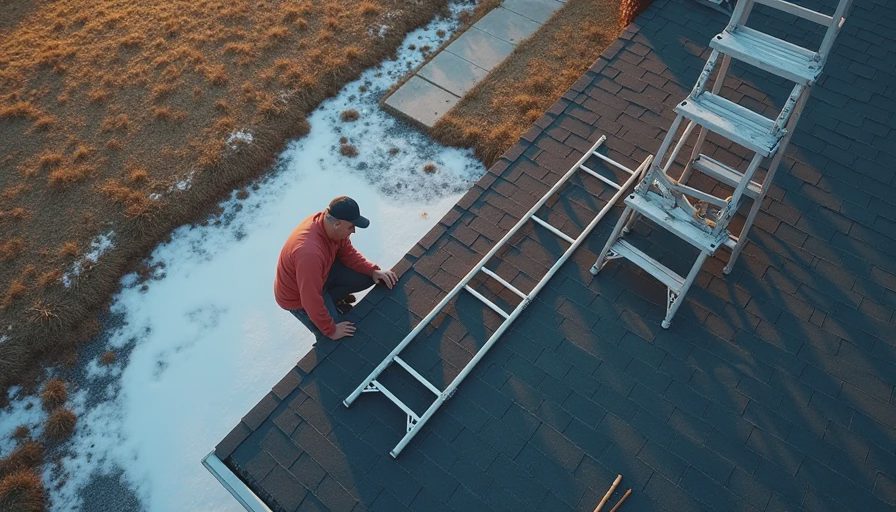
For most cold-climate houses, architectural asphalt shingles are the practical starting point. They typically cost less than premium materials and are easier to repair. Installed pricing often lands around $5,500 to $11,000 for an average 1,500- to 2,000-square-foot roof, depending on layers, pitch, access, and local labor. A 30-year or 40-year rating is useful, but it isn't a promise that the roof will last that long.
Look for shingles with a good wind rating, a credible impact rating if hail is common, and installation instructions your contractor follows. CertainTeed Landmark, GAF Timberline HDZ, and Owens Corning Duration are common options. None is magic. A premium shingle installed over wet decking with poor flashing is still a bad roof.
Metal roofing can be a strong choice when the budget supports it. Standing-seam metal often costs $10,000 to $25,000 or more on a house, but it sheds snow well and can last several decades. Ice can slide suddenly, so snow guards may be needed above doors, walkways, and lower roofs. Avoid treating metal as a cure for poor attic ventilation or sloppy penetrations.
Flashing matters more than the brochure
I once inspected a 2004 house in Edina where the shingles looked fine from the driveway. The leak was at a sidewall. The roofer had run step flashing behind the siding but skipped the proper counterflashing detail. Every freeze-thaw cycle opened the joint a little farther. The homeowner had spent nearly $900 on interior repairs before we found the exterior mistake.
On a freeze-thaw climate roof, inspect step flashing at sidewalls, headwall flashing above roof-to-wall joints, and valley metal or membrane. Plumbing boots deserve close attention because the rubber collars become brittle. Chimneys need properly integrated flashing, not a bead of caulk smeared along the top edge. Caulk has a place, but it isn't a substitute for metal that directs water downhill.
Ask a contractor to show these details in the estimate. A vague line saying “flashings as needed” leaves too much room for shortcuts. If a roof-to-wall section is being rebuilt, the crew may need to remove siding temporarily. That adds labor, often $300 to $1,200, but it is cheaper than hiding the problem under new shingles.
Ice dams, ventilation, and insulation
A freeze-thaw climate roof should have a balanced attic ventilation plan. Soffit vents bring in outside air, while ridge, box, or gable vents allow warm air and moisture to escape. More exhaust vents do not fix blocked soffits. In fact, a roof with plenty of ridge vents but no intake air can still perform poorly.
Air sealing comes before simply adding insulation. Recessed lights, plumbing penetrations, attic hatches, and bath fan ducts can leak warm indoor air into the attic. Bath fans should exhaust outdoors, never into loose-fill insulation. Insulation at the eaves also needs proper baffles so it doesn't crush the ventilation path.
Ice-and-water membrane at the eaves and valleys is valuable protection, but it isn't permission to ignore ventilation. On a typical house, ice-dam prevention work might run $1,500 to $4,500 if it includes air sealing, insulation adjustments, and targeted roof repairs. Electric heat cables can help in a problem area, but they use power and need maintenance. They are a backup, not the main design.
What a roof inspection should cover
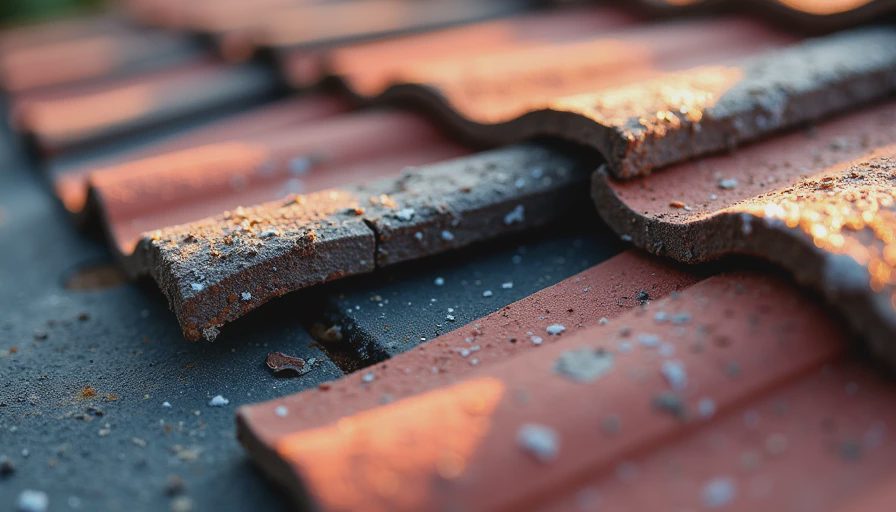
Before approving repairs, walk the property with the inspector or contractor. From the ground, look for missing tabs, dark streaks, uneven roof lines, exposed nails, and metal flashing pulled away from masonry or siding. Inside, check attic sheathing for dark stains, rusty nails, damp insulation, and daylight around vents.
A useful inspection also checks gutters and downspouts. A clogged gutter can hold ice against the roof edge, while a short downspout can saturate soil near the foundation. Extend discharge at least several feet away when possible. Gutters won't solve a roof leak, but they can prevent a small drainage problem from becoming a basement problem.
If decking is soft, replacement is necessary. Plywood replacement commonly adds roughly $70 to $120 per sheet installed, though difficult access and regional labor can push that higher. Get the contractor to document damaged areas with photos. That keeps the change order tied to visible conditions instead of guesswork.
Repair or replace?
Repair is reasonable when the roof is generally sound and the problem is localized: one damaged boot, a small flashing failure, or a handful of wind-lifted shingles. A straightforward repair may cost $250 to $900. If you see several leak locations, widespread granule loss, brittle shingles, or repeated patching around the same chimney, replacement deserves a serious look.
A new freeze-thaw climate roof is usually justified when the existing shingles are near the end of their useful life and the underlayment or flashing needs work across multiple areas. On a typical suburban house, a complete asphalt replacement often falls between $8,000 and $16,000. Steep pitches, multiple layers, skylights, and extensive decking can move that number quickly.
Don't let a contractor sell you a full replacement solely because of one ceiling stain. Find the entry point first. Conversely, don't let a low repair quote hide a roof that has been patched every spring for five years. Short-term savings disappear when interior drywall, insulation, and framing get involved.
Questions to ask before signing
Ask what underlayment will be used, how many layers will be removed, and whether damaged decking is included or billed separately. Ask for the exact shingle product, ventilation plan, ice-and-water membrane locations, and flashing approach at chimneys and sidewalls. Ask who handles permits and cleanup, and whether the workmanship warranty is written.
Call at least three contractors, but compare the scopes instead of picking the smallest number. A $7,000 estimate that excludes tear-off, disposal, ridge vent work, and several sheets of decking is not cheaper than a $10,000 estimate that includes them. A good roofer will answer direct questions without getting defensive.
I've been on that roof. Let me save you the trip: spend your attention on water paths and installation details, not just the shingle color. A properly planned freeze-thaw climate roof won't prevent every winter problem, but it will give your house a far better chance of staying dry through years of freezing, thawing, and heavy snow.
Stay warm. Stay dry. — Dean




No notes on this sheet yet.