I showed up to a 2006 colonial in St. Paul after the owner noticed brown streaks under the windows. The old vinyl had been patched twice, and the lower corners were soft from splashback. He was asking about vertical metal siding for houses because he wanted something that would look clean and hold up through Minnesota winters. That’s a fair question. Metal can be a smart move if the wall is detailed right. It can also be an expensive headache if the installer treats it like decoration instead of a weather system.
Why it works in snow country
With vertical metal siding for houses, the big win is simple: water sheds fast. Snow melts, runs down the panels, and leaves quicker than it does on a lot of horizontal lap products. That matters on the north side of a house where the sun doesn’t do much and the freeze-thaw cycle keeps chewing on paint and caulk. A vertical profile also gives a house a cleaner, more modern look without needing a full remodel.
I’ve used it on simple colonials, gables, and garage faces where the owner wanted something tougher than vinyl but didn’t want the upkeep of wood. It can look great on a straight run with clean trim. It looks less friendly on a house with too many bump-outs, odd roof lines, or fancy bracket work. The material won’t hide a bad wall layout.
What sells most homeowners is durability. Good metal panels shrug off rot, don’t feed insects, and don’t need paint every few years like cedar. They also take hail and ladder marks better than a lot of soft materials, though they’re not magic. Hard impacts can still dent them. If you’ve ever seen a garage door after a hail storm, you know the idea.
The panel, finish, and trim choices that matter
The panel itself is only part of the story. Most residential systems are steel or aluminum, and I’m usually steering people toward steel unless the budget or corrosion issues point another way. Steel is stiffer, dents less easily, and gives you a better shot at a crisp wall line. Aluminum is lighter and won’t rust, but it dents easier. For finish, I like a factory coating that’s built for color retention, not a cheap coat that starts chalking after a few summers.
If you’re shopping systems, ask what gauge the steel is, what the finish warranty covers, and whether the trim package is made to match. A thin panel with a weak trim package looks fine on day one and tired by year three. The corner trim, J-channel, and flashing matter as much as the field panels. That’s where water either gets managed or gets handed a shovel.
The style matters too. Some homeowners want board-and-batten metal because it gives a vertical rhythm that feels traditional without looking like barn siding. Others want a flatter panel that reads more like a modern remodel. Both can work. What you want to avoid is a system built from three different product lines because the supplier ran out of matching parts. That’s how you end up with mismatched colors, sloppy joints, and a wall that looks patched before it’s finished.
The install details that keep water moving
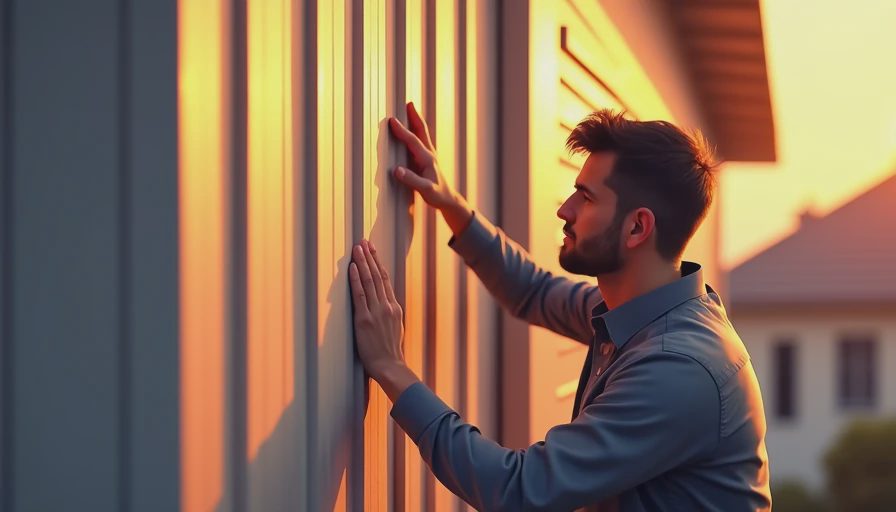
This is where the job lives or dies. I’ve torn off metal and fiber cement in the same week where one wall was dry and the other was a sponge, and the difference was never the siding alone. It was the flashing and the drainage plane. A good crew tapes the sheathing seams where needed, flashes the windows correctly, and gives the wall a path to drain and dry. A lazy crew just hangs pretty metal over bad prep and calls it done.
On a house in Edina, I found a bottom course that looked perfect from the street. Behind it, the builder had skipped proper window flashing and left the wall with nowhere for incidental water to go. The OSB at the bottom edge was black. That house taught me the same lesson I’ve seen on a dozen others: if the wall assembly is wrong, the siding is just the jacket.
A ventilated rainscreen is worth serious thought on this kind of cladding, especially on a cold-climate house that sees wind-driven rain. It adds a gap behind the siding so water can drain and the back side can dry. It costs more upfront, but it’s cheaper than ripping out rotten sheathing later. I’ve been on that roof. Let me save you the trip.
What the job costs, compared with vinyl and fiber cement
For vertical metal siding for houses, labor drives the bill. The panels themselves are only part of it. You’re paying for trim, flashing, corner details, and the time it takes a crew to keep every line straight. A basic steel job often lands around $12 to $20 per square foot installed. Better finishes, more complex trim, or a rainscreen can push that into the $20 to $30 range. On a 2,000-square-foot wall surface, that means you can easily be in the mid-$20,000s to $50,000 or more.
For comparison, a decent vinyl job might come in around $8 to $12 per square foot installed. Fiber cement usually runs higher, often $14 to $22 per square foot, depending on trim and layout. Cedar is its own animal and can cost more once you count staining and upkeep. That doesn’t make metal the right answer for every house. It just means you should compare the real installed number, not the marketing number from the salesman.
The most expensive part is usually the stuff nobody notices from the curb. That’s the flashing behind windows, the custom wrap at corners, the straightness of the starter strip, and the trim around doors and garage openings. If a bid is cheap because it trimmed those details to the bone, it’s not a deal. It’s a future tear-off.
When I’d recommend it and when I wouldn’t
I like this product on older houses that need a tough skin, on garage additions, and on simple homes where a vertical look improves the design instead of fighting it. I also like it for homeowners who are done repainting wood every few years and want something that can go a long time with basic cleaning. If you live where winter is long and the south wall gets hammered by sun, a good finish matters more than fancy talk.
I’d pass if the house has a very ornate exterior, a tight budget, or a crew that doesn’t understand flashing and trim. In those cases, a well-installed vinyl or fiber cement job can be a smarter spend. The best material is the one that fits the house and gets installed by somebody who knows where the water goes.
Maintenance and the questions to ask a contractor
The upkeep is pretty mild. Wash it when it looks dirty, keep mulch and soil off the bottom edge, and check sealant at penetrations every so often. If you see dents, chips, or failed caulk around windows, fix them before water finds the backside. That’s true of any cladding, but metal makes the problem easier to spot.
If you’re getting bids for vertical metal siding for houses, ask three things right away: what gauge the panel is, what finish system it uses, and how the wall is flashed and drained. If the contractor can’t answer in plain English, keep looking. A good bid should tell you the panel profile, the trim package, the underlayment, and whether there’s a rainscreen behind it. That’s the stuff that makes the wall last.
I don’t think every house needs metal. I do think a lot of homeowners would be happier with it than they expect, especially after one more winter of peeling paint or warped siding. Get the details right, and it’s a solid exterior investment. Stay warm. Stay dry. — Dean





No notes on this sheet yet.