I’ve had homeowners ask me about steel siding that looks like wood after a wet spring chews up their cedar trim or after one more winter of peeling paint. The pitch is simple: get the grain look without the rot, the endless repainting, or the soft spots that show up around windows and at the bottom course. In a cold climate, that matters. I’ve been on houses where the back wall stayed damp for years because the siding let water in at nail holes and bad flashings. Steel changes the game when it’s installed right, but it’s not a magic fix and it’s not the cheapest way to skin a house.
What you’re actually buying
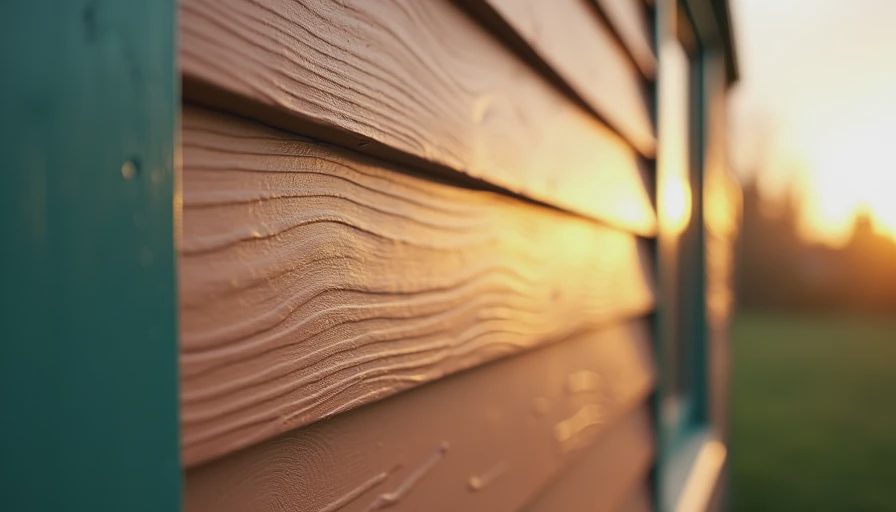
Steel siding systems that mimic wood usually come as prefinished panels, planks, or shakes with an embossed grain. The steel is coated before it gets to the jobsite, so you’re not painting raw metal on the side of the house. Most of the decent stuff has a factory finish that holds color better than field-applied paint, and the surface won’t soak up moisture like cedar or engineered wood. That’s the big win in places with freeze-thaw cycles. You don’t get swelling, cupping, or the split ends that start when water gets in and then freezes.
I like steel for homes with simple rooflines and straight walls. A 1990s colonial, split-level, or ranch can take it well. It can look sharp on a house with stone accents, new black windows, and clean trim. The look falls apart when someone tries to stretch it across a bunch of bump-outs, fake beams, and weird corners without paying attention to trim details. Then it starts looking like a product brochure, not a house.
The other thing homeowners should know is that steel is still metal. It can dent. Kids’ baseballs, a dropped ladder, or a careless plow guy can leave a mark. But compared with wood rot or vinyl buckling, that’s a trade I’d take on the right house.

What it costs and what pushes the number up
On a typical 2,000-square-foot house, I’d budget $18,000 to $32,000 installed for a good steel system, with the trim package, house wrap, and flashing done right. If the crew has to tear off old siding, repair sheathing, replace rotten window trim, or rebuild soffit and fascia, the number climbs fast. A clean reside on a simple ranch can land on the low end. A two-story with lots of corners and a full trim overhaul can run well past that.
The cost of steel siding that looks like wood is usually higher than vinyl and often in the same ballpark as fiber cement, depending on the brand and profile. The labor matters as much as the panel price. I’ve seen people try to save money by skimping on trim or by leaving bad window flashing in place. That’s the kind of shortcut that turns a nice product into a leak report.
If you’re getting bids, look for line items that mention tear-off, house wrap, flashing, corner trim, J-channel or equivalent trim pieces, and disposal. If the bid is just a lump sum with a shiny product name, ask what’s included. A cheaper bid can look good until you realize the contractor left out the soft spots you already know are there.
The installation details that matter in cold weather
This is where the job is won or lost. Steel siding does not forgive sloppy prep. The wall needs to be flat, dry, and flashed correctly before the first panel goes up. I want properly integrated house wrap, taped seams where needed, and clean metal flashing at windows, doors, and transitions. If the old siding has hidden rot, fix it before you cover it. Don’t bury the problem and hope the new siding “protects” it. That’s how I’ve found mushy sheathing behind pretty walls.
Cut edges need attention too. Good crews touch up cut ends where the manufacturer allows it, keep fasteners where they belong, and avoid overdriving nails or screws. Leave room for movement at trims. Steel moves less than vinyl, but it still moves. If someone traps a panel too tight against a corner or a trim return, you’ll hear about it when the temperature swings.
I also pay attention to the bottom edge of the wall. Snowbanks, splashback, and mower abuse hit that area first. On a house with bad grading or short roof overhangs, I want extra care there. That edge is where cheap installs get punished.
Where it beats wood, vinyl, and fiber cement
If you want the wood look without the upkeep, this is where steel earns its keep. Cedar looks great, but it wants stain, paint, and repairs. Vinyl is cheaper, but in cold weather it can get brittle, wave a little, and look soft around details. Fiber cement is tough and looks good painted, but it’s heavier, needs careful cutting, and usually wants repainting down the road. Steel sits in the middle. It gives you a crisp profile, decent impact resistance, and no rot.
I’ve seen it make the most sense on homes where the owners are done with painting every few years and don’t want to pay for real wood trim maintenance. It’s also a good fit when the neighborhood wants a warm, traditional look but the homeowner wants a low-maintenance exterior. That said, if the house has a lot of ornate trim or the budget is tight, vinyl or fiber cement may give you more value for the dollar.
One Minnesota job sticks with me. The owner had cedar on the sunny side and hardboard on the shaded side. The cedar was splitting, the hardboard was swelling, and both were costing money every spring. We switched to steel on the main walls, kept a few natural wood accents at the porch, and the whole place stopped fighting him.
What I’d ask before I signed the contract
Ask where the product is made, what the finish warranty covers, and how the contractor handles trim around windows, doors, and inside corners. Ask whether rotten sheathing will be replaced on a per-sheet basis or by some vague allowance. Ask how the crew will flash the openings and what happens if they uncover hidden damage. Those are the questions that separate a real exterior contractor from someone selling a pretty panel.
I’d also ask for addresses of recent jobs, not just photos. Photos can hide a lot. Drive by if you can. Look at the bottom course, the corner trim, and the way the panels meet the window heads. If you see clean lines and no wavy edges, that tells you more than a brochure does.
If you want steel siding that looks like wood, buy it for the right reasons. Buy it because you’re tired of rot, tired of paint, and tired of paying twice for the same wall. Put the money into prep, flashing, and trim, and it can be a strong long-term choice for a cold-climate house. Cut corners, and you’ll just have expensive siding over the same old problems. I’ve been on that roof. Let me save you the trip.





No notes on this sheet yet.