If you are asking how much should siding cost, the honest answer is that the material matters less than the whole scope. I have seen a simple vinyl job come in around $12,000 and a more involved fiber cement project on the same size house land near $28,000. The difference is not magic. It is tear-off, trim, labor, house wrap, window details, and the ugly surprises hiding under the old siding.
On a cold-climate house, freeze-thaw damage changes the math fast. A few cracked boards can be a cheap repair. Rot at the bottom edge, missing flashing, and soft sheathing turn a siding job into a wall rebuild. That is why a clean estimate is worth more than a low one.
What actually moves the price
The first thing I look at is how much tear-off is involved. Pulling off one layer of vinyl is pretty straightforward. Pulling off old cedar, aluminum, or layers that have been patched for years slows the crew down and adds dump fees. On a one-story ranch, a two-man crew can move fast. On a two-story colonial with dormers, bump-outs, and a steep front elevation, you need more ladders, more time, and usually a third guy on site.
The second piece is the wall itself. If the sheathing is sound and the house wrap is already doing its job, the install goes smoother. If the crew opens a wall and finds soft OSB around windows or at the bottom course, the bill climbs. That is not a rip-off. That is the part most homeowners never see until the old siding comes off.
Trim matters too. Corner boards, fascia, frieze boards, window trim, and J-channel all add labor and materials. A plain box with few windows is one thing. A house with lots of bump-outs and decorative trim can cost several thousand more before you even pick the siding brand.
Real price ranges by material
If you want a straight answer on how much should siding cost, material is the easiest place to start. For installed pricing, basic vinyl often runs about $8 to $14 per square foot. Better insulated vinyl can push closer to $10 to $16. It is still the budget option for a lot of homeowners, and it works fine when it is installed flat and detailed right.
Fiber cement usually lands around $12 to $20 per square foot installed. James Hardie is the name most people recognize here, and for good reason. It is heavy, it needs the right cutting and fastening routine, and it usually takes more labor than vinyl. But it holds paint well and looks closer to painted wood.
Engineered wood, like LP SmartSide, often sits in the $10 to $18 range installed. I have installed plenty of it. It is lighter than fiber cement and faster to work with, but you still need good flashing and ground clearance. Cedar can run from $15 to $30 or more per square foot installed, depending on grade and finish. It looks great when it is done right, but it is not the low-maintenance choice.
For a typical 2,000-square-foot house, that can mean roughly $16,000 to $30,000 for vinyl, $24,000 to $40,000 for fiber cement, and $30,000 plus for cedar once trim and details are included.
The hidden costs that catch homeowners
This is where estimates get messy. A siding bid that looks fair on paper can jump when the crew finds rotten rim board, bad window flashing, or missing building paper. I have seen a project add $1,500 to $4,000 just from replacing damaged sheathing and trim after tear-off. If the house has a deck ledger tied into the wall with poor flashing, that can add more time and more material.
Cold-weather homes also need the right small stuff. Starter strips, drip cap, proper flashing tape, and house wrap are not the flashy line items, but they keep water out. I have been on jobs where the homeowner wanted the cheapest bid, and the crew skipped the detail work. Two winters later, the bottom edge was swollen and the window corners were staining. That is how a bargain turns into a second bill.
If the contractor quotes a price that seems too good, ask what happens when the crew opens the walls. A real estimate should explain whether rot repair is included by the board, by the hour, or not at all.

Repair, patch, or full replacement?
Not every house needs a full tear-off. If the damage is limited to one wall, a handful of cracked panels, or a section hit by a storm, repair can make sense. A small siding patch might run $500 to $2,500 depending on access and matching material. That is a lot easier to swallow than a full replacement.
Full replacement starts to make more sense when the siding is brittle all over, the color is faded enough that matching is hopeless, or the bottom courses are soft in more than one place. Once rot is spread around windows and corners, patching becomes a way to delay the real fix. I have seen homeowners spend money on three separate repairs over five years when a full replacement would have cost less in the end.
If the house is from the 1980s or 1990s and the original siding is near the end of its life, I usually tell people to think in terms of the next 20 years, not the next two.
How to compare bids without getting burned
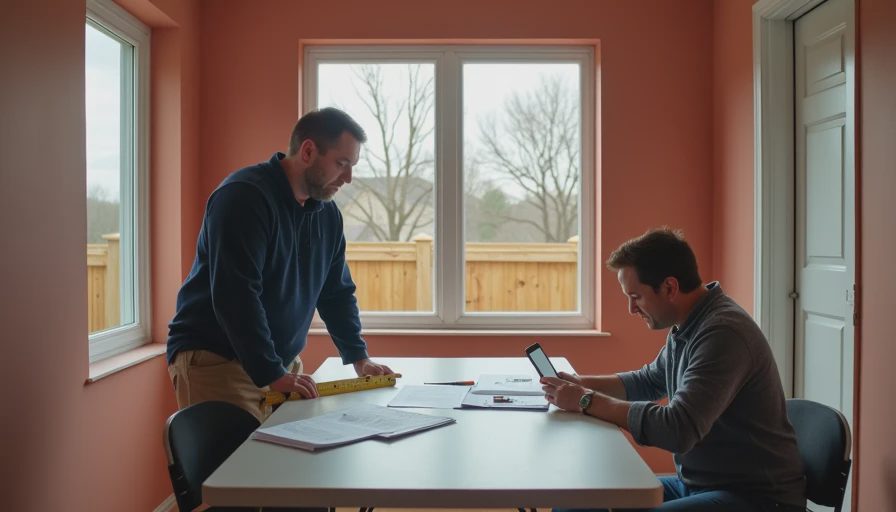
When people ask how much should siding cost for a normal house, I tell them to compare scope before price. Two bids can both say siding, but one may include tear-off, disposal, new house wrap, trim, and flashing while the other only covers the panels themselves. That is how a low bid looks good until change orders start showing up.
Ask for the exact product line, thickness, trim package, underlayment, and whether the quote includes replacing damaged sheathing. If the contractor will not spell out the labor and material split, that is a problem. Good bids are not vague. They tell you what gets removed, what gets replaced, and what gets sealed back up.
I also like to see three bids within roughly 10 to 15 percent of each other. If one price is way under the rest, something is missing. If one is way over, there had better be a clear reason like premium trim, more rot repair, or a harder roofline.
A simple way to judge the number
Here is the quick test I use. If the house is simple, the siding is standard, and the walls are sound, the price should feel boring. If the house has lots of cuts, trim, dormers, and hidden damage, the number should rise in a way you can explain line by line. That is how much should siding cost in the real world: not a mystery, just a stack of labor, materials, and whatever the wall decides to reveal.
If you are sitting on one estimate and wondering whether it is high, ask for the scope in plain English. Ask what happens if the crew finds rot. Ask whether flashing and trim are included. Ask how they handle cleanup and disposal. A good contractor answers those questions without dancing around them.
I have been on that ladder, and I have seen plenty of houses where the cheapest number ended up being the most expensive choice. Stay warm. Stay dry. — Dean





No notes on this sheet yet.