If you're asking how long does wood siding last, the honest answer is that good wood can live a long time, but only if it stays dry and gets paint on schedule. I’ve torn off cedar that made it 35 years in a cold climate, and I’ve seen cheaper lap siding start going soft in 12 because a gutter leaked and nobody fixed the splashback. The siding itself is only part of the story. Roof runoff, caulk joints, window flashing, and snow sitting against the wall matter just as much.
How long does wood siding last in a cold climate?
On a well-built house, cedar siding often lands in the 20- to 40-year range. Pine or other softwood siding can do fine too, but I usually expect 15 to 25 years before the maintenance gets expensive. If the house has generous roof overhangs, decent gutters, and paint that was kept fresh, I’ve seen wood siding push past 30 years without looking like a disaster.
The reverse is true as well. A house with bad drainage, tight tree cover, and neglected paint can look tired in under 15 years. North-facing walls usually age slower from sun, but they stay damp longer. South and west walls dry out faster, then split and peel faster. In Minneapolis, I’ve walked jobs where the bottom 12 inches were rotten while the upper wall still looked decent. The lesson was simple: the failure started at the base, not in the middle.
What changes the clock most is maintenance. Fresh paint every 7 to 10 years keeps water out. Stain needs attention sooner, often every 3 to 5 years, depending on exposure. Caulk joints are not forever either. Once the seal cracks around windows, corners, and trim boards, water starts sneaking behind the siding and the clock speeds up.
What shortens the life before the wood ever had a chance
The worst problems are usually boring ones. A clogged gutter dumps water in one spot. A short downspout splashes mud on the lower courses. A sprinkler hits the wall every morning. A deck ledger traps moisture against the siding. I’ve also seen plenty of bad installs where the boards touched roofing, concrete, or soil. Wood should not sit tight to grade, and it should never be installed where it can’t dry.
Flashing mistakes are a big deal too. Windows need proper head flashing. Butt joints need sealing that actually lasts. End grain drinks water like a sponge if it’s left raw. Back-priming helps, but a lot of cheap jobs skipped it. That’s why two houses on the same street can age very differently. One was detailed right. The other was built to be “good enough” until the first ugly winter.
If you want the fast version, think of wood siding as a system. The boards can be good, but the roof, trim, and drainage decide whether the wall stays solid. When those pieces work together, the siding lasts. When they don’t, the paint keeps failing and rot shows up at the corners, the sills, and the lower courses first.
Signs the siding still has life
A homeowner can usually tell a lot with a close look and a screwdriver. If the paint is chalky but the boards are still hard, that’s a maintenance problem, not a replacement problem. If the caulk is split but the wood underneath is solid, you may get another good stretch out of it with scraping, priming, and repainting.
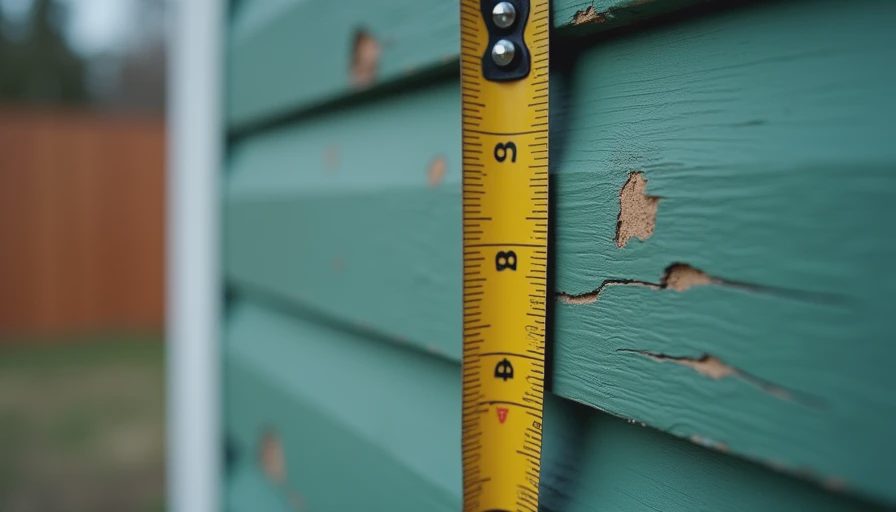
What I look for is soft wood, swelling around joints, and cupping that won’t lay flat anymore. Peeling paint at the bottom edge is common. Soft spots under a window are worse. If you press a screwdriver into the board and it sinks in easily, that section is done. A little mildew is not the same as rot. Mildew cleans off. Rot means the wood has started breaking down.
When people ask how long does wood siding last, I tell them to ignore the calendar and look at the failure points. A 25-year-old wall with good paint and no soft spots can keep going. A 10-year-old wall with bad flashing and dark stains near the trim may already be in trouble.
Repair, repaint, or replace
If the damage is limited, repair is usually the smartest move. Swapping a few boards, fixing the flashing, and repainting can run a few hundred dollars on a small patch job and into the low thousands if several elevations need attention. A full repaint on a typical two-story house often lands somewhere around $6,000 to $14,000, depending on prep and access. That’s not cheap, but it’s a lot less than a full tear-off.
Replacement costs depend on what you choose next. Engineered wood, fiber cement, and cedar all live in different price bands. On a typical single-family house, full replacement can range from the high teens into the $30,000s, especially if trim, house wrap, and flashing need work too. Cedar looks great and can last a long time, but it needs discipline. Fiber cement lasts longer with less maintenance. Engineered wood sits in the middle and can be a solid value if it’s installed right.
The mistake I see is buying the “better” material and skipping the details. If the installer leaves the bottom edge too close to grade or forgets flashing, even expensive siding gets punished. Material matters. Installation matters more.
My rule before I tell a homeowner to replace it
If the rot is isolated to a few boards, repair it. If the paint is failing but the wood is still sound, repaint it. If you have repeated peeling, soft lower courses, bad window details, and a history of leaks, replacement starts to make sense. At that point you’re not paying for a prettier wall. You’re buying back dry structure.
I’ve stood in yards with homeowners who wanted a simple answer, and that’s fair. The answer is this: wood siding can treat you well, but it doesn’t forgive bad water management. Keep the gutters clean, keep grade and snow away from the wall, maintain the paint, and fix flashing before it turns into rot. Do that, and the siding can last longer than most people expect.
If you’re staring at peeling boards or a soft spot at the bottom course, get a real exterior estimate before the damage spreads. I’ve been on that roof. Let me save you the trip.





No notes on this sheet yet.