I showed up to a place in St. Paul a few winters back where the south wall was a mess. The vinyl had gone wavy around the windows, and the homeowner was convinced the whole house was failing. The rest of the siding was fine, but the sun and freeze-thaw had done what they always do: exposed weak install work. That’s the real hardiplank vs vinyl siding question. It’s not just which board looks nicer in the yard. It’s which one holds up when the house gets blasted by January wind, summer heat, and a crew that may or may not know what they’re doing.
Hardie Plank is a fiber cement product. Vinyl is PVC. That sounds simple, but the behavior is different once it’s nailed to a wall. Vinyl moves a lot with temperature. Hardie is heavier, stiffer, and more forgiving on a house that gets hit with hail, blazing sun, or a lot of wet-dry cycles. If you want the short version: vinyl usually costs less and goes up faster. Hardie usually looks more solid and takes abuse better. The right choice depends on budget, how long you’re staying, and whether you want a low-cost refresh or a tougher shell around the house.
The first thing I look at is the house itself. A straight ranch with simple walls is easy for either product. A 2-story colonial with bump-outs, lots of trim, and ugly old caulk lines tells a different story. Vinyl is forgiving because it’s light and the accessories are cheap. Hardie is less forgiving, but it gives you a cleaner finished look when the crew cuts corners less and flashes things right. On hardiplank vs vinyl siding, the material matters, but the install matters more. I’ve seen cheap vinyl jobs that lasted 20 years because they were hung right, and expensive fiber cement jobs that failed early because the walls were never flashed properly.
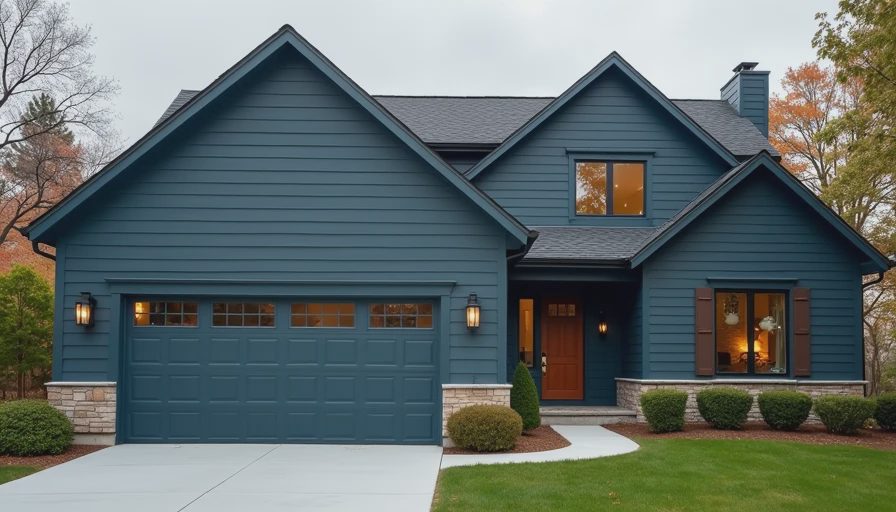
What the money usually looks like
If you’re comparing bids, don’t just stare at the bottom line. On a typical Midwest ranch, vinyl siding replacement might run about $8,000 to $14,000 installed if the walls are straightforward and the crew is doing tear-off, house wrap, trim, and basic accessories. A larger two-story home can land in the $14,000 to $22,000 range, and insulated vinyl can push higher. Hardie usually starts around $15,000 to $25,000 for a similar-sized house, then climbs when you add more trim, more stories, better soffit work, or a full paint job after install.
That gap is why a lot of homeowners land on vinyl. I get it. If the furnace just died or the driveway needs replacement, saving five figures matters. But price alone can fool you. Fiber cement is heavier, so labor takes longer. It also needs proper clearances, corrosion-resistant fasteners, and good cutting practices to avoid a dusty mess. That extra work costs money, but it’s part of why the finished wall tends to feel tighter and more substantial.
Where each material earns its keep
Vinyl wins when the budget is tight, the house is simple, and low maintenance is the main goal. You can wash it with a hose and mild soap. If a section gets damaged, a decent crew can swap panels without repainting the whole wall. Color options are better than they used to be, too. For a homeowner who wants the house to look clean again without overthinking the next 20 years, vinyl makes sense.
Hardie wins when you want a firmer look and better resistance to the stuff that punishes homes in cold climates. It handles hail and ladder dings better than thin vinyl. It also tends to hold paint and shadow lines in a way that makes a house look more expensive. I’ve installed enough of it to know the difference on resale. Buyers notice when the siding sits flat and the trim lines are crisp. They also notice when cheap siding looks thin around the corners and soffits.
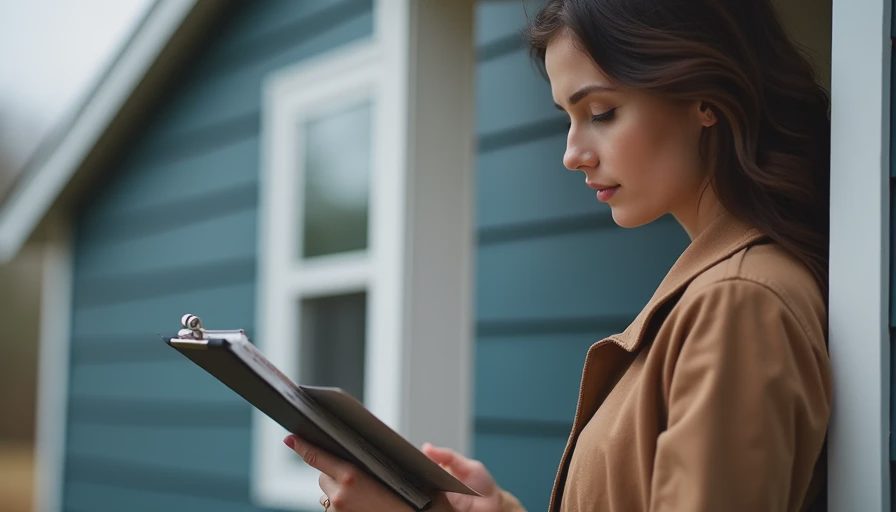
The install details that decide whether it holds up
A lot of bad siding jobs start at the nail gun. Vinyl needs room to move. If the nails are driven tight, the panels buckle when the temperature swings. If the crew ignores starter strips, J-channel, and proper overlaps, you’ll see gaps and noise when the wind picks up. Hardie has its own rules. It needs the right gap at butt joints, good flashing around windows and doors, and the right clearance above roofs, decks, and grade so moisture doesn’t sit there and rot things out.
Here’s the part most homeowners never hear on the estimate: the wall prep is the real job. If the old wrap is torn, the flashing is lazy, or the window trim was installed with a tube of caulk and a prayer, the new siding won’t save you. I’ve been on houses where the siding looked fine from the street but the sheathing behind the bottom course was soft. That’s the kind of problem that turns a cosmetic project into a structural one. If you’re doing hardiplank vs vinyl siding, ask who’s handling flashing, wrap, trim, and final caulking. If the answer is fuzzy, keep shopping.
What I’d tell a neighbor over the fence
If the house is a starter home and the goal is to stop the bleeding without overspending, vinyl is usually the smart move. If you plan to stay a long time, want better curb appeal, and can afford the extra labor, Hardie is hard to beat. On a 1990s colonial in the Twin Cities, I’d lean Hardie if the owner was already replacing windows, trim, or gutters and wanted the whole exterior to feel upgraded at once. If it was a rental, a smaller budget, or a plain house with decent exposure, I’d save the money and do vinyl right.
The biggest mistake is treating the decision like a brand fight. It’s really a house, a budget, and a crew quality question. I’ve seen cheap material installed carefully and perform well. I’ve also seen premium material ruined by bad fastening and sloppy flashing. That’s why I always tell people to compare the scope line by line before they compare the brochure photos. When you understand hardiplank vs vinyl siding in those terms, the choice gets a lot clearer.
Stay warm. Stay dry. — Dean



No notes on this sheet yet.