Last spring, a homeowner in Edina called me about a deck. The old pressure-treated boards were splitting, and he wanted something that wouldn't rot in five years. He mentioned he'd heard about recycled materials in green decking products. I'd installed plenty of composite decks by then, but I hadn't broken down what's actually in them. Let me save you some research time. Recycled materials in green decking products usually means a blend of reclaimed plastic (like milk jugs and grocery bags) and wood fibers from sawdust or mill leftovers. That mix gets heated and pressed into boards that mimic real wood without the splinters or constant staining.
A lot of homeowners think "green" means expensive, but the upfront cost isn't the whole story. Most composite brands — Trex, TimberTech, MoistureShield — use a high percentage of recycled content. Trex, for example, claims about 95% recycled materials in its deck boards, sourced from plastic film and industrial wood waste. That's 400 million pounds of plastic and wood scrap kept out of landfills each year. So when you're weighing the price — roughly $8 to $12 per square foot installed for composite versus $3 to $5 for pressure-treated wood — remember that the green decking will last 25 to 30 years with minimal maintenance, while treated wood starts showing wear after 5 to 7 years, even with annual sealing.
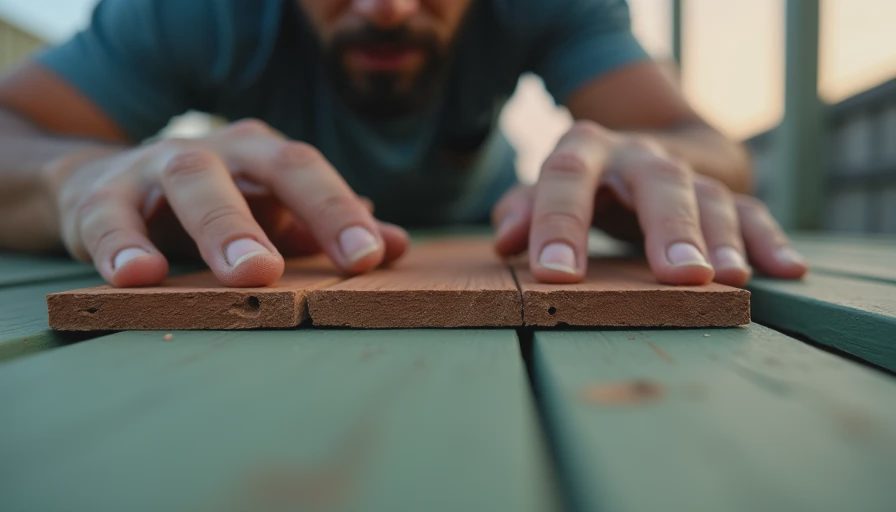
Some folks ask if the recycled content affects the look or durability. Short answer: not in a bad way. The plastic gives the board resistance to moisture and insects; the wood fiber gives it the natural grain appearance you want. I've taken a circular saw to both Trex and TimberTech, and they cut clean with carbide blades. The surface doesn't splinter, and color holds up well if you choose a product with a protective cap — a harder shell that resists scratches and fading. That capped composite runs $10 to $15 per square foot installed, but it's worth it if your deck gets direct afternoon sun or you have kids and dogs running on it.
What Recycled Materials Go Into Green Decking?
Let me break down the typical recipe. First, polyethylene (the plastic used in milk jugs, detergent bottles, and shopping bags). Manufacturers shred that plastic, melt it down, and mix it with wood flour or rice hulls. Second, wood fiber from sawmills — fine ground sawdust or wood chips that would otherwise go to waste. Third, sometimes mineral fillers or colorants. The exact blend varies by brand, but the core idea is the same: take material that would sit in a landfill and turn it into something that will hold up on your deck for decades.
Not all "green" decking is created equal. Some products are polyethylene-based, some polypropylene. Polypropylene tends to be stiffer and lighter, but polyethylene feels more like wood underfoot. I've worked with both. Trex is polyethylene; Fiberon uses a mix. The important thing is the recycled content percentage. Look for brands that advertise "95% recycled content" or "100% recycled materials" — that's not just marketing, it's a measurable difference in environmental impact. Avoid products that only claim "eco-friendly" without numbers.
Another angle: many composite manufacturers now offer a "wood decking alternative" that uses recycled plastic rather than new plastic. That's the heart of recycled materials in green decking products — it closes the loop on waste. If you're the type of homeowner who recycles your own cans and bottles, using a recycled-content deck aligns with the same mindset.
Are Recycled Decks Better Than Treated Wood?
Depends on what you value. If you want the lowest upfront cost and don't mind yearly staining and checking for rot, pressure-treated pine (or cedar) works fine. I grew up building decks with treated lumber, and it does the job for 10 to 15 years with care. But if you value your weekends and want a deck that still looks good at year 20, composite with recycled content wins. I've seen 15-year-old Trex decks that just need a rinse with the hose.
One hidden advantage of recycled materials in green decking products: they don't warp or cup the way wood does in freeze-thaw cycles. I live in Minnesota, where winters go from 20 below to 40 degrees in a day. Treated boards twist; composite stays flat. That's a big deal for railing alignment and avoiding splinters.
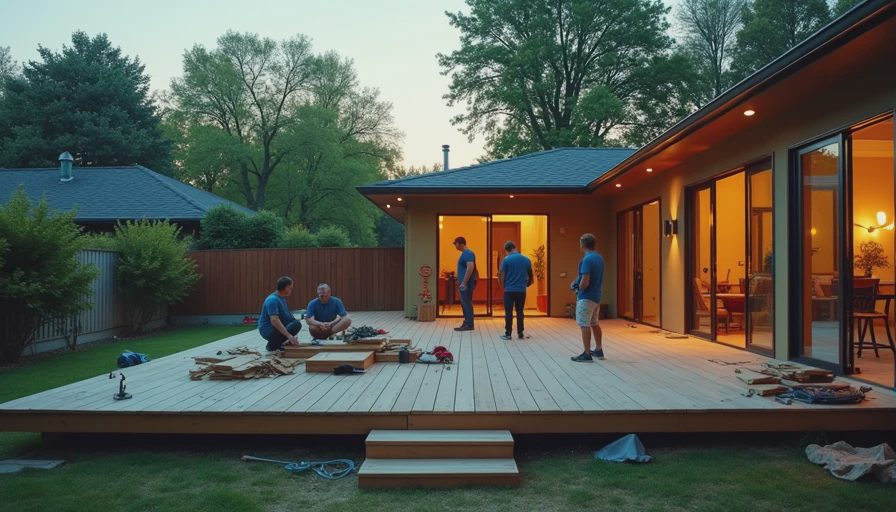
Downside: composite absorbs more heat in direct sun. Dark colors get hot enough to walk on barefoot in July. That's true whether the board is recycled or not, but lighter shades mitigate it. Also, composite scratching can show white streaks, though capped products resist that better.
Cost comparison over 25 years: Pressure-treated wood: install $4,000 (example 300 sq ft), plus $2,000 in staining and repairs every 5 years = total $14,000 plus labor. Composite: install $15,000, zero maintenance. So the recycled option pays for itself over the long haul.
What to Look for When Shopping
Check the warranty. Most composite brands warranty against staining, fading, and structural defects for 25 to 50 years. Look for a "fade and stain" coverage. Also check the recycled content claim. Some brands post a third-party certification like ICC-ES or SCS Global Services. That's more trustworthy than a vague "green" label.
Ask your contractor (or yourself if you're DIY) about the substructure. Old treated wood joists can support composite, but if the joists are spaced more than 16 inches on center, you'll need to add blocking. The composite boards are heavier than wood and need solid support to avoid sagging.
Finally, think about the fasteners. Hidden clip systems (like Camo or Trex Hideaway) give a clean look and eliminate screw holes. They also allow for the thermal expansion of plastic-based boards. Use the right screws if you go face fastening — stainless or coated to avoid rust marks.
A Final Word From Dean
I've installed more composite decks in the last five years than wood. Partly because homeowners like the low maintenance, partly because they care about where the materials come from. Recycled materials in green decking products aren't a gimmick. They're a solid choice for a long-lasting deck that doesn't need weekend tinkering.
If you're in a cold climate, composite handles freeze-thaw better than wood. If you're near the coast, it doesn't rot from salt spray. And if you look at the waste stream, you're building your deck from materials that would have ended up in a dump. That's not a bad thing.
Stay warm. Stay dry.
— Dean




No notes on this sheet yet.