I remember pulling up to a house in Edina a few years back. The homeowner wanted a new deck but didn't want to contribute to another clear-cut forest. He asked about green composite decking. At the time, I'd installed a few composite decks, but the green angle was new to me. I did some digging, talked to suppliers, and ended up building one of the first all-composite decks I'd ever done with that homeowner. That job taught me a lot about what green composite decking really means—and whether it's worth the extra cost.
Composite decking has been around for a while, but the "green" label gets thrown around pretty loosely. In this article, I'll walk you through what makes a decking material truly eco-friendly, how it holds up in a freeze-thaw climate like Minnesota, and what you should expect to pay. If you're thinking about a new deck and want to do right by the environment without sacrificing durability, green composite decking might be your answer.
What Makes Composite Decking "Green"?
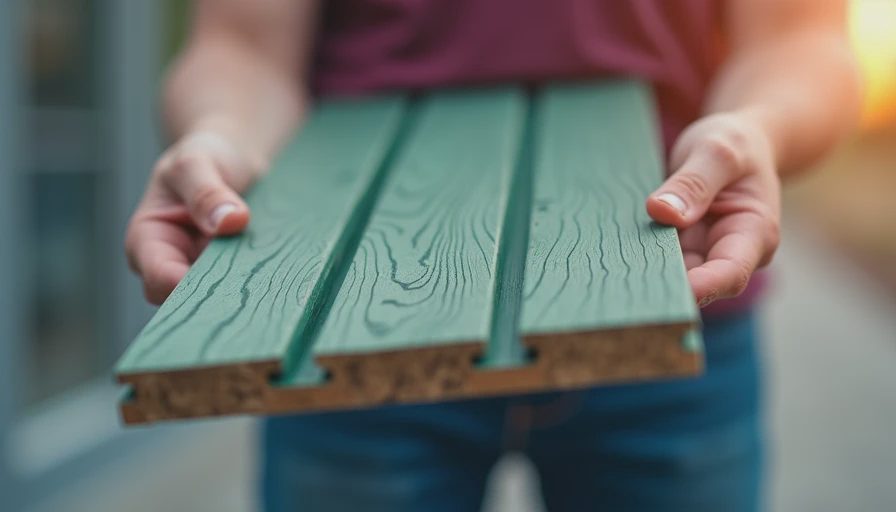
Not all composite decking is created equal when it comes to environmental impact. True green composite decking usually means at least 50% recycled content—often a mix of reclaimed wood fibers and recycled polyethylene plastic. Trex, for example, uses about 95% recycled materials in its decking. TimberTech and Fiberon also have product lines with high recycled content. The manufacturing process matters too: some companies use solar-powered plants or closed-loop water systems. When you're shopping, look for certifications like ICC-ES or GREENGUARD. And stay away from PVC-based composites—they're less eco-friendly because PVC production releases dioxins.
Another thing to consider is the deck's end of life. Green composite decking can't be composted, but it can often be recycled into new products. Some manufacturers have take-back programs. That's way better than pressure-treated wood, which ends up in a landfill and leaches chemicals. So if you're weighing your options, green composite decking reduces demand for virgin lumber and keeps plastic out of the ocean.

How Green Composite Decking Holds Up in Cold Climates
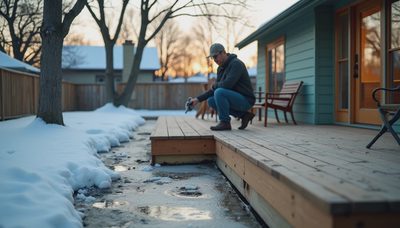
I've seen too many decks in the Twin Cities get wrecked by freeze-thaw cycles. Water seeps into cracks, freezes, expands, and splits the wood. Then you're replacing boards after five years. Green composite decking handles this a lot better. The plastic content means it doesn't absorb moisture like wood does. I've inspected composite decks that are 15 years old and still look almost new—no rot, no splinters, no cupping.
But there's a catch. Composite decking expands and contracts more than wood, especially in temperature swings. In Minnesota, we see 100-degree temperature swings between summer and winter. If you don't leave proper gaps at the ends and use the right fasteners, you'll get buckling. Also, dark colors can get hot under direct sun—I've measured surface temps over 150°F on a mid-July deck. Lighter "green" colors help with that. And snow slides off composite easier than wood, but you still need to shovel to prevent ice buildup. Overall, though, I'm a fan of green composite decking for cold climates. It's low-maintenance and lasts decades if installed right.
Cost vs. Long-Term Value
Let's talk dollars. Green composite decking runs $8 to $14 per square foot for materials alone. Installed, you're looking at $20 to $30 per square foot. Compare that to pressure-treated pine at $3 to $5 per square foot materials, installed $10 to $15. So you're paying roughly double upfront. But here's where the math changes: pressure-treated needs staining every two years, which costs $1 to $2 per square foot each time. Over 20 years, that's $10 to $20 per square foot in maintenance. Composite needs nothing but soap and water. Also, pressure-treated eventually rots. A good composite deck can last 30 years. So the lifetime cost of green composite decking is often lower than wood, especially if you factor in your own labor. Plus, a composite deck adds resale value. Real estate agents say it's a selling point in our market.
Installation Tips for Green Composite Decking
I've installed both wood and composite, and green composite decking requires a slightly different approach. First, use hidden fasteners like Camo or ClipFast. Screwing through the top leaves holes that collect moisture and dirt. Hidden fasteners give a clean look and prevent water entry. Second, allow for expansion. Most manufacturers recommend a 1/4-inch gap at the ends and between boards. In cold climates, I actually bump that to 3/8 inch to account for winter contraction. Third, use composite-rated joists and flashing. Some composites void warranties if you use standard pressure-treated lumber because the copper in treated wood can react with the composite. Use galvanized or stainless steel fasteners too. And don't forget proper ventilation underneath. A ground-level deck needs at least 18 inches of clearance to avoid moisture buildup.
Another tip: acclimation. Let the boards sit in your yard for 48 hours before cutting. Temperature and humidity affect length. I've seen guys cut boards in the morning, then by afternoon they've shrunk enough to leave a gap. Let the material adjust first.
Final Verdict from a Former Contractor
If you're building a new deck and plan to stay in your house more than ten years, green composite decking is a smart investment. It's better for the environment, almost no maintenance, and stands up to our harsh winters. I'd recommend Trex Transcend or TimberTech AZEK for the best balance of recycled content and durability. Skip the cheap big-box composite—it fades and warps. Go with a reputable brand.
You can install it yourself if you're comfortable with a circular saw and basic carpentry. But I've seen DIY decks fail because of poor spacing or wrong fasteners. If you're not sure, hire a crew that has installed composite before. Ask for references. A bad composite install costs more to fix than a good one.
At the end of the day, green composite decking isn't a gimmick. It actually delivers on the environmental promise, and it performs. I've been on that deck in Edina many times since—still solid, still looks great. The homeowner's happy, and so is the planet. If you're on the fence, go green composite. You won't regret it.
Stay warm. Stay dry. — Dean


No notes on this sheet yet.