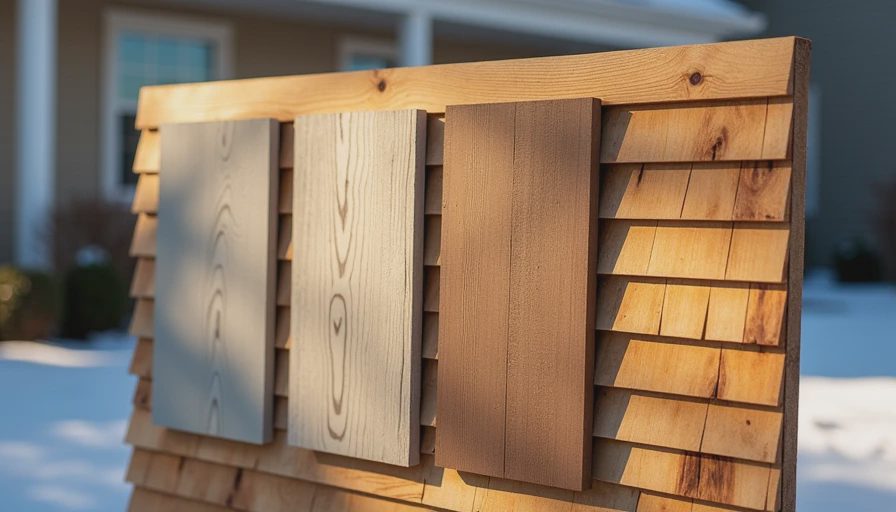
The Day I Realized Siding Choices Matter
Back in 2011 I was on a job in Maple Grove replacing siding on a 2003-built rambler. The homeowner had gone with the cheapest vinyl from the big box store three years earlier. It looked great in the brochure. In real life? The bottom course was buckled like a roller coaster, joints were opening up, and water had gotten behind it and rotted the OSB sheathing. We ended up doing a full tear-off and rewrap. That “bargain” siding cost them way more in the long run.
That job stuck with me. Since then I’ve installed vinyl, fiber cement, engineered wood, and real cedar shake on hundreds of houses across the Twin Cities. I’ve seen how they hold up through brutal freeze-thaw cycles, hail storms, and our crazy temperature swings. Today I’m laying it all out — no marketing fluff, just what actually works.
I've been on that roof — and those walls. Let me save you the trip.
My Hands-On Siding Report Card
After 14 years in the trade, here’s the honest ranking based on real performance in cold climates:
Vinyl Siding — The Reliable Workhorse
Vinyl is still the most popular for good reason. It’s affordable, low maintenance, and when installed right it performs surprisingly well. I’ve hung thousands of squares of it. A good 0.042" or thicker gauge with a solid color-through (not just painted) will last 25-30 years here.
What I like:
Price: Roughly $8–$12 per square foot installed for decent quality.
Fast install — a two-man crew can knock out a typical ranch in three days.
Handles temperature swings better than people think when properly gapped.
Where it fails:
Cheap thin stuff (0.038" or less) warps and fades.
Poor installation around windows and corners lets water in.
Dark colors absorb heat and expand more — I’ve seen black vinyl buckle on south-facing walls.
Fiber Cement — The Tough Guy
James Hardie and similar products changed the game. I’ve installed it on my own house and dozens of others. This stuff laughs at hail and freeze-thaw.
Real talk:
Costs $15K–$22K for an average ranch house installed.
Looks like real wood but won’t rot.
30-50 year lifespan if detailed correctly.
Heavy as hell — one bundle can weigh 80+ pounds. My crew used to curse it on two-story jobs.
The downside? It needs proper painting every 10-15 years on the cut edges, and installation mistakes are expensive to fix. But for homeowners who want it to look premium without the maintenance of real wood, this is usually the winner.
Engineered Wood — The Middle Child
I’ve installed LP SmartSide and similar products. It’s lighter than fiber cement and cheaper than cedar.
Performance in the wild:
Good paint adhesion and decent rot resistance.
More affordable than fiber cement.
Can swell at the edges if not sealed well during install.
I’ve seen it hold up fine for 15-20 years but it doesn’t have the impact resistance of fiber cement.
Real Cedar — The Classic That Needs Love
Beautiful when new. I installed a lot of it early in my career. But in our climate it’s high maintenance.
Needs staining every 3-5 years.
Can cup, warp, and split.
Expensive upfront and even more expensive over time.
Looks incredible for about 7-10 years, then starts showing its age unless you stay on top of it religiously.
Key Lessons From Hundreds of Jobs
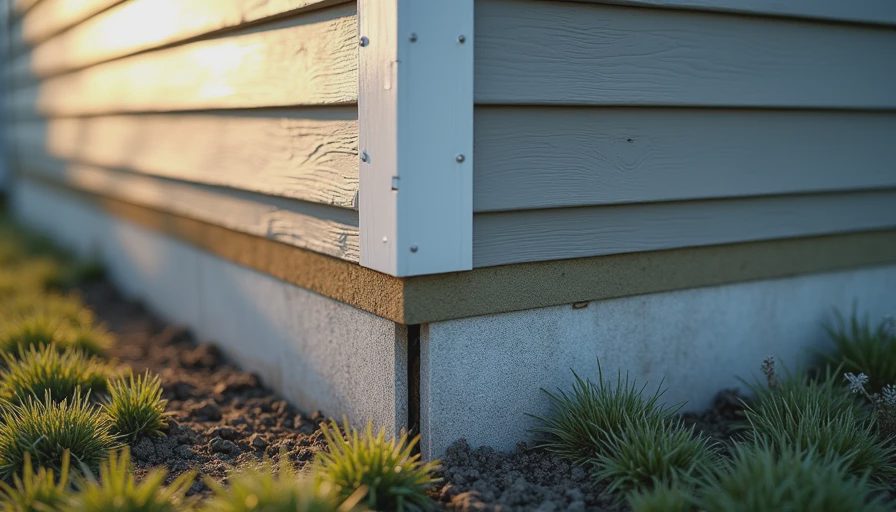
The Bottom Course Problem
This is the number one place I see rot. Water splashes off the ground or deck and sits behind that first row. Always install a starter strip that creates a gap, use proper flashing, and consider metal or fiber cement for the bottom few courses.
Window and Corner Details
I can’t count how many times I’ve seen J-channel installed wrong or corners not properly wrapped. Water gets behind the siding and you don’t see the damage until it’s bad. Take the extra time here — it matters more than the brand of siding.
Color and Heat
Dark colors look sharp but they expand and contract more. In Minnesota I usually recommend medium tones for the best balance of looks and performance.
What I Did On My Own House
When Anna and I bought our 1998 colonial I went with fiber cement on the main body and vinyl on the less visible sides for cost balance. Seven years later it still looks sharp. The fiber cement has taken every hail storm and winter without complaint. I detailed the heck out of the flashing and used proper house wrap overlaps. That attention to detail is what separates a good job from a callback nightmare.
Practical Advice for Homeowners Right Now
Get multiple bids — and compare apples to apples. Make sure they’re all including proper tear-off, house wrap, and flashing details.
Ask for references from jobs 5+ years old in your area.
Consider your trees — if you have heavy shade or lots of debris, vinyl or fiber cement beat wood.
Budget for quality install — cheap labor with good material often fails faster than decent labor with great material.
Red Flags When Getting Quotes
Contractor wants to install over existing siding without inspection.
No mention of proper flashing or house wrap.
Price seems too good to be true (it usually is).
They push only one brand without explaining alternatives.
Final Thoughts on Siding Choices
There isn’t one perfect material. It depends on your budget, how long you plan to stay, and how much maintenance you’re willing to do. For most families in our climate, a good vinyl or fiber cement system installed correctly gives the best bang for the buck and peace of mind.
Don’t chase the cheapest option. Don’t automatically go for the most expensive either. Get the details right and choose based on real performance data — not pretty pictures in a showroom.
I’ve installed every siding material. The ones that last are the ones where someone paid attention to the boring stuff: flashing, gaps, overlaps, and proper sealing. That’s what keeps water out and your house looking good for decades.
Stay warm. Stay dry.
— Dean




No notes on this sheet yet.