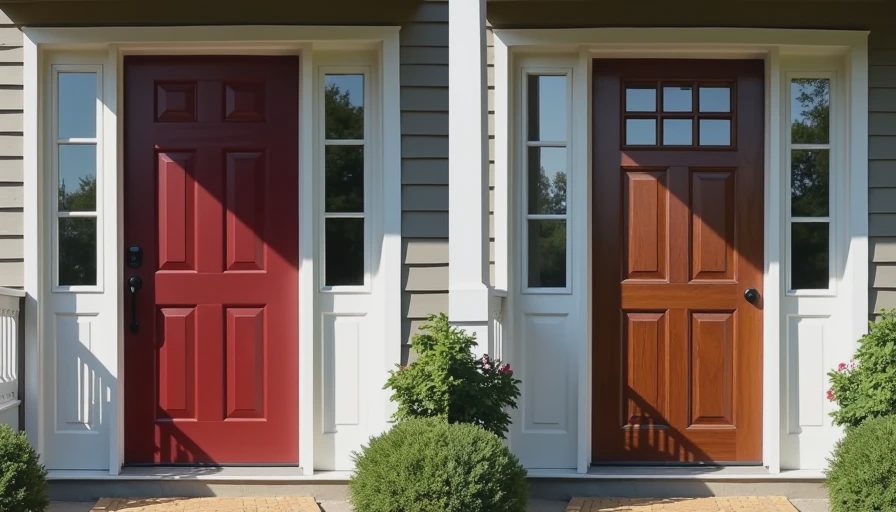
The Front Door Dilemma Every Homeowner Faces
Your entry door takes a beating in cold climates — freezing rain, snow, temperature swings, kids slamming it, and delivery drivers kicking it. When it’s time to replace, the big question is always the same: steel or fiberglass?
After hanging both materials on hundreds of homes over 14 years, I have clear opinions. Neither is perfect, but one usually makes more sense for most families in the Midwest and Northeast.
I've been on that roof — and at that front door. Let me save you the trip.
Steel Entry Doors: The Traditional Workhorse
Steel doors are still the most common for good reason.
What I like about them:
Excellent security and strength.
Generally cheaper upfront.
Good thermal performance when well insulated and with proper weatherstripping.
Wide variety of styles and colors.
The downsides in cold climates:
Dent easily (especially from kids or snow blowers).
Can rust if the finish is damaged.
Prone to temperature-related expansion and contraction, which can cause sealing issues over time.
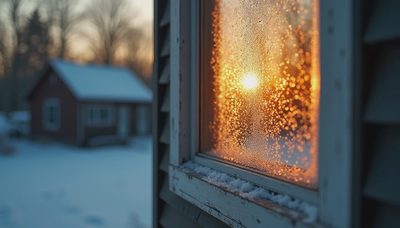
Can feel cold to the touch and sometimes sweat condensation on the interior in extreme cold.
I’ve replaced plenty of steel doors that looked rough after 8–12 years due to dents and rust spots.
Fiberglass Entry Doors: The Modern Contender
Fiberglass has become my go-to recommendation for most cold-climate installs.
What I like about them:
Extremely durable — resists dents, scratches, and warping.
Excellent energy performance with modern foam cores.
Stays dimensionally stable through temperature swings.
Looks like real wood without the maintenance.
Better resistance to moisture and rot.
The trade-offs:
Higher upfront cost (usually $300–$800 more than steel).
Slightly heavier, which can stress hinges if not installed properly.
Limited color options in some lines compared to steel.
After seven years on my own house, the fiberglass door still looks nearly new while many neighbors’ steel doors are showing wear.
Head-to-Head Cold-Climate Performance
Energy Efficiency
Both can be excellent when properly installed. Fiberglass generally edges out due to better dimensional stability — the seals stay tight longer through our freeze-thaw cycles.
Durability
Fiberglass wins clearly. I’ve seen fiberglass doors survive hail, kids, and snow equipment that would have destroyed steel.
Maintenance
Fiberglass requires almost none. Steel needs prompt touch-up on any dents or chips to prevent rust.
Security
Steel has a slight edge in raw strength, but modern fiberglass doors with multi-point locks are plenty secure for residential use.
Aesthetics
Both can look great. Fiberglass does a better job mimicking wood grain and holds paint/stain appearance longer.
Installation Lessons That Matter More Than Material
I’ve seen beautiful doors fail because of poor installation. Key details:
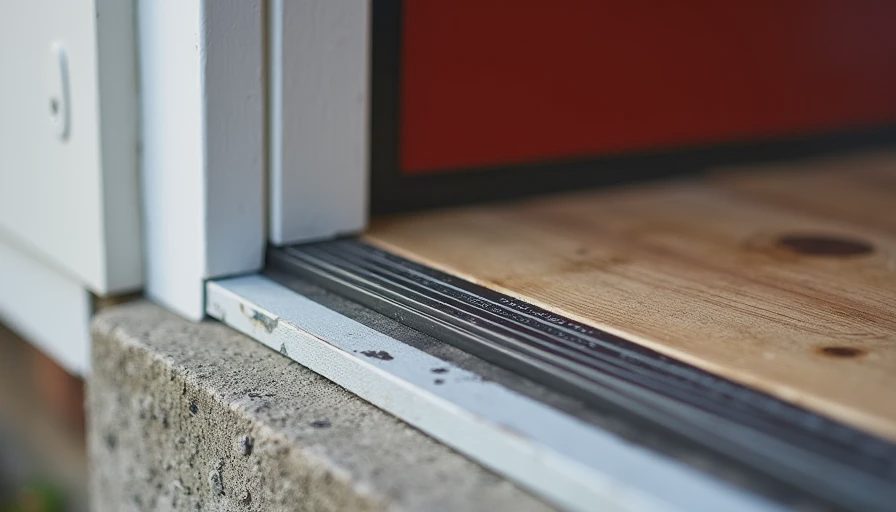
Proper flashing at the threshold and sides.
Good shimming and leveling.
Quality weatherstripping and door sweep.
Correct hinge screws into solid wood, not just the jamb.
A well-installed steel door beats a poorly installed fiberglass one every time.
Real-World Cost and Longevity
Steel door installed: $800–$1,800
Fiberglass door installed: $1,400–$3,000+
Fiberglass usually pays for itself in reduced maintenance and longer life (25–35+ years vs 15–25 for steel).
My Recommendation for Most Homeowners
For cold climates like Minnesota, I usually recommend fiberglass unless budget is extremely tight. The durability and low maintenance make it worth the extra cost for most families.
If you’re on a tight budget and promise to maintain it diligently, a good steel door with a storm door is still a solid, affordable choice.
On my own house I went with a fiberglass door. Seven winters later, I’m still happy with that decision.
Quick Bonus Tips
Always add or keep a good storm door — it makes a huge difference.
Consider a door with a transom or sidelights for more light if your entry allows.
Pay extra for a quality lockset and multi-point locking system.
Have the installer adjust it after the first full season as the house settles.
The Bottom Line
Don’t get hung up on marketing claims. Both materials can work well. Focus on quality construction, proper installation, and choosing what fits your budget and maintenance tolerance.
I’ve hung both. For most cold-climate homes, fiberglass gives you the best combination of performance, looks, and peace of mind over the long haul.
Stay warm. Stay dry.
— Dean



No notes on this sheet yet.