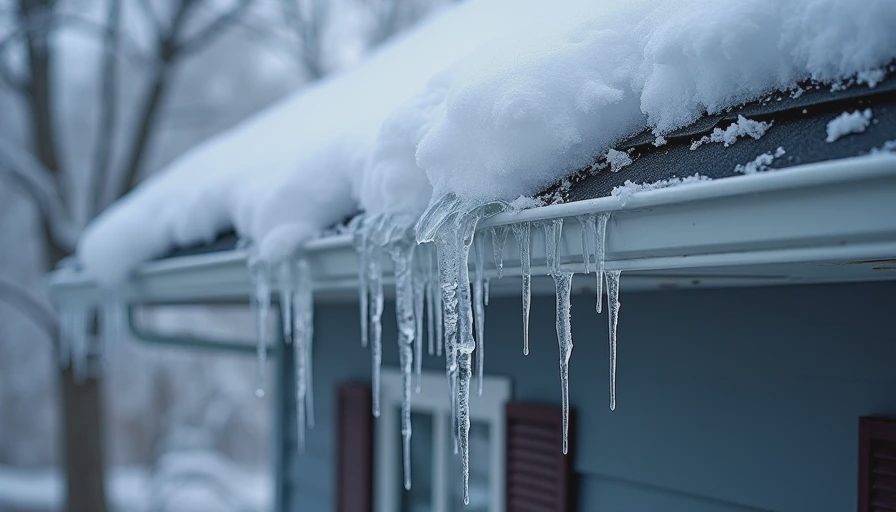
The Ice Dam Call I Get Every January
The phone rings in January. “Dean, there’s water coming through my ceiling again!” I already know what I’ll find before I get there: ice dams at the eaves, backed-up water under the shingles, and an attic that’s way too warm.
I’ve fixed this problem more times than I can count. The shingles usually aren’t the main issue. The attic is.
I've been on that roof. Let me save you the trip.
How Ice Dams Actually Form
Heat rises from your living space into the attic. If that attic is poorly insulated or badly ventilated, the roof deck gets warm. Snow on the roof melts, runs down to the cold eaves (which overhang unheated space), and refreezes. The ice builds up, backs up water under the shingles, and eventually leaks inside.
It’s not random bad luck. It’s physics.
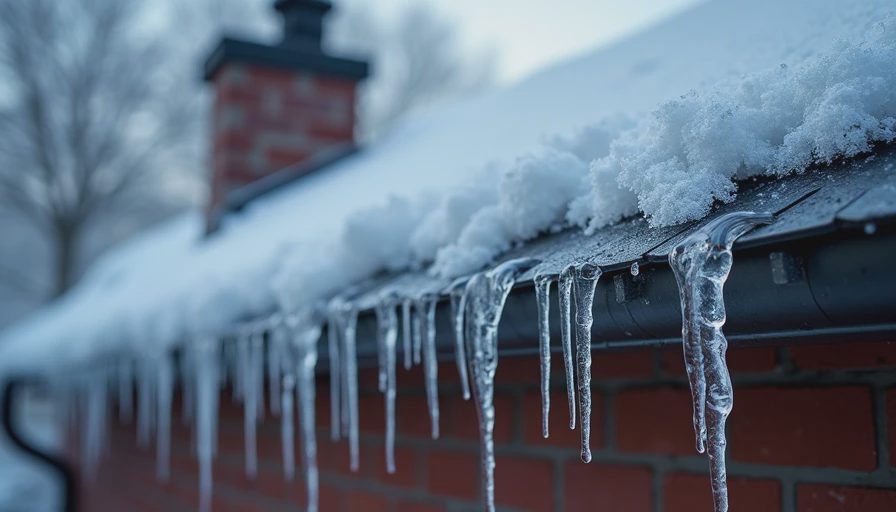
The Three Main Causes I See on Almost Every Job
1. Inadequate Insulation
Many older homes (and some newer ones) simply don’t have enough attic insulation. Or the insulation is compressed, wet, or missing in spots. I’ve pulled back attic access panels and found barely 6-8 inches of fiberglass in houses that should have 12-18+ inches.
2. Poor Ventilation
Even with good insulation, you need proper airflow. Soffit vents and ridge vents (or equivalent) must work together to keep cold air moving under the roof deck. Blocked soffits, missing baffles, or inadequate ridge venting are extremely common.
3. Air Leaks from Below
This is the hidden killer. Warm air leaks up through recessed lights, attic access holes, plumbing penetrations, and ductwork. Each leak adds heat to the attic and melts snow from below.
What Actually Fixes Ice Dams (And What Doesn’t)
Temporary Fixes That Don’t Solve the Root Problem:
Roof rakes (dangerous and only temporary)
Calcium chloride ice melt socks
Heating cables (they help but mask the real issue)
Permanent Solutions:
Add more attic insulation (to R-49 or higher in our climate)
Improve ventilation — add baffles and ensure clear soffit-to-ridge airflow
Air seal the attic floor thoroughly
Consider a smart vapor barrier if needed
On one house in Edina I added proper baffles, extra insulation, and sealed every penetration. The homeowners haven’t had ice dams in six winters since.
Real Job Stories
I once went to a 2006-built house where the owners had replaced the roof twice in eight years. Both times the contractor just added more ice shield and called it good. When I finally got in the attic, the insulation was a mess and there was almost no ventilation. We fixed the attic instead of the roof. Problem solved.
Another time a homeowner insisted the roof was bad. We did a full tear-off and found the sheathing was fine. The ice dams were 100% from attic heat. I felt bad charging for the roof work, but they wouldn’t listen until they saw it.
My Step-by-Step Attic Checklist
Look from below: Check for dark spots on ceilings (water stains).
Attic inspection: Measure insulation depth. Look for gaps and compression.
Ventilation check: Confirm soffit vents are open and baffles are present.
Air sealing: Seal every hole where wires, pipes, or ducts penetrate the attic floor.
Professional help: If you’re not comfortable in attics, hire someone who knows what they’re doing.
Prevention Calendar Tie-In
Fall: Clean gutters, check attic vents, do final air sealing.
Winter: Monitor for ice dams early.
Spring: Full attic inspection after snow melts.
Summer: Best time for insulation and ventilation upgrades.
What This Means for Your Next Roof Project
If you have recurring ice dams, don’t just replace the roof. Fix the attic first. A new roof on top of a hot, poorly ventilated attic will face the same problems.
The best roof jobs I’ve done were paired with attic improvements. Those houses stay drier and the roofs last longer.
Final Truth From the Ladder
Ice dams aren’t a roofing problem — they’re a heat management problem. Once you treat them that way, the solutions become clear and effective.
Stop throwing money at symptoms. Fix the attic, manage the heat, and your roof will have a much easier life through our tough Minnesota winters.
Stay warm. Stay dry.
— Dean



No notes on this sheet yet.