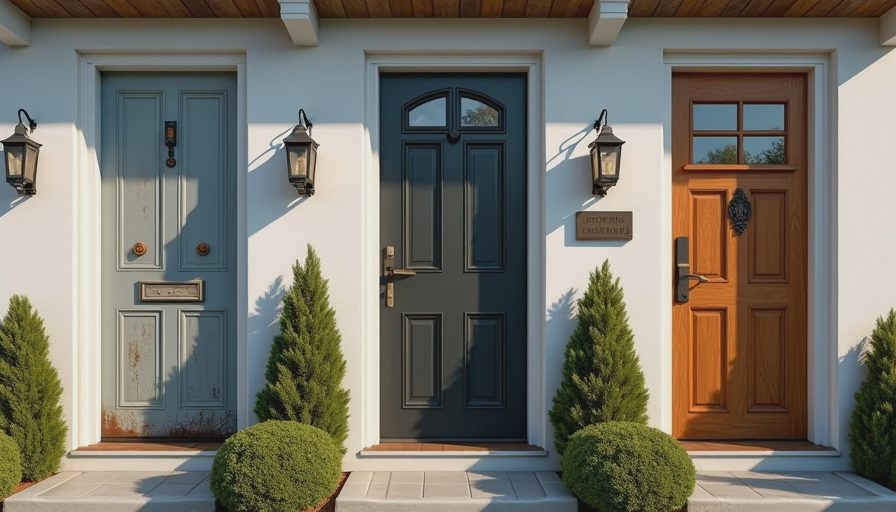
The Door Price Spectrum I’ve Seen in Real Life
Over 14 years I’ve installed entry doors at every price point — from the absolute cheapest big-box specials to high-end custom jobs. The $400 door that looked okay on Saturday often looked terrible by the next winter. The $4,000 handcrafted masterpiece was beautiful but delivered only marginally better performance than a solid $1,500 door.
The sweet spot is almost always in the middle.
I've been on that roof — and standing at that front door. Let me save you the trip.
The $400 Door Experience
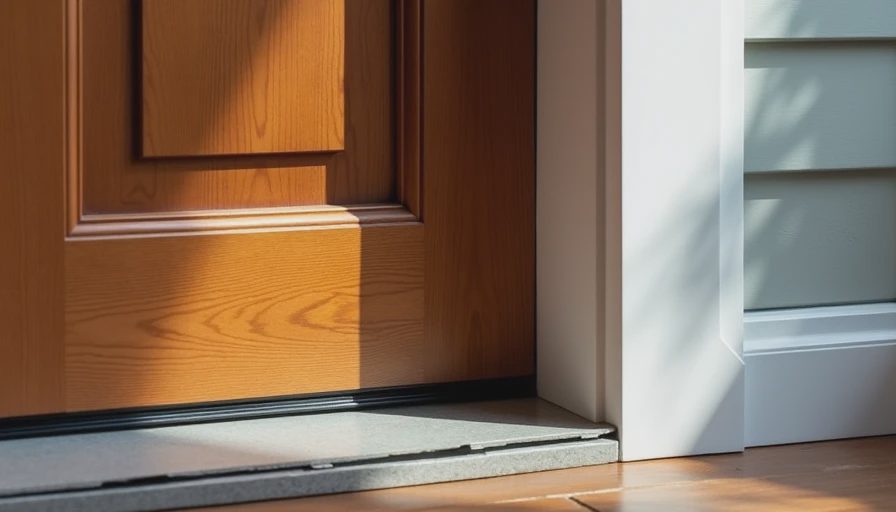
These are usually thin steel doors with minimal insulation and cheap hardware.
What happens:
Dents easily from normal use
Seals fail quickly in temperature swings
Rust starts showing within a few years
Feels cheap and cold
Poor energy performance
I’ve replaced many of these after just 5–8 years. They’re false economy.
The $4,000+ Luxury Door
These are often mahogany or high-end fiberglass with fancy glass and premium hardware.
The reality:
Beautiful when new
Excellent security features
Great energy performance
But the extra cost rarely translates to proportionally better longevity in real-world conditions
Overkill for most suburban homes
Unless you have a very specific architectural style requirement, the premium doesn’t usually justify the huge price jump.
The Winning Middle Option ($1,200–$2,200 Installed)
This is where I recommend most homeowners land.
What you get in this range:
Quality fiberglass or well-made steel construction
Good foam insulation core
Solid weatherstripping and multi-point locking hardware
Nice but not excessive glass options
Strong warranties (often 20– lifetime on the door itself)
Why it wins:
Excellent balance of durability and performance in cold climates
Resists dents and maintains seals much better than cheap doors
Looks great for 20+ years with minimal maintenance
Solid return on investment for comfort and energy savings
On my own house I went with a quality fiberglass door in this price range. Seven years later it still looks excellent and performs perfectly through Minnesota winters.
What Actually Matters More Than Price
Installation Quality — This is 70% of the battle. A $1,800 door installed correctly beats a $3,000 door installed poorly.
Proper Flashing — Especially at the threshold.
Door Sweep and Weatherstripping — The unsung heroes of energy efficiency.
Core Material — Fiberglass generally outperforms steel long-term in our climate.
Hardware — Good hinges and locks make a huge difference.
Real Homeowner Examples
I replaced a $450 big-box door for a family in Bloomington. Two winters later they called me back because it was leaking air badly. We upgraded to a solid $1,600 fiberglass door. They’re still happy years later.
On the other end, I installed a $4,200 custom door for a client who wanted the absolute best. It’s gorgeous, but I could have achieved 95% of the performance and comfort for half the price.
My Practical Recommendation
Aim for the $1,400–$2,200 installed range for most homes. Choose fiberglass if your budget allows. Make sure the installer focuses on proper flashing and sealing.
Add a quality storm door if possible — it dramatically improves performance and protects your investment.
Quick Decision Guide
Tight budget + plan to move soon → Good $800–$1,200 steel door
Long-term home + want low maintenance → Quality $1,600–$2,200 fiberglass
Historic home or very specific style → Higher end if needed
Don’t go cheapest. Don’t get talked into the most expensive unless you have money to burn and specific needs.
The middle option wins for most families in cold climates.
Stay warm. Stay dry.
— Dean





No notes on this sheet yet.