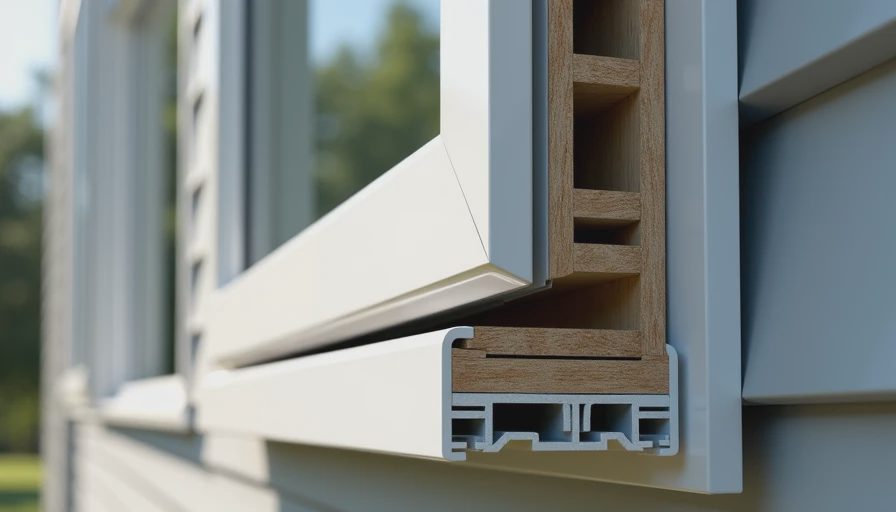
The Window Sales Pitch I’ve Heard Too Many Times
The salesman stood in the homeowner’s living room in St. Paul, pointing at their 1990s windows. “Triple-pane is the only way to go in Minnesota,” he said. “You’ll save hundreds on energy bills.” The quote was $18,000 higher than a solid double-pane option. The homeowner almost went for it — until I gave them the straight story from someone who’s actually installed both.
I’ve replaced over 200 windows in my career, mostly in cold-climate homes like yours. I’ve seen the difference in real houses through real winters. Triple-pane has its place, but for most of us in the Midwest, Northeast, or Mountain West, it’s often expensive overkill.
I've been on that roof — and those window openings. Let me save you the trip.
Double-Pane vs Triple-Pane: The Cold Hard Facts

What the Numbers Actually Show
In Minnesota (Zone 6 climate), good double-pane windows with low-E coating and argon gas deliver most of the performance you need. The jump to triple-pane gives you diminishing returns for a big price increase.
Double-pane: U-factor around 0.28–0.32. Excellent balance of cost and performance.
Triple-pane: U-factor around 0.20–0.24. Better, but you pay 30-50% more.
I’ve installed both in similar houses on the same street. The energy savings difference is usually $40–$80 per year. That means it takes 15–25 years just to break even on the extra cost — if the windows last that long without other issues.
When Triple-Pane Actually Makes Sense
You live way up north (Zone 7 or 8, like northern Canada or Alaska).
You have extreme noise issues (near airport or busy highway).
You’re building a passive house or going for maximum efficiency with subsidies.
Your house has huge north-facing glass walls.
For the rest of us? Solid double-pane is the smart move.
What Really Matters More Than Pane Count
After installing hundreds of windows, I’ve learned the real performance killers:
1. Installation Quality
A perfectly rated window installed poorly will leak air and water. I’ve seen “high-performance” triple-pane windows fail because the crew skipped proper flashing and shimming. The gap around the window frame is where most energy loss happens.
2. Low-E Coatings and Gas Fill
Modern double-pane windows with low-E glass and argon fill block heat loss effectively. This is where the big gains come from — not adding a third pane.
3. Frame Material
Vinyl frames: Good insulator, low maintenance, affordable.
Fiberglass: Strong, durable, excellent in cold climates.
Wood: Beautiful but needs maintenance.
Aluminum: Terrible for cold climates unless thermally broken.
4. The Five-Minute Draft Test
Here’s a simple test I teach homeowners: On a cold windy day, hold a lit incense stick or tissue near the window edges. If it flickers wildly, you have air leakage. Fix the installation details before obsessing over pane count.
Real Jobs and Real Results
I replaced all the windows on a 2004-built house in Edina with quality double-pane vinyl. The homeowners reported noticeably warmer rooms in winter and lower bills. Two years later they’re still happy.
On another job the owner insisted on triple-pane. Cost them thousands extra. The comfort difference was minor, and they had some condensation issues because of how the installers detailed the interior.
The pattern is clear: Installation quality and proper flashing beat fancy glass almost every time.
My Recommendations for Most Homeowners
Choose quality double-pane with these specs:
U-factor ≤ 0.30
SHGC appropriate for your orientation
Low-E coating
Argon or krypton fill
Strong warranty (I like 20+ years on glass and frame)
Budget range: $450–$850 per window installed depending on size and style. Full house replacement for an average colonial runs $9,000–$16,000.
Skip the triple-pane upsell unless you have specific extreme conditions.
Entry Doors: Quick Truth
While we’re talking openings, the same logic applies to entry doors. A good fiberglass or steel door with proper weatherstripping and a storm door does wonders. I’ve replaced front doors for $400 (basic) up to $4,000 (high-end). The middle $1,200–$1,800 range usually wins for performance and value.
What to Look For in a Window Contractor
They talk about installation details, not just glass.
They measure every opening carefully.
References from local jobs 3+ years old.
Proper licensing and insurance.
They explain flashing and sealing procedures.
If the salesperson pushes triple-pane hard without discussing your specific climate and house, be cautious.
Final Advice From the Ladder
Don’t get dazzled by fancy numbers and marketing. A well-installed double-pane window in a properly flashed opening will serve you better than a poorly installed triple-pane one.
Focus on quality materials, expert installation, and the details around the window. That’s what keeps your house comfortable and your energy bills reasonable in real cold-climate winters.
I’ve replaced over 200 windows. The ones that perform best are the ones where someone cared about the boring stuff — flashing, shimming, sealing, and proper gaps.
Save the triple-pane money for better insulation, air sealing, or that deck you actually use every summer.
Stay warm. Stay dry.
— Dean




No notes on this sheet yet.