The Backyard Deck I Built With My Own Two Hands
When Anna and I bought our 1998 colonial in south Minneapolis, the backyard was a sad patch of grass with a crumbling concrete slab. I decided to build a deck myself using pressure-treated lumber. I’d installed plenty for customers, so how hard could it be? Seven years later, I have a deck that mostly works but also some clear lessons about what I’d change if I did it again.
This isn’t a glossy magazine story. It’s the real-world experience of a guy who’s built and repaired decks for over 400 homes and then did his own the hard way.
I've been on that roof — and that deck. Let me save you the trip.
What Actually Held Up After Seven Minnesota Winters
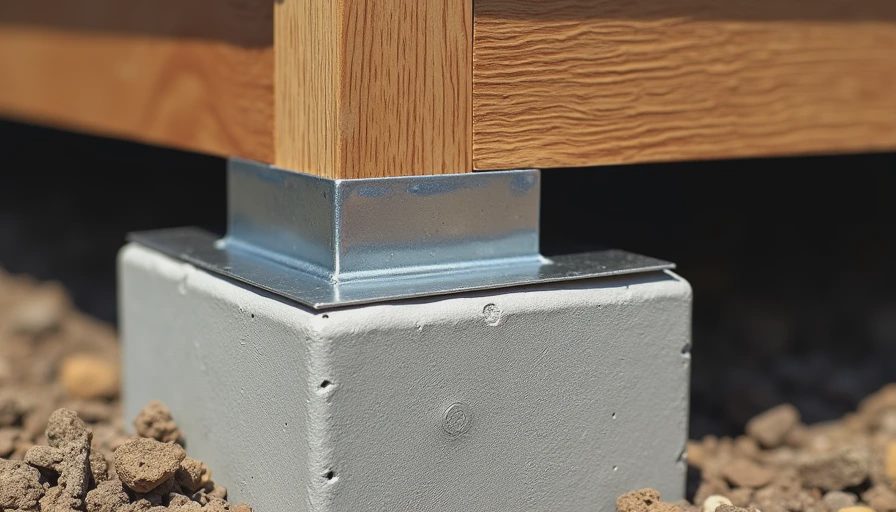
The main structure is still solid. The 6x6 posts set in concrete piers have stayed straight. The joists and beams are holding strong thanks to proper galvanized hardware and joist hangers. The decking itself has some wear but is mostly intact.
Pressure-treated lumber did its job against rot. That part of the marketing is true. But it’s not the whole story in our freeze-thaw climate.
What Didn’t Age Gracefully (And Why)
The Surface
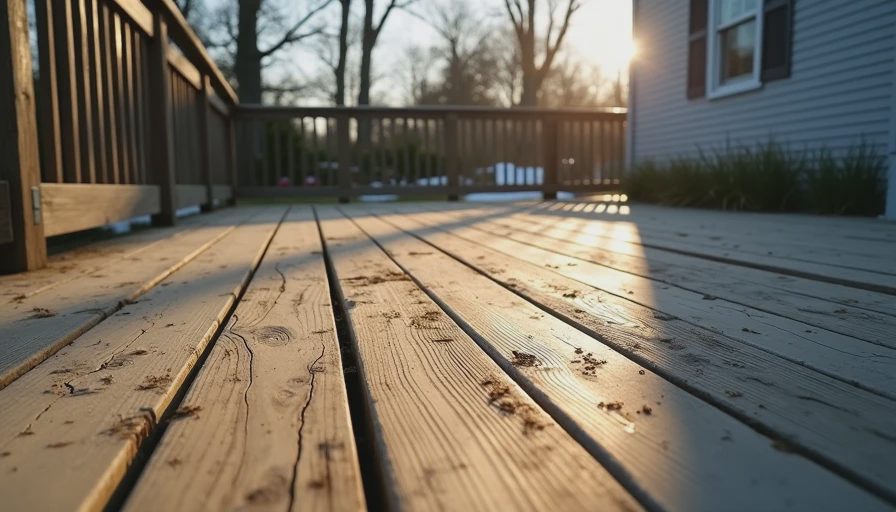
The deck boards have checked and cracked more than I expected. Pressure-treated lumber shrinks and twists as it dries after installation. I didn’t let it dry long enough before staining, and I see the results now — raised grain and some cupping on the south-facing boards that get the most sun and snow melt cycles.
Railings and Stairs
The railings have some wobble. Not dangerous, but noticeable. I used standard lag bolts that have loosened slightly over the years with all the expansion and contraction. The stairs show wear on the nose of the treads where foot traffic is heaviest.
Hidden Water Issues
Even with flashing, some water still finds its way into a few connections. I’ve had to replace two posts that rotted at the base because I didn’t flash them aggressively enough. In Minnesota, water always finds a way if you give it half a chance.
What I’d Do Differently Next Time
Material Choices
I’d seriously consider composite decking for the top surface. Yes, it costs more upfront, but after seven years of staining, sweeping snow, and fighting mildew, the low maintenance looks pretty attractive. For the structure, I’d still use pressure-treated or go with steel framing for maximum longevity.
Better Foundation Work
I’d dig the footings deeper and use sonotubes with proper rebar. My original piers have held, but I’ve seen too many decks shift after harsh winters. A little extra work here pays off big.
Superior Flashing and Sealing
Every ledger board connection, post base, and beam joint would get modern self-adhered flashing tape and metal flashing. I know better now after repairing so many customer decks with the same issues.
Railing Upgrades
I’d use through-bolts instead of lag screws and add blocking for extra rigidity. I’d also consider a cable railing system or thicker spindles for that solid feel that doesn’t wiggle.
Staining and Sealing Strategy
I’d let the pressure-treated lumber dry for at least 4-6 weeks before staining, then apply a high-quality penetrating sealer every 1-2 years instead of film-forming stains that peel.
Lessons From Customer Decks I’ve Repaired
I’ve torn apart and rebuilt plenty of decks over the years. The most common failures I see are:
Posts not properly elevated off concrete or ground.
Ledger boards attached without flashing, leading to rim joist rot.
Inadequate joist spacing or undersized beams.
Poor drainage — water pooling on the surface.
My own deck taught me the same lessons I give customers. There’s nothing like living with your work to sharpen your eye.
Practical Advice If You’re Planning a Deck This Year
Decide your budget and lifespan goals upfront. Pressure-treated is fine for 10-15 years with maintenance. Composite or cedar for 20-30+ years with less work.
Hire for structure, DIY the finish if you want. The framing and footings are where most serious (and expensive) problems happen.
Plan for winter. Will you shovel snow off it? Add snow-melt cables? Design for easy snow removal.
Get permits and inspections. The peace of mind is worth it, especially when selling the house later.
Real Cost Comparison
My original pressure-treated deck cost about $4,800 in materials (I did the labor). Today a similar composite deck would run $9,000–$14,000 installed. Worth it? For many families chasing low maintenance, yes.
The Neighborhood Smoker View
On summer evenings I still sit on that deck with a brisket on the smoker. The kids play, Anna relaxes, and neighbors wander over. It’s served us well. But I notice every little imperfection because I built it.
That’s the thing about exterior work — you live with your choices for years. Might as well make them good ones.
If you’re thinking about building or replacing a deck, learn from my experience. Take the extra time on flashing, drainage, and material prep. Your future self (and your wallet) will thank you when the next polar vortex hits.
Stay warm. Stay dry.
— Dean




No notes on this sheet yet.