Cold weather roof repair is one of those jobs where timing matters almost as much as the repair itself. A small leak in November can become stained drywall, wet insulation, and a much larger bill after several freeze-thaw cycles. But winter roofing work has limits. Some repairs hold up fine in January. Others need warmer temperatures and a proper spring installation.
I've been on that roof. Let me save you the trip. The first step is figuring out whether you have an active leak, an ice dam, damaged shingles, or a flashing problem. Those look similar from inside the house, but they don't get fixed the same way.
Start with the leak, not the ceiling stain
A brown ceiling mark tells you water got in. It doesn't tell you where it entered. Water can travel several feet along roof decking before it drips into the attic or a light fixture. The damaged spot inside might be below a chimney, valley, plumbing vent, wall intersection, or missing shingle several feet away.
If you can safely access the attic, look during daylight with a flashlight. Check for dark roof sheathing, damp insulation, rusty nails, and water trails. Don't step between the ceiling joists. If the leak is active, put down a bucket and take photos before anyone starts work. Photos help a roofer diagnose the issue and help document storm damage for your insurance company.
A one-story ranch with easy access might cost $250 to $500 for a basic winter service call. Steep roofs, difficult access, and emergency work often push the total to $600 or more. That is still cheaper than letting water soak insulation and framing for three months.
What can be repaired in freezing weather
Cold weather roof repair is practical when the damaged area is small and the roofer can create a sound, watertight patch. Replacing a few missing asphalt shingles, securing loose flashing, repairing a plumbing vent boot, and sealing a small exposed fastener are common winter jobs.
The catch is the shingle adhesive. Asphalt shingles use factory-applied sealant strips that normally bond with warmth and sunlight. In freezing conditions, a roofer may need to hand-seal replacement shingles with compatible roofing cement. That is not a license to smear tar across the roof. Too much cement traps dirt, looks sloppy, and can make future repairs harder.
Roofing materials also get brittle when they are cold. A careful roofer carries shingles into a heated vehicle or stores them indoors before installation. They lift existing shingles gently instead of forcing them with a cold pry bar. A rushed repair can crack tabs that looked fine when the crew arrived.

For a small repair, expect roughly $300 to $900, depending on access, materials, and how much flashing needs to be removed. Get the work order in writing. It should identify the suspected entry point, the materials used, and whether the contractor will return in warm weather to inspect the patch.
Ice dams require a different approach
Ice dams form when heat escapes through the attic and melts snow on the warmer upper roof. The water runs down, reaches a colder eave, and freezes. Over time, ice backs under shingles and can enter at the roof edge. You may see a ceiling stain near an exterior wall or water dripping from a soffit.
The safest short-term cold weather roof repair is usually removing the immediate ice blockage, not randomly chopping the dam with an axe. Aggressive chopping can damage shingles, gutters, and the roof membrane underneath. A qualified crew may use steam equipment to open drainage channels without tearing up the roof.
Steam removal commonly costs several hundred dollars for a straightforward section and more for a large, steep, or heavily iced roof. Do not use calcium chloride in a sock and leave it on the roof. That internet trick can stain siding, corrode metal, and create only a temporary channel.
The permanent fix happens in the attic and at the roof edge. Air-seal penetrations around recessed lights, plumbing chases, and bath fans. Add insulation where it is thin, confirm that soffit vents are open, and make sure bath fans exhaust outside rather than into the attic. A new roof alone won't solve an ice dam caused by warm attic air.
Repairs that should usually wait
Some work is possible in winter but makes poor financial sense. A full reroof needs dry conditions, reasonable material temperatures, and enough daylight for the crew to work safely. Many manufacturers publish minimum application temperatures for shingles, underlayments, and sealants. Those instructions matter more than a contractor's claim that a crew can work in any weather.
Cold weather roof repair also becomes a bad idea when the roof deck is wet, covered with frost, or buried under snow. Underlayment cannot bond properly to a dirty or icy surface. Workers also have less reliable footing, especially on steep slopes. If a company wants to install an entire roof during a snowstorm, ask why the job cannot wait.
There are exceptions. A roof with widespread storm damage or an open section exposing the attic cannot simply sit until April. In that situation, a roofer should install a properly secured temporary cover or emergency dry-in system, then schedule permanent work when conditions allow.
How to choose the right roofer
Search for a roofing contractor who can explain the cause of the leak without immediately selling a complete replacement. Ask whether the crew carries workers' compensation insurance, how they handle icy surfaces, and what temperature limits apply to the materials they plan to use.
Be wary of an estimate that says only “repair roof leak” for $1,200. You need a scope: remove and replace six shingles, repair step flashing at the sidewall, reseal the vent boot, or install temporary protection over a damaged valley. Specific language makes it easier to compare bids.
A good contractor will also tell you what the repair cannot fix. For example, replacing a cracked pipe boot won't correct missing attic insulation. Sealing one valley won't solve a roof that has reached the end of its service life. Straight answers are worth more than a dramatic sales pitch.
Ask for before-and-after photos, especially if the roof is too steep for you to inspect. A two-person crew may finish a small patch in two to four hours, but weather delays are normal. No reputable roofer can promise safe production during high winds, freezing rain, or active snowfall.

A practical winter repair checklist
Before the roofer arrives, clear snow from the driveway and make sure attic access is available. Move valuables away from the interior leak. Mark the ceiling stain with a pencil and write down the date it appeared. Check whether the leak happens during rain, melting snow, or both.
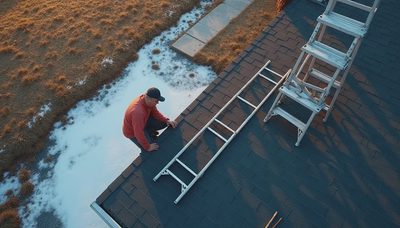
Outside, look from the ground for missing shingles, hanging metal, sagging gutters, and heavy ice buildup. Don't climb up with a ladder on icy ground. If a branch hit the roof, save the branch location in your photos and keep damaged materials until your insurer has reviewed them.
After the repair, ask what caused the failure and what needs attention next. A patch might stop the water today while an attic ventilation correction prevents the same problem next winter. Budget $150 to $400 for minor air sealing and more if insulation must be redistributed or added. That work is often a better investment than repeating emergency calls.
If your roof has several damaged areas, exposed decking, or recurring leaks after every storm, get a written replacement estimate alongside the repair price. A roof replacement is commonly several thousand dollars, with a typical asphalt-shingle project often landing around $10,000 to $25,000 depending on size, layers, pitch, disposal, and regional labor. The cheapest patch isn't cheap if it only buys two weeks.
The bottom line for winter roofing
Cold weather roof repair makes sense for active leaks, missing shingles, loose flashing, damaged vent boots, and ice dams that are threatening the interior. It requires the right materials, careful footing, and a roofer who understands cold-weather installation instead of just pushing through the calendar.
Use winter to stop water and prevent further damage. Save cosmetic upgrades and full replacements for a proper weather window unless the roof is exposed or unsafe. Get the cause in writing, take photos, and compare a detailed repair scope with the cost of replacement.
A small, honest repair can carry a house through the season. A rushed patch can leave you paying twice. Stay warm. Stay dry. — Dean



No notes on this sheet yet.