If you want to design exterior of house free, start with the parts that actually change how the place looks: siding color, trim, roof color, entry door, lighting, and landscaping. You don't need a $4,000 architectural rendering to make good decisions. You need a clear photo, a short materials list, and a way to compare changes before buying anything.
I've watched homeowners choose a siding color from a two-inch sample, then regret it when 1,800 square feet of wall made the shade look much brighter. A free exterior design tool can prevent that mistake. It won't tell you whether a wall has rot behind it, but it can show how colors and proportions work together. That alone can save a costly redo.
Start with a Clear Photo and a Simple Plan
Take the photo from across the street, not from six feet away. Stand near the same height as the front windows, keep the camera level, and photograph the house in daylight. Trim away cars, toys, and trash cans if they distract from the facade. A straight-on front view works best for online visualizers, while a second corner view helps you judge depth.
Before you upload the image, list what you plan to change. Separate surface changes from construction changes. Painting the front door is a surface change. Replacing siding, widening a window, or adding a porch is construction. Free software can illustrate both, but the second group needs measurements and a realistic budget.
Use a free visualizer from a siding, paint, roofing, or window manufacturer as a starting point. James Hardie, CertainTeed, LP SmartSide, Sherwin-Williams, and Benjamin Moore all provide color or product resources, though features differ. You don't have to buy that brand to learn from the exercise. Save screenshots of three combinations instead of creating twenty confusing variations.
Choose Exterior Colors That Work in Real Weather
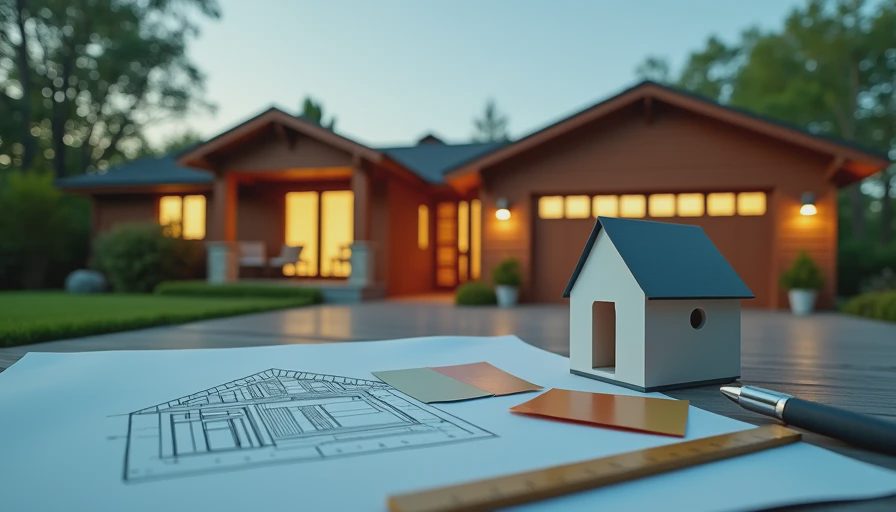
A good exterior usually has three color jobs: the main field, the trim, and an accent. The field covers most of the house. Trim outlines windows, corners, soffits, and doors. The accent belongs on a smaller feature such as the front door or shutters. If every surface has a different color, the house starts looking busy before the landscaping is even considered.
When you design exterior of house free, compare colors against your roof and foundation. A dark gray roof can handle cool gray siding, muted blue, or warm white. A brown roof usually works better with tan, cream, olive, or soft clay tones. The foundation should not be brighter than the walls. In most cases, a darker foundation helps the house sit on the lot instead of floating above it.
Don't trust the screen alone. Phone displays change brightness, and a color that looks calm online can look almost white in direct sun. Buy a sample or paint a large piece of scrap material. Look at it in morning shade, afternoon sun, and evening light. In Minneapolis, I saw a homeowner reject a perfectly good warm gray because she judged it under a blue LED porch light. The actual color looked fine outside.
For cold climates, color is only half the decision. Dark materials can absorb more heat, but proper installation, ventilation, and product instructions matter more than chasing a minor temperature difference. Focus first on water management, then appearance.
Use the Free Design to Find Expensive Problems
A visual mockup is useful because it forces you to inspect the whole exterior. Zoom in around window corners, roof-to-wall intersections, deck ledgers, and the bottom edge of siding. Those are common leak paths. If your proposed design hides a gutter, downspout, or flashing detail, stop and solve that before ordering materials.
Look for staining below windows, soft trim near the sill, cracked caulk, buckled siding, and gutters that dump water beside the foundation. A new color will not fix any of those problems. I once visited a 1998 colonial in Edina where the homeowner wanted fresh blue siding. The bigger issue was missing flashing above a bay window. Water had been entering for years. The design plan became useful when it pointed us toward the repair instead of distracting from it.
This is where homeowners often ask whether they can design exterior of house free and complete the renovation without help. You can plan many cosmetic changes yourself. Call an experienced contractor for rot, structural movement, roof flashing, window replacement, or water intrusion. Some things you call a guy for. That's not failure; that's wisdom.
Compare Materials Before You Fall in Love with a Look
Your free design should show the material you can actually afford and maintain. Standard vinyl siding commonly lands around $8,000 to $15,000 installed on an average ranch, depending on tear-off, trim, access, and regional labor. Fiber cement often runs about $15,000 to $25,000 or more. Engineered wood sits between those ranges on many jobs. Cedar can look excellent, but it brings regular staining, painting, and repair work.
A rendering may show a perfect cedar shake gable, but the real question is whether you'll stain it every three to five years. Fiber cement can deliver a crisp, painted appearance, but it must be cut and flashed correctly. Vinyl is usually the forgiving budget choice, provided installers leave room for movement and don't nail it tight. In freeze-thaw country, small installation shortcuts become visible as waves, cracks, or open joints.
When you design exterior of house free, make two versions: the dream version and the buildable version. The dream version might include stone veneer, cedar accents, new windows, and a covered porch. The buildable version might keep the windows, use siding with one stone section, and replace the porch railing. Comparing them helps you spend on the features people actually notice from the street.
A Practical Order for Exterior Improvements
Do the work from the top down. Start with roof condition and flashing. Water from a failing roof can ruin new siding and trim. Next, handle gutters, downspouts, grading, and obvious drainage problems. Then repair sheathing, replace rotten trim, and install or correct weather-resistive barriers. Only after that should you schedule siding, paint, doors, lighting, and landscape work.
Here is the order I use on a typical older house:
- Photograph every wall and mark damaged areas.
- Check roof edges, valleys, vents, and wall flashing.
- Extend downspouts at least several feet away from the foundation.
- Probe questionable trim and window sills with a screwdriver.
- Get written estimates that separate labor, tear-off, disposal, and materials.
- Test three exterior color combinations in large samples.
- Confirm who handles permits, cleanup, and hidden damage.
This sequence keeps a new facade from becoming a cover-up. It also makes estimates easier to compare. One contractor might quote only siding, while another includes house wrap, corner trim, window flashing, and disposal. Those are not equal bids.
Turn Your Free Mockup into a Useful Contractor Brief
Save the final image and write down the exact decisions beside it: siding profile, field color, trim color, door color, roof material, gutter color, and any stone or shake accents. Add approximate wall dimensions, window counts, and photos of problem areas. A contractor can price that package far more accurately than a vague request to “make it look better.”
If you design exterior of house free before getting estimates, you also have a reference when proposals come back. Ask each contractor to explain what changes from the picture, what happens behind the siding, and how they flash windows and roof intersections. Ask for proof of insurance, references for similar projects, and a payment schedule that doesn't require nearly all the money upfront.
The best design is not the flashiest one. It is a facade that fits the house, sheds water, survives winter, and doesn't force you into maintenance you hate. Use the free tools for comparison, then use your eyes and a ladder-safe inspection for reality. I've been on that roof. Let me save you the trip.
Stay warm. Stay dry. — Dean





No notes on this sheet yet.