Modular tool storage systems can turn a crowded garage into a workable shop without forcing you to buy one giant cabinet all at once. I've seen homeowners spend $3,000 on storage, then discover the drawers don't fit their drills or the cabinet blocks the only walking path. The better approach is to plan around the tools you own, the wall space available, and how often you actually work in the garage.
A good setup keeps heavy tools low, small parts visible, and frequently used items within arm's reach. It also leaves room for a snowblower, lawn mower, bikes, or that half-finished woodworking project. This isn't about making the garage look like a tool catalog. It's about finding a wrench before your knuckles freeze against the concrete floor.
What Modular Tool Storage Systems Actually Include
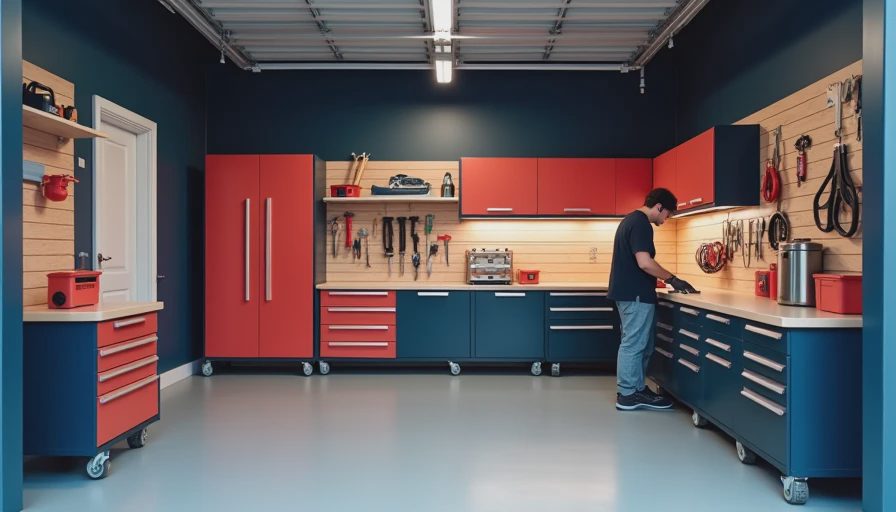
Most modular tool storage systems combine rolling tool chests, fixed cabinets, wall-mounted panels, shelves, worktops, and accessories. You can start with a rolling chest under a workbench, then add an upper cabinet or side locker later. That flexibility is the main advantage over a single prefabricated cabinet.
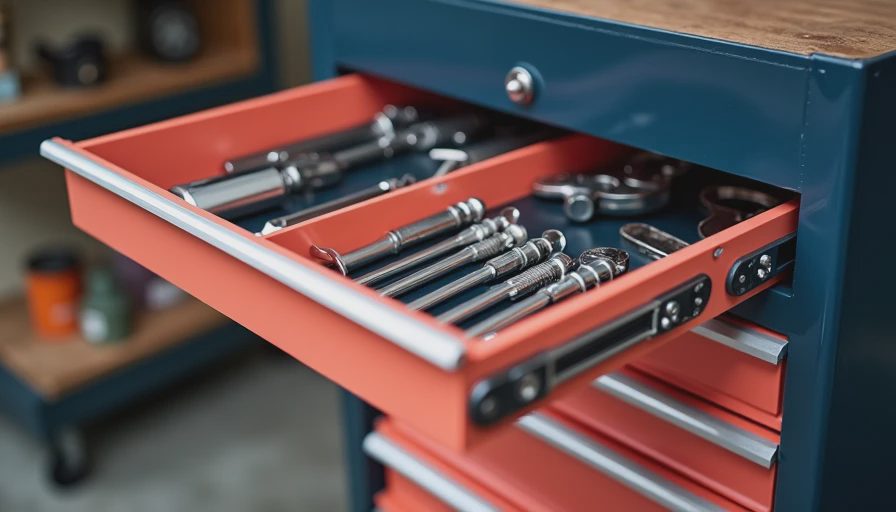
Common materials include painted steel, stainless steel, aluminum, and heavy-duty plastic. Steel is the usual choice for a serious garage because it handles dropped tools and supports substantial drawer loads. Look for drawers rated around 100 to 150 pounds if you store impact drivers, sockets, batteries, and hand tools together. Thin steel can still look attractive in a showroom, but a loaded drawer should not flex or scrape across its slides.
Prices range widely. A basic rolling chest from Husky or Craftsman often runs from $250 to $700. A larger system from Milwaukee, Lista, or NewAge Products can reach $1,500 to $4,000 before accessories. You don't need the most expensive option. You need full-extension drawers, decent casters, a usable work surface, and parts you can replace.
Plan the Garage Before Buying Cabinets
Measure the wall, but don't stop there. Open your vehicle doors, account for the garage door tracks, and mark the path used to carry in lumber or a lawn mower. Leave at least 36 inches for a comfortable walking route. If you park inside, measure with both vehicles in place. A cabinet that looks fine on an empty Saturday can make winter parking miserable.
Modular tool storage systems work best when divided by task. Put screwdrivers, pliers, and tape measures near the workbench. Store automotive sockets and jack accessories closer to the garage door. Keep paint, caulk, and exterior repair supplies together instead of scattering them across five drawers. A simple label on each drawer saves more time than a fancy color scheme.
Check the wall construction before mounting anything. A finished garage may have drywall over wood studs, while an older detached garage may have uneven framing or masonry. Heavy cabinets need proper lag screws or masonry anchors, not drywall anchors. If the wall is questionable, use a freestanding base and attach only the anti-tip hardware after locating solid framing.
Features Worth Paying For
Drawer slides deserve more attention than the logo on the front. Ball-bearing slides should open smoothly when loaded, and full-extension travel lets you reach sockets at the back. Soft-close slides are pleasant, but they aren't essential in a garage. I'd spend that money on better casters or thicker drawer liners first.
A solid worktop is another worthwhile upgrade. Hardwood looks good and absorbs vibration, while stainless steel cleans easily and resists oil. A 1.5-inch wood top can support assembly work, sharpening, and small repairs. If you plan to use a vise, reinforce the mounting area and make sure the cabinet frame won't rack when you tighten a stubborn fastener.
Security matters if the garage is detached or visible from an alley. Locking drawers won't stop a determined thief, but they keep children away from blades, chemicals, and nail guns. For battery tools, choose a ventilated cabinet and avoid storing lithium-ion batteries beside a furnace, heater, or direct afternoon sun.
Common Buying Mistakes
The first mistake is buying storage before sorting tools. Empty every toolbox onto a folding table and group items by use. You may find three partial socket sets, duplicate levels, and hardware you haven't touched in five years. Sell or donate what you don't need before measuring drawers.
The second mistake is ignoring drawer height. A shallow drawer is excellent for bits, fasteners, and utility knives, but it won't hold a cordless drill standing upright. Deep drawers are useful for power tools, although they become a black hole unless you use bins or dividers. Use the right height for each category instead of choosing every drawer the same size.
The third mistake is putting everything on wheels. Rolling cabinets are convenient when the floor is smooth, but they can drift on an uneven concrete slab. A fixed cabinet is better for chemicals, a vise, or anything that needs stability. Locking casters help, but they don't correct a sloped or cracked floor.
A Sensible Setup for a Typical Homeowner
For a two-car garage, I usually recommend starting with one 56- to 72-inch rolling chest, a 6-foot worktop, and two wall cabinets. That setup commonly costs $900 to $2,000 depending on brand, gauge, and accessories. Add a narrow vertical locker for brooms, clamps, and long levels. Keep a 30-inch section of wall open for a folding ladder or seasonal equipment.
If your garage is smaller, modular tool storage systems let you build upward instead of outward. A 27-inch rolling chest under a wall-mounted worktop can handle ordinary home repairs. Add a pegboard or slatwall for items used weekly. Store holiday decorations and spare siding pieces somewhere else; valuable drawer space should serve the work you actually do.
For a woodworker, include a dedicated assembly surface and dust-resistant storage. For a car enthusiast, prioritize a wide lower drawer, parts trays, and space for a floor jack. For basic home maintenance, don't overspend on a professional mechanic chest. A clean $700 setup beats a $2,500 cabinet filled with tangled extension cords.
How to Keep the System Working
Storage only works if you reset it. After a project, return each tool to its marked drawer and sweep metal filings from the worktop. Once a month, check caster bolts, drawer screws, and wall fasteners. Tighten loose hardware before a cabinet starts leaning or a drawer drops off its track.
Use shallow plastic bins for screws, anchors, and washers. Label both the front and the lid so you can identify contents when bins are stacked. Keep a small repair container for damaged tools that need new cords, blades, or batteries. That prevents broken equipment from quietly taking over the good storage.
Modular tool storage systems are a smart investment when they grow with your garage instead of consuming it. Start with the work zone, buy sturdy parts, and leave room for the equipment you haven't bought yet. I've been on enough renovation jobs to know that an organized garage doesn't make you a better carpenter. It does make the next repair faster, safer, and a lot less aggravating.
Stay warm. Stay dry. — Dean





No notes on this sheet yet.