Good contractor advice should help you spend less, not scare you into signing today. After 14 years on exterior jobs, I’ve learned that most expensive mistakes happen before the first piece of siding comes off. They start with a vague estimate, a rushed material choice, or a crew that treats flashing like an annoying detail.
I’ve been on that roof. Let me save you the trip. Whether you’re dealing with cracked siding, a soft deck board, leaking gutters, or a drafty window, the same process works: define the problem, compare the repair with replacement, and make the contractor explain how water will get out.
Start With the Problem, Not the Material
A homeowner calls about “bad siding,” but the siding is often only the messenger. I once inspected a 2004 house in Edina where the owner had three buckled vinyl boards. The first contractor recommended a complete re-side. Underneath, I found a missing kick-out flashing detail where the roof met the sidewall. Rainwater had been running behind the siding for years.
The repair needed new flashing, replacement sheathing in one area, and about 12 feet of siding. It did not need a $20,000 project. That’s the first piece of contractor advice I’d give: ask what caused the damage before discussing colors or brands.
Take clear photos from six feet away and close up. Mark stains, soft spots, gaps, and areas that change after rain. If a contractor cannot point to the source of the problem, don’t let a polished estimate fill in the blanks. A real diagnosis should mention drainage, ventilation, fasteners, flashing, or structural support when those items apply.
Get Comparable Estimates
Three estimates are useful only when they describe the same work. One contractor might price a simple overlay, another a full tear-off, and a third include rotten sheathing, new trim, and disposal. The totals will look wildly different because the scopes are different.
Ask each company for the same details: removal, disposal, wall preparation, house wrap, flashing, trim, permit responsibility, cleanup, payment schedule, and warranty. For a typical 1,600-square-foot ranch, vinyl siding might land around $8,000 to $12,000 installed. Fiber cement often runs $15,000 to $22,000 because it takes more labor, cutting, flashing, and painting. Those ranges are not a bid, but they help you recognize a number that needs explaining.
Good contractor advice is specific about paperwork, too. A deposit around 10% to 30% is common, depending on the project and local rules. Be cautious when someone wants most of the money before materials arrive. The contract should identify the company, address, insurance information, start window, payment milestones, and procedure for change orders.

Ask How the Work Handles Water
I care less about a contractor’s truck graphics than the first place they plan to bend metal. Water management tells you whether the crew understands exterior work. Ask how they’ll flash window corners, roof-to-wall intersections, deck ledgers, outside corners, and the bottom edge of the wall.
On a window replacement, “we’ll caulk it” is not a complete installation plan. Caulk helps seal a joint, but it does not replace sill flashing, proper shimming, head flashing where needed, and a drainage path. In cold climates, freeze-thaw cycles turn small installation shortcuts into open gaps. Water gets in, freezes, expands, and pushes trim away from the wall.
For siding, ask whether damaged sheathing will be replaced and whether the crew will install or repair the weather-resistive barrier. Ask how they’ll handle penetrations for lights, hose bibs, vents, and outlets. A careful crew has answers before the ladder goes up. Contractor advice that skips water details is usually just sales talk.
Know When Repair Makes Sense
Not every ugly exterior needs a full replacement. I’ve repaired vinyl siding with matching panels, replaced rotten deck boards while keeping sound framing, and rebuilt small sections of gutter without touching the rest of the system. A repair is sensible when the underlying structure is dry, the damage is limited, and matching material is available.
Replacement makes more sense when damage is widespread, the material is brittle, or the same failure keeps returning. If a deck has rotten posts or loose guardrail connections, new boards will only hide a structural problem. If a roof has multiple leaking valleys and is near the end of its expected service life, patching one stain may not be the best use of $600.
Here’s practical contractor advice for the decision: ask for two prices when possible. Request the targeted repair and the complete correction. Then ask what each option is likely to solve and what it leaves behind. You don’t need a perfect prediction. You do need to know whether you’re buying time or fixing the cause.
Check the Crew, Not Just the Company
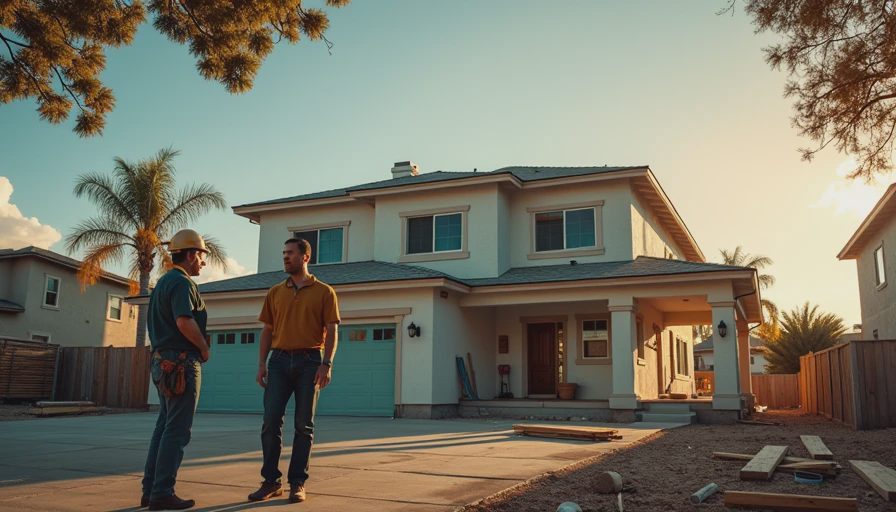
A company can have good reviews and still send an inexperienced crew to your house. Ask who will supervise the job, how many workers will be there, and whether subcontractors are involved. A two-person crew can strip and re-side an average ranch in roughly three days, but weather, trim damage, and sheathing repairs can add time.
Look at a contractor’s recent work in person if possible. Don’t just inspect the front elevation. Walk to the sidewalls and rear corners. Check whether fascia joints are tight, siding courses are straight, and window trim is even. On a deck, look underneath at post connections and ledger flashing. Small details show you how the crew works when nobody is posing for a marketing photo.
Verify that the contractor carries general liability coverage and workers’ compensation coverage where required. These protections do not guarantee craftsmanship, but they reduce the risk of being stuck with a claim after an injury or property mistake. Contractor advice is no substitute for local licensing rules, so confirm requirements with your city or state before signing.
A Simple Pre-Start Checklist
Before work begins, walk the property with the project manager. Photograph existing cracks, landscaping, outdoor furniture, meters, and screens. Decide where materials will be stacked and where the dumpster or trailer will sit. Move fragile items yourself rather than assuming the crew will find every garden light.
Put the scope in writing. Include the product line, color, thickness or grade where relevant, trim profile, flashing details, cleanup standard, and who handles permits. If you approve a change, write down the cost and schedule impact before the work continues. Verbal promises disappear quickly when a job gets busy.
Do not let a contractor rush you because a discount “expires tonight.” Materials and labor have real costs, but a legitimate exterior project can survive one night of thought. Compare the scope, ask direct questions, and choose the crew that explains the boring details clearly.
That’s the contractor advice I wish every homeowner heard before climbing onto a sales call: the cheapest bid is not always cheap, and the biggest project is not always the right one. Find the water path, understand the scope, and pay for the repair that solves the actual problem. Stay warm. Stay dry. — Dean





No notes on this sheet yet.