Cabinetry built in can turn a dead corner, messy mudroom, or unfinished garage wall into useful storage. The phrase sounds simple, but the details matter. In a cold-climate house, wet boots, road salt, snow-covered coats, and big temperature swings are hard on cheap materials. I have seen attractive storage fail because it was set directly on a damp basement floor or because the installer treated a crooked wall like it was perfectly straight. The cabinet boxes were not the real problem. Planning was.
Where Built-In Cabinetry Earns Its Keep
The best location is usually somewhere that already collects clutter. A mudroom near the back door can hold coats, boots, backpacks, cleaning supplies, and the small things that otherwise land on the kitchen counter. A garage wall can take lawn equipment, paint cans, hand tools, and seasonal gear. In an entry, a shallow cabinet with hooks above a bench can keep shoes from spreading across the floor.
Cabinetry built in is most valuable when it uses space that freestanding furniture cannot. A cabinet that runs from floor to ceiling may add only 12 to 18 inches of depth, but it can provide several shelves and a dedicated spot for every household member. In a narrow hallway, that difference matters. I would rather see a well-planned 10-foot run of 12-inch-deep storage than a bulky wardrobe that blocks the walking path.
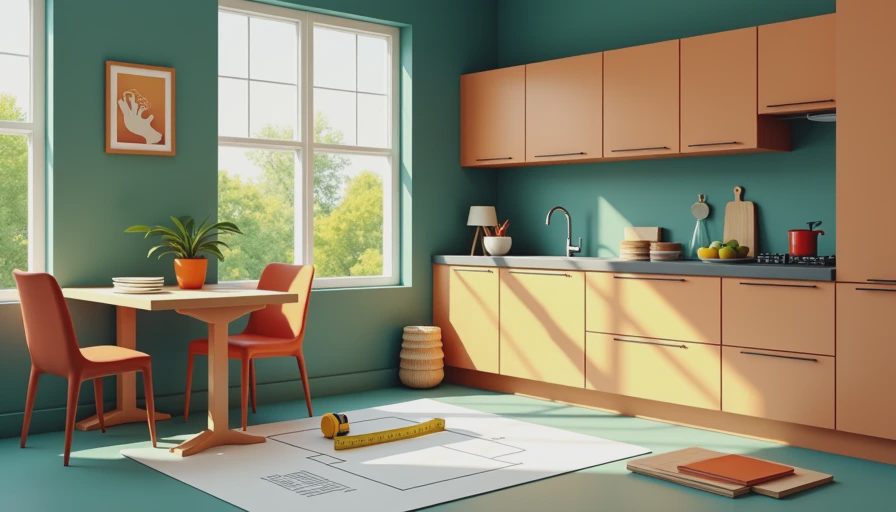
Measure the traffic pattern before ordering anything. Open doors and drawers need room, and a bench should not force people to turn sideways to pass. Mark the proposed footprint on the floor with painter's tape for a week. If someone keeps kicking the tape or the door swing hits a cabinet, fix the layout on paper instead of after installation.
Choosing Materials That Can Handle Real Life
For a dry interior mudroom, painted maple plywood boxes with hardwood or medium-density fiberboard doors can make a solid system. Plywood holds screws well and stays stable. MDF paints smoothly, but it should not sit where water can reach its edges. For a garage or basement entry, I prefer plywood boxes, durable laminate, or powder-coated metal for areas exposed to damp gear.
Cabinetry built in near an exterior door needs a raised base. Use a sealed toe-kick platform or adjustable legs rather than placing a wood box on concrete. The floor may look dry today, but melting snow and a small plumbing leak can soak the bottom edge. A six-inch raised base is not excessive in a working mudroom. Seal cut edges, especially around sink plumbing, floor drains, and boot trays.
Avoid putting a standard kitchen cabinet in an unheated garage without asking whether its materials and hardware can tolerate the space. Freezing temperatures can affect finishes, adhesives, and drawer slides. Garage storage also sees more abuse. A plywood utility cabinet with simple doors may outlast an expensive painted cabinet with delicate decorative trim.
For doors, hinges and slides deserve as much attention as the finish. Full-extension drawer slides are useful for deep storage, while soft-close hinges are convenient but not magic. Ask for hardware rated for the expected load. A drawer holding winter boots and tools needs more support than one holding scarves.
Planning Around Moisture and Cold
Cold-weather homes have two common problems: water carried inside and movement caused by seasonal changes. A boot tray should be removable so the floor beneath can dry. Leave a small service gap around pipes, outlets, and forced-air vents. Do not cover a foundation wall that shows active dampness. Cabinets can hide staining while the moisture continues damaging the wall behind them.
Cabinetry built in against an exterior wall should not interfere with insulation or air sealing. If the wall is cold, check for drafts before closing it off. In a basement, a cabinet installed tight against a masonry wall can trap condensation. A narrow gap, a sealed back panel, or a properly detailed furring wall can prevent that problem. The right approach depends on the wall assembly, so this is one place where a qualified contractor is worth the fee.
I once looked at a basement storage wall where the homeowner blamed the cabinet for a musty smell. The cabinet was fine. The foundation had a small crack and the previous owner had painted over it. The lesson is plain: storage is not a moisture repair. Fix leaks, grading, gutters, and foundation drainage first.

What Cabinetry Built In Usually Costs
A basic mudroom bench with hooks, two drawer units, and upper cabinets often lands around $2,500 to $6,000 installed, depending on size and finish. A larger custom wall with tall pantry-style sections, drawers, trim, and lighting can run $7,000 to $15,000. Garage cabinetry commonly costs $2,000 to $8,000 for a useful wall, with heavy-duty metal systems at the higher end.
Stock cabinets are the lowest-cost route, often saving 30% to 50% compared with fully custom work. They work well when the wall is straight and standard widths fit the room. Semi-custom cabinets make sense when you need a different depth, paint color, or drawer arrangement. Fully custom work earns its price when the room has sloped ceilings, awkward corners, plumbing obstacles, or a very specific storage need.
Get the estimate separated into cabinet boxes, doors, hardware, installation, electrical work, wall repair, and painting. That makes it easier to compare bids. A quote that looks $2,000 cheaper may simply leave out trim, delivery, filler panels, or finish work.
How to Vet the Installer
Cabinetry built in is finish carpentry, not just delivery and assembly. Ask to see photos of completed work, including the inside of cabinets and the joints around walls. Look for even reveals, straight drawer lines, tight scribe cuts, and clean transitions at the floor. A good installer will measure twice after the walls are opened and will explain how the system attaches to studs.
Ask who handles electrical changes if the plan includes lights, charging outlets, or a freezer. Cabinet installers should not casually move wiring or cover an outlet. Confirm that the proposal includes wall protection, dust control, cleanup, and touch-up paint. For a mudroom, ask how the installer will protect the floor from wet boots and salt.
Payment terms matter, too. A modest deposit is normal for custom materials. Be cautious about paying the entire balance before the cabinets arrive and the punch list is complete. Walk through every door, drawer, hinge, and outlet before signing off.
A Layout That Will Still Work in Five Years
Design for the people who live there now, but leave some flexibility. Children need low hooks and reachable drawers; adults need taller hanging space. Include one open shelf for changing needs instead of filling every inch with fixed compartments. Put frequently used items between waist and shoulder height. Reserve high cabinets for holiday decorations, spare bedding, or other things accessed a few times a year.
Cabinetry built in should also leave access to shutoff valves, cleanouts, furnace panels, and electrical equipment. A beautiful cabinet that must be demolished to reach a water valve is poor planning. Use removable panels where necessary and label hidden access points with a small diagram inside the nearest door.
My own rule is to spend first on the layout, box construction, and installation. Fancy pulls can be replaced. A badly placed cabinet cannot. When the storage fits the room, handles wet gear, and stays accessible for repairs, it earns its keep every day.
I've been on that roof. Let me save you the trip: solve moisture problems first, tape out the layout, and get a detailed bid before ordering cabinetry built in. Stay warm. Stay dry. — Dean




No notes on this sheet yet.