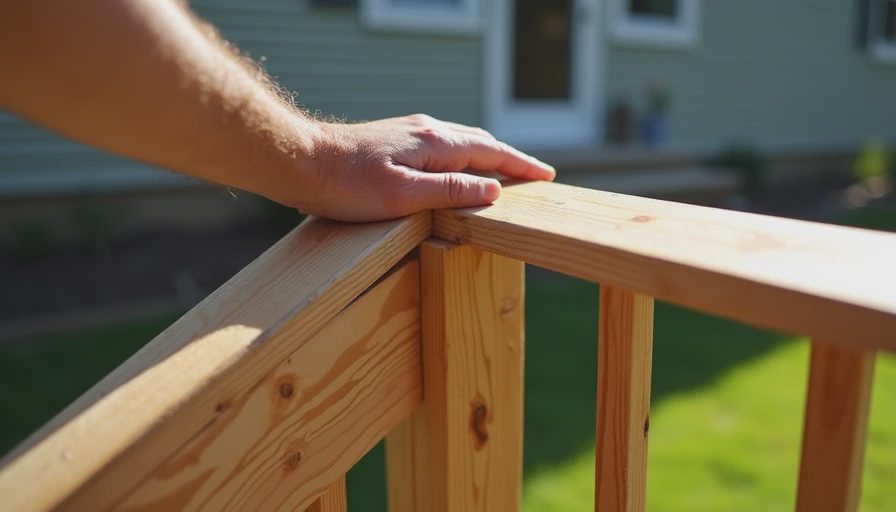
That Wobbly Railing That Keeps You Up at Night
You lean on your deck railing, and it gives more than it should. Or the kids are playing and you hear that unsettling flex. It’s one of the most common deck problems I see — and one of the most dangerous if ignored.
After repairing and rebuilding dozens of decks, I’ve learned the main reasons railings go loose and exactly how to fix them without tearing everything apart.
I've been on that roof — and that deck. Let me save you the trip.
Why Deck Railings Get Loose
The most common causes I find on jobs:
Lag screws or bolts loosening over time due to wood movement
Poor initial construction (undersized posts or inadequate blocking)
Rot at post bases or connection points
Freeze-thaw cycles in cold climates working connections loose
Missing blocking between joists
The good news? Most of these can be fixed in a weekend without a full rebuild.
Weekend Railing Repair Project
Tools and Materials You’ll Need
Pressure-treated 2x4s or 2x6s for blocking
Galvanized carriage bolts, lag screws, and structural screws
Construction adhesive rated for exterior use
Drill, impact driver, level, and socket set
Caulk and exterior sealant
Step-by-Step Fix
Step 1: Inspect and Diagnose
Push and pull on every section. Note where the movement is worst. Check post bases for rot. Look for cracked or missing flashing.
Step 2: Add Blocking
This is the single most effective fix. Install solid blocking between joists where railing posts attach. Cut pressure-treated lumber to fit tightly and secure with construction adhesive plus screws.
Step 3: Reinforce Post Connections
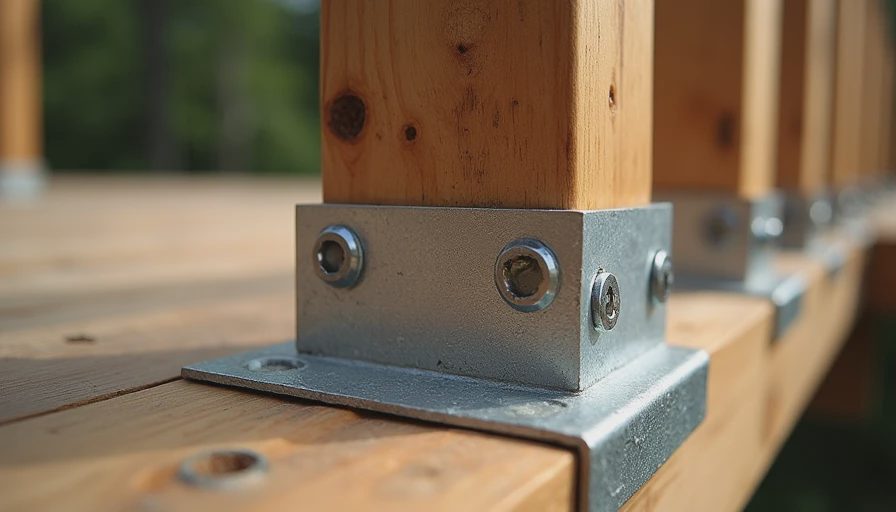
Replace old lag screws with longer, larger carriage bolts through the rim joist.
Add Simpson Strong-Tie or similar structural connectors.
Use blocking behind the rim joist for extra support.
Step 4: Tighten and Seal Everything
Go through and tighten all connections. Seal any new penetrations with quality exterior caulk to prevent water intrusion.
Step 5: Final Check
The railing should feel rock-solid. No noticeable wiggle even when you push hard.
I’ve used this method on many customer decks with excellent long-term results.
When You Should Replace Instead of Repair
Sometimes fixing isn’t enough:
Significant rot in posts or rim joist
Multiple failing connections across the deck
Code violations (height, spacing, etc.)
You want to upgrade to a different railing style
In those cases, a full railing replacement during a deck refresh is smarter.
My Own Deck Story
When I built my deck seven years ago, I thought my railings were solid. A few years later I noticed some wiggle. I added blocking and through-bolts exactly as described above. Problem solved. The railings have stayed rock-solid ever since.
Safety First
Building code exists for a reason. Railings should be at least 36" high and able to withstand significant force. If you’re not confident in your repair, hire a professional. A failed railing can cause serious injury.
Prevention for New or Refreshed Decks
Use through-bolts instead of lag screws where possible
Add plenty of blocking during construction
Flash post bases properly
Check connections every spring
Final Thoughts
A wobbly deck railing isn’t just annoying — it’s a safety issue. Most can be fixed solidly over a single weekend with basic tools and materials. Take the time to do it right and you’ll enjoy a much safer, sturdier deck for years to come.
Your family (and future homebuyers) will thank you.
Stay warm. Stay dry.
— Dean




No notes on this sheet yet.