
The Expensive Reality of Drafty Doors
Every winter I get calls from homeowners whose energy bills are through the roof. Many times the culprit isn’t the windows or attic — it’s the front door. A poorly sealed entry door can leak as much air as several windows combined.
After replacing hundreds of entry doors over 14 years, I developed a dead-simple test that tells you quickly whether your door is still doing its job or if it’s time to upgrade.
I've been on that roof — and standing at that front door. Let me save you the trip.
The Five-Minute Draft Test
You’ll need:
A lit incense stick, thin tissue, or single strand of dry hair
A cold windy day (ideally below freezing)
Step-by-step:
Close the door completely and lock it.
Hold the incense/tissue/hair along the edges — top, sides, and especially the bottom.
Move slowly around the entire perimeter, paying extra attention to corners and the threshold.
Watch for flickering, blowing, or smoke being pulled through.
If the smoke or tissue moves significantly, you have air leakage. The stronger the movement, the worse the leak.
I’ve done this test with homeowners and watched their eyes widen when they see how much cold air is sneaking in around a door they thought was “probably fine.”

What the Results Usually Mean
Minimal movement — Your door is in good shape. Keep up with weatherstripping maintenance.
Moderate movement — You can probably improve it with new weatherstripping, a better door sweep, and caulk. Try that first before replacing.
Strong drafts — Especially at the bottom or corners — it’s likely time to consider replacement. The door itself may be warped, the frame may have shifted, or the seals have completely failed.
Other Signs Your Front Door Needs Replacing
Visible gaps when closed
Difficulty latching or closing smoothly
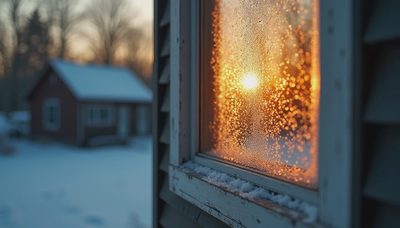
Frost or condensation on the inside during cold weather
Increased noise from outside
Higher than normal energy bills in winter
Rust (on steel doors) or rot (on wood doors)
The door feels cold to the touch even when closed
Steel vs Fiberglass Revisited for Doors
From my experience hanging both:
Steel doors often develop issues faster in cold climates — dents, rust, and seal failures.
Fiberglass doors tend to stay straighter and maintain better seals over time.
If you’re replacing, I generally lean toward quality fiberglass for most Minnesota homes unless budget is very tight.
Proper Installation Makes All the Difference
Even the best door will leak if installed poorly. Key details I always insist on:
Proper flashing at the threshold (this is critical)
Good shimming and leveling
Quality weatherstripping and adjustable door sweep
Insulation in the door jambs
Sealing around the exterior trim
I’ve seen brand new doors leak because the crew skipped these steps. Don’t let that happen to you.
Cost vs Benefit Reality Check
Replacing a front door typically costs $1,200–$2,800 installed depending on material and features. When you factor in energy savings, improved comfort, better security, and curb appeal, it’s often one of the higher-ROI exterior projects.
Many homeowners are surprised how much warmer their entryway feels after a proper door replacement.
Quick Maintenance to Extend Door Life
Even if you’re not replacing yet:
Clean and lubricate hinges and locks twice a year
Check and replace weatherstripping as needed
Keep the threshold clear of debris and snow
Touch up paint or finish promptly
Consider adding a storm door for extra protection
My Recommendation
Do the five-minute draft test this week. If you discover significant leaks, start getting quotes. A well-installed new door is one of those upgrades you’ll appreciate every single day — especially when the wind is howling at -10°F.
Your wallet and your comfort will both thank you.
Stay warm. Stay dry.
— Dean




No notes on this sheet yet.